South Africa records more murders than dozens of developed countries combined
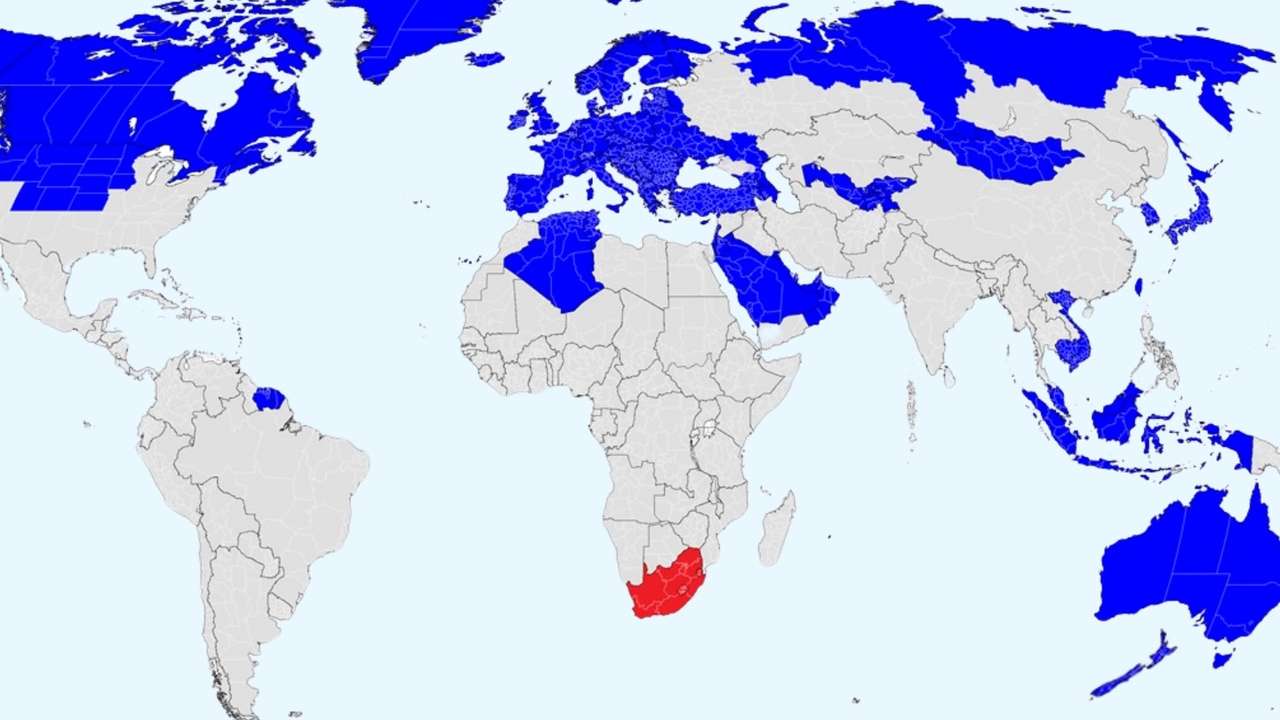
South Africa recorded 26,232 murders during the 2024/25 financial year, exceeding the combined total of homicides reported across dozens of countries in Europe, North America, East Asia and Oceania, according to the South African Police Service (SAPS) and the United Nations Office on Drugs and Crime (UNODC).
Key Points
- South Africa recorded more than 26,000 murders in 2024/25
- South Africa's murder total exceeded dozens of developed countries combined
- South Africa remains among the world's deadliest countries outside war zones
South Africa recorded 26,232 murders during the 2024/25 financial year, exceeding the combined total of homicides reported across dozens of countries in Europe, North America, East Asia and Oceania, according to the South African Police Service (SAPS) and the United Nations Office on Drugs and Crime (UNODC).
The comparison highlights the scale of South Africa's violent crime challenge. Countries shaded in blue on the accompanying map, including Canada, nearly all European countries, Japan, South Korea, Australia, New Zealand and several Gulf states, collectively recorded around 22,000 homicides in the latest available official data, compared with South Africa's more than 26,000.
According to SAPS crime statistics, South Africa averaged about 72 murders every day during the 2024/25 reporting period. The country's homicide rate stood at approximately 43 murders per 100,000 people, placing it among the highest in the world outside active war zones.
Police data show that the provinces of Gauteng, KwaZulu-Natal, the Eastern Cape and the Western Cape consistently account for the largest share of murders. Firearms remain the most common weapon used in homicides, while many killings are linked to organised crime, gang violence, interpersonal disputes, robberies and gender-based violence.
The UNODC has repeatedly identified Southern Africa as one of the regions with the world's highest intentional homicide rates. Unlike many high-income countries, where homicide rates are typically below 2 per 100,000 people, South Africa's rate is more than twenty times higher than those recorded in countries such as Japan, Norway, Switzerland and Singapore.
Crime analysts say the comparison reflects not only population differences but also significant disparities in homicide rates. While the countries highlighted in blue collectively have populations exceeding one billion people, many have experienced decades of declining violent crime through stronger policing, judicial systems, firearm regulation and social interventions.
The South African government has identified violent crime as a national priority. Authorities have expanded specialised police units, intensified operations against illegal firearms and organised crime syndicates, and increased investment in forensic services.
However, researchers argue that reducing homicide will also require tackling poverty, unemployment, substance abuse and inequality, which are widely recognised as drivers of violent crime.
This story is written and edited by the Global South World team, you can contact us here.