An exploration of pre-marital investigations across three African societies
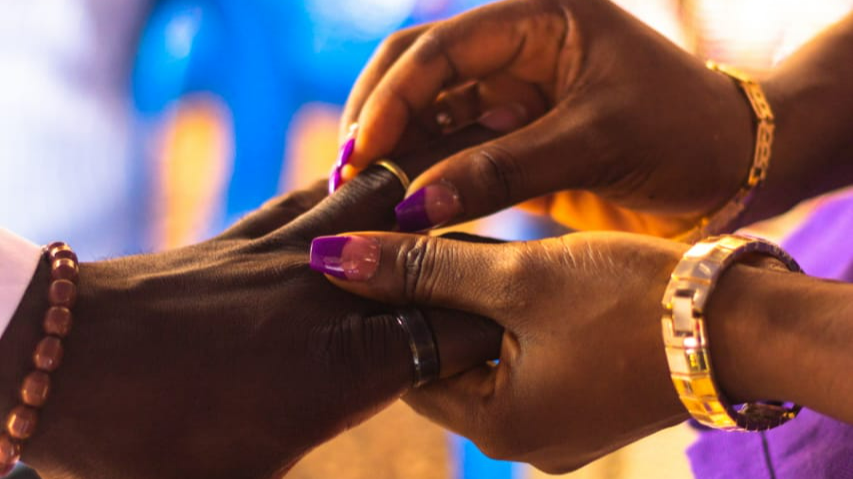
Before an African couple from the Asante, Yoruba, or Zulu societies unite in marriage, several activities occur behind the scenes.
Due to the diversity of culture, religious beliefs, and customs throughout African nations, marriage ceremonies are unique from one another.
However, pre-marital investigations are the first step in almost all of the marriage ceremonies that are practised in Africa. In this process, the family is frequently involved.
In the Asante tribe, the term 'Aware' (Marriage) signifies a long journey, emphasising the importance of a wise beginning. Marriage here is not just a union of two individuals, but a bond between families.
The parents play a crucial role in ensuring that the union benefits both their children and the family as a whole. This responsibility includes conducting thorough investigations into the other family before giving their consent for marriage.
The Asante tribe practices exogamous marriages, meaning individuals from the same clan, or 'Abusua', are not permitted to marry.
A man and woman from the Bretuo clan for instance cannot wed each other. The investigations also delve into the character and reputation of the prospective in-laws, ensuring they are peace-loving and friendly.
Families also look out for any severe hereditary diseases. The groom's industriousness and the bride's respectfulness and fidelity are also scrutinized before the families give their approval for marriage. Every step is taken to ensure that this long journey of 'Aware' starts on a solid foundation.
In the Yoruba society, the journey towards marital union is steeped in tradition and scrutiny. The families of the prospective couple play a pivotal role in this process, as their union forms an affinal relationship that extends beyond the couple themselves.
In their quest for a successful union, they adhere closely to their religious and traditional beliefs. The investigation encompasses a thorough examination of the family background, checking for any history of barrenness, hereditary diseases, or familial discord.
The ultimate goal is to ensure the security and stability of the impending marriage. Every stone is turned, every corner explored, to ensure that the foundation of the marriage is as solid as it can be.
The Zulu society equally holds marriage in high esteem. The process leading to marriage is executed with meticulous attention to detail.
The choice of spouse and the investigative period before marriage are central to this process. The focus is on understanding the background of both families as it is believed to provide significant insight into the individual joining the family.
Investigations delve into various aspects such as the behaviour and character of family members, any criminal records within families, issues related to fertility, and hereditary diseases. In some cases, even work ethic within families is evaluated.
These practices across these African societies give a preview into what an African marriage looks like. Every facet of a family's background is scrutinized, demonstrating the delicate care with which some African marriages are contracted.