2025 RECAP: Landmark wins for gender-based violence activism across the Global South
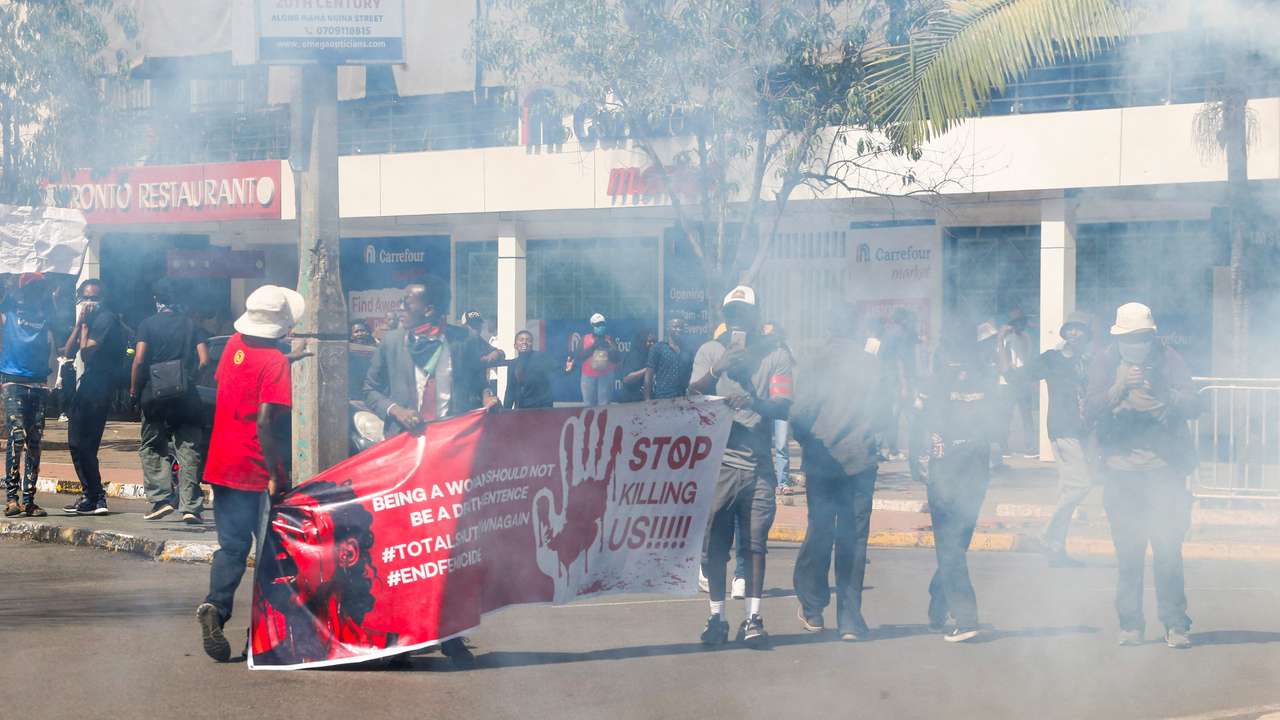
Gender-based violence (GBV) refers to harmful acts directed at individuals based on their gender and encompasses a wide range of abuses: physical, sexual, psychological, and economic.
While gender-based violence can affect anyone, it disproportionately impacts women and girls and remains a pervasive human rights violation with far-reaching social, economic, and public health consequences.
Despite persistent and systemic challenges, 2025 has delivered meaningful victories in the fight against gender-based violence (GBV) across the Global South.
Landmark legal reforms, policy shifts, regional coordination, and grassroots wins have shown that sustained advocacy and political pressure continue to yield results.
South Africa
Gender-based Violence elevated to a national emergency
In November 2025, South Africa reached a critical policy milestone when the government formally declared gender-based violence a national disaster.
The immediate catalyst was mass mobilisation in the lead-up to the G20. Women For Change coordinated a nationwide “Women’s Shutdown,” including silent lie-down protests, deliberately timed to coincide with heightened international attention.
The action amplified domestic demands while placing South Africa’s GBV crisis squarely under global scrutiny, increasing political pressure on the state to respond decisively.
This declaration means gender-based violence issues are formally recognised as a cross-government priority. Greater public accountability for the implementation of the National Strategic Plan on GBV and Femicide, which says governments and society that respond to GBV issues have strengthened accountability and bold leadership.
Over one in three women in South Africa have experienced physical violence at some point in their lives, while nearly one in ten have been subjected to sexual violence, figures that translate into millions of women navigating daily life under the persistent threat of harm within their homes and communities.
Brazil:
Strengthened Legal Protections for Survivors
Brazil’s president, Luiz Inácio Lula da Silva, has signed a new law aimed at strengthening protections for women facing gender-based violence, a response to public anger over record levels of violence and a series of high-profile cases that sparked demonstrations across the country.
The law enhances judicial powers to protect victims by allowing judges to suspend or restrict an alleged abuser’s access to firearms, remove them from the victim’s home and impose no-contact orders. It also requires offenders subject to protective measures to wear ankle monitors, with associated technology to notify victims if the offender approaches.
In addition, the legislation increases maximum sentences for the rape of children under 14 and substantially raises penalties where a child is raped and killed.
Feminist activists have welcomed the measures as positive but have emphasised the need for greater funding for prevention, support services, and broader systemic and cultural change to reduce violence.
Kenya
Historic State Compensation for Survivors of Sexual Violence
In 2025, Kenya marked a historic breakthrough for gender-based violence accountability by issuing its first-ever state compensation to survivors of conflict-related sexual violence linked to the 2007–2008 post-election crisis.
Following a landmark High Court ruling, the government paid a compensation of 16 million Kenyan shillings (approx. USD $124,000) to survivors who had waited more than a decade for recognition and redress, signalling an important, if overdue, acknowledgement of state responsibility.
While the payments covered only part of what survivors are owed and excluded those harmed by non-state actors, the move set a powerful precedent: sexual violence in times of political crisis is a matter of state accountability, not private suffering.
Civil society organisations framed the moment as a partial but critical victory, renewing calls for a comprehensive national reparations framework, full implementation of victim protection laws, and broader compensation for survivors across regions and periods.
India
Expanded survivor support and digital safety measures
In 2025, India strengthened its institutional response to gender-based violence through the nationwide expansion of One-Stop Centres under the Mission Shakti framework. With more than 800 centres now operational across states and union territories, survivors of violence can access medical care, legal aid, psychosocial counselling, police support and temporary shelter through a single, coordinated entry point.
The scale-up reflects sustained advocacy for survivor-centred services that reduce fragmentation and barriers to justice. Fully funded by the central government and implemented at the state level, the centres also benefit from targeted capacity-building for frontline staff to improve case management and survivor care.
While gaps in access and quality remain, the expansion represents a significant structural win for GBV activism, embedding survivor support more firmly within public service delivery across the Global South.
This story is written and edited by the Global South World team, you can contact us here.