A transition concluded or rebranded: Can Guinea’s election deliver a genuine democratic transition?
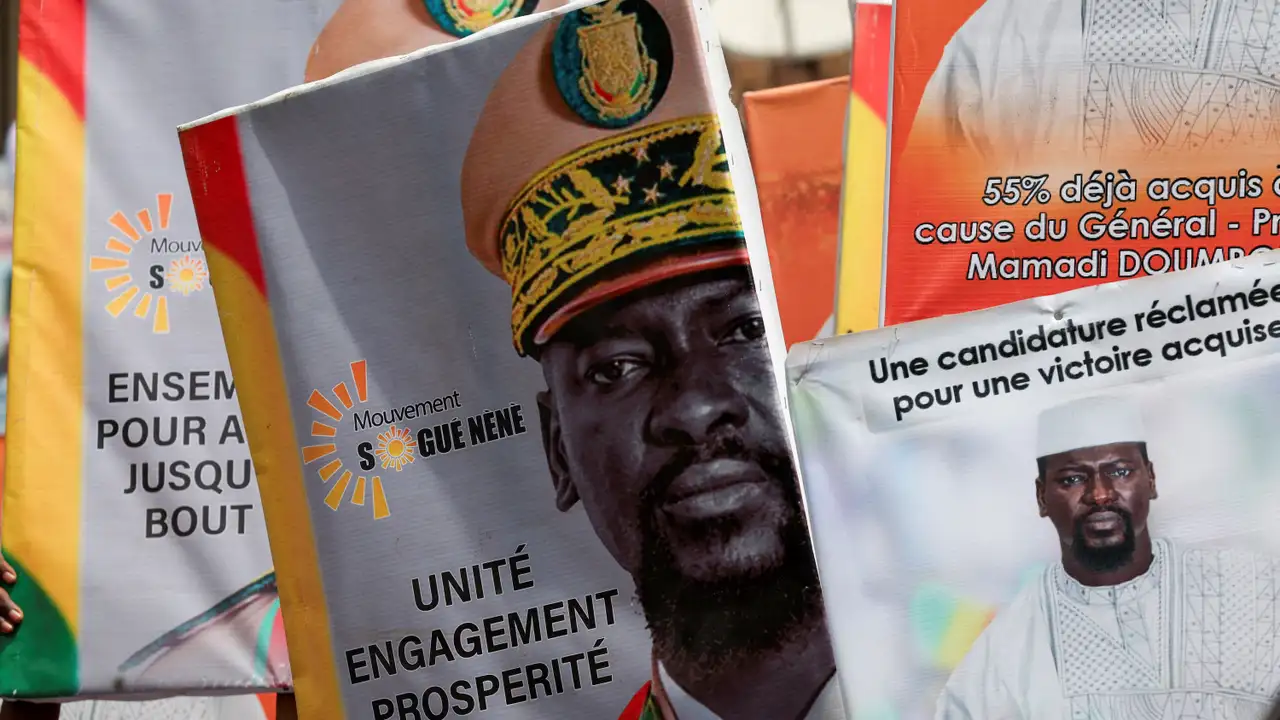
When Guineans go to the polls on December 28, the vote will mark four years since soldiers toppled the country’s civilian government and promised a reset for a fragile democracy.
The election is being framed by authorities as the final step in a transition back to constitutional order. Critics say it risks formalising military rule through the ballot box.
In September 2021, elite forces led by General Mamady Doumbouya stormed the presidential palace and removed President Alpha Condé, ending a turbulent period marked by protests, a disputed third term, and deadly crackdowns.
Standing before cameras, Doumbouya vowed to restore democracy, fight corruption, and organise credible elections. He also pledged that neither he nor other junta members would seek elected office.
That promise no longer stands.
A constitution that changed the rules
The turning point came with a constitutional referendum held in September this year. Approved by an overwhelming majority in a vote boycotted by much of the opposition, the new constitution introduced sweeping changes. It extended presidential terms from five to seven years, created a new senate with a third of its members appointed by the president, and, crucially, removed barriers preventing military leaders from running for office.
For the ruling authorities, the referendum was a legal reset, a way to close the chapter on military transition and reopen the political system under new rules. For opponents, it was a carefully managed process that rewrote the rules mid‑game and paved the way for Doumbouya to convert de facto power into electoral legitimacy.
From junta leader to candidate
Doumbouya now appears on the ballot not as a transitional figure, but as a civilian candidate. His campaign messaging leans heavily on stability, infrastructure gains, and economic promise, particularly around mining and large-scale projects such as the Simandou iron ore development.
Supporters argue that the election represents progress: a coup leader submitting himself to the will of voters rather than ruling indefinitely by decree. They point to roads built, schools renovated, hospitals opened, and long‑delayed mining exports finally leaving Guinea’s ports.
Opponents counter that the transition has been tightly controlled. Public demonstrations have been banned for much of the past three years. Independent media outlets face restrictions. Social media platforms were temporarily blocked ahead of the vote. Several prominent opposition figures were disqualified on legal and residency grounds, leaving the race without its strongest challengers.
The question of legitimacy
At the heart of the election lies a deeper question: does legality equal legitimacy?
Guinea’s history weighs heavily on the moment. Since independence from France in 1958, the country has experienced repeated coups, authoritarian rule, and aborted democratic experiments. It was only in 2010 that Guineans voted in elections widely considered free and fair. The 2021 coup interrupted that trajectory.
For many voters, the issue is not simply who wins, but whether the process allows for genuine choice. An election conducted under a new constitution, with high turnout but limited competition, raises concerns that democracy may exist more on paper than in practice.
A transition concluded or rebranded?
If Doumbouya wins as expected, Guinea will formally return to civilian rule, but under leadership forged in a military takeover and reinforced by constitutional change. Supporters will hail the outcome as the completion of a transition. Critics will describe it as a rebranding exercise that entrenches power rather than disperses it.
For Guineans, the election represents a choice shaped as much by what came before as by what lies ahead. The journey from coup to constitution may be nearing its institutional conclusion, but the broader test, whether democratic norms, accountability, and political freedoms truly take root, will extend well beyond election day.
This story is written and edited by the Global South World team, you can contact us here.