Africa’s homosexuality laws: A continent divided, markets watching closely
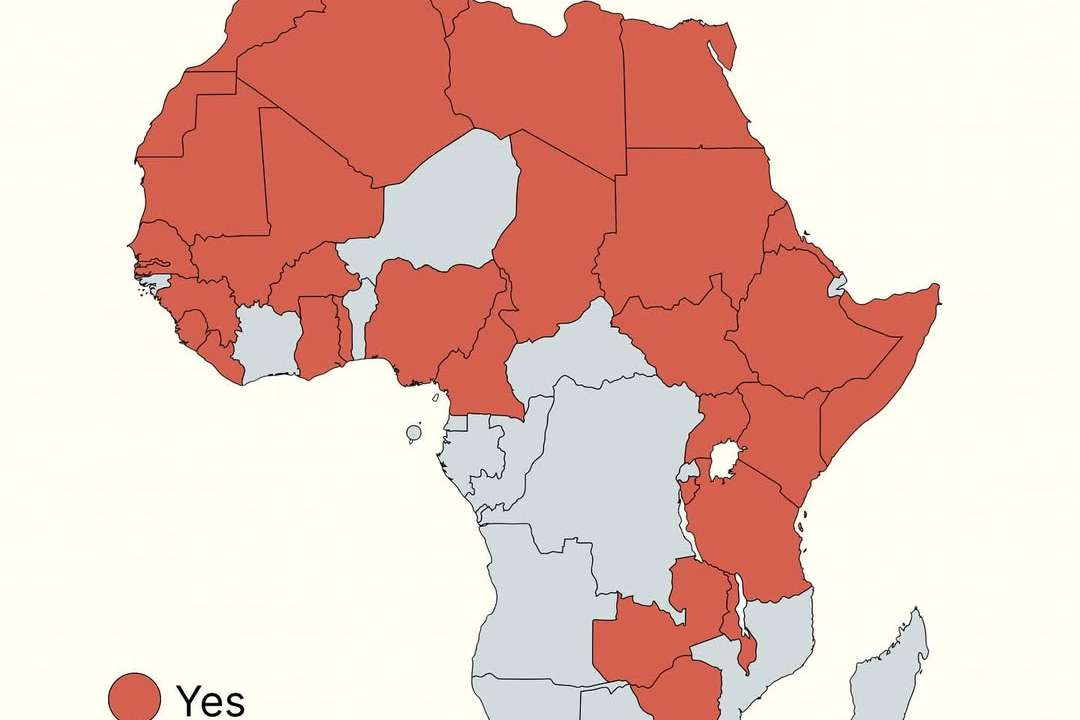
Across much of Africa, same-sex relationships remain illegal, a fact that continues to shape not just social and political life, but also global perceptions, foreign investment, and human rights debates.
A recent map published by The World in Maps reveals that more than half of Africa’s 54 nations still criminalise homosexuality, despite growing global recognition of LGBTQ+ rights.
According to the European Parliamentary Research Service, 31 African countries maintain laws that make consensual same-sex relations a criminal offence, ranging from fines and prison sentences to, in rare cases, harsher penalties. ILGA World, a global LGBTQ+ advocacy group, reports similar numbers, with 33 countries enforcing some form of criminalisation as of 2023.
The legal picture is far from static. In September 2025, Burkina Faso passed legislation banning the “promotion of homosexuality,” introducing prison terms of two to five years and significant fines. Similarly, Mali’s new penal code, adopted in December 2024, explicitly criminalised same-sex acts and any advocacy for LGBTQ+ rights.
Yet there are countercurrents. In mid-2024, Namibia’s High Court struck down colonial-era laws banning same-sex relationships, calling them unconstitutional and signalling a potential shift toward greater recognition of LGBTQ+ rights in parts of Southern Africa.
These laws are not just a domestic issue. They shape global perceptions of African markets and influence foreign aid, investment decisions, and diplomatic ties. International donors and human rights organisations frequently condemn anti-LBGTQ legislation, sometimes conditioning aid or trade agreements on human rights compliance.
Multinational corporations, too, are paying closer attention. As ESG (Environmental, Social, and Governance) criteria become a cornerstone of global investing, countries perceived as repressive risk being excluded from certain capital flows.
Analysts warn that such laws may also deepen public health crises by discouraging vulnerable groups from seeking care, with economic consequences that ripple across labour markets and national productivity.
Recent developments have put Africa’s legal stance on LGBTQ+ rights back into the global conversation just as investors weigh risk amid geopolitical uncertainty. Experts argue that legal crackdowns, whether in Burkina Faso or Ghana, where a controversial “Human Sexual Rights and Family Values Bill” is under debate, could raise reputational and political risk premiums for investors.
This story is written and edited by the Global South World team, you can contact us here.