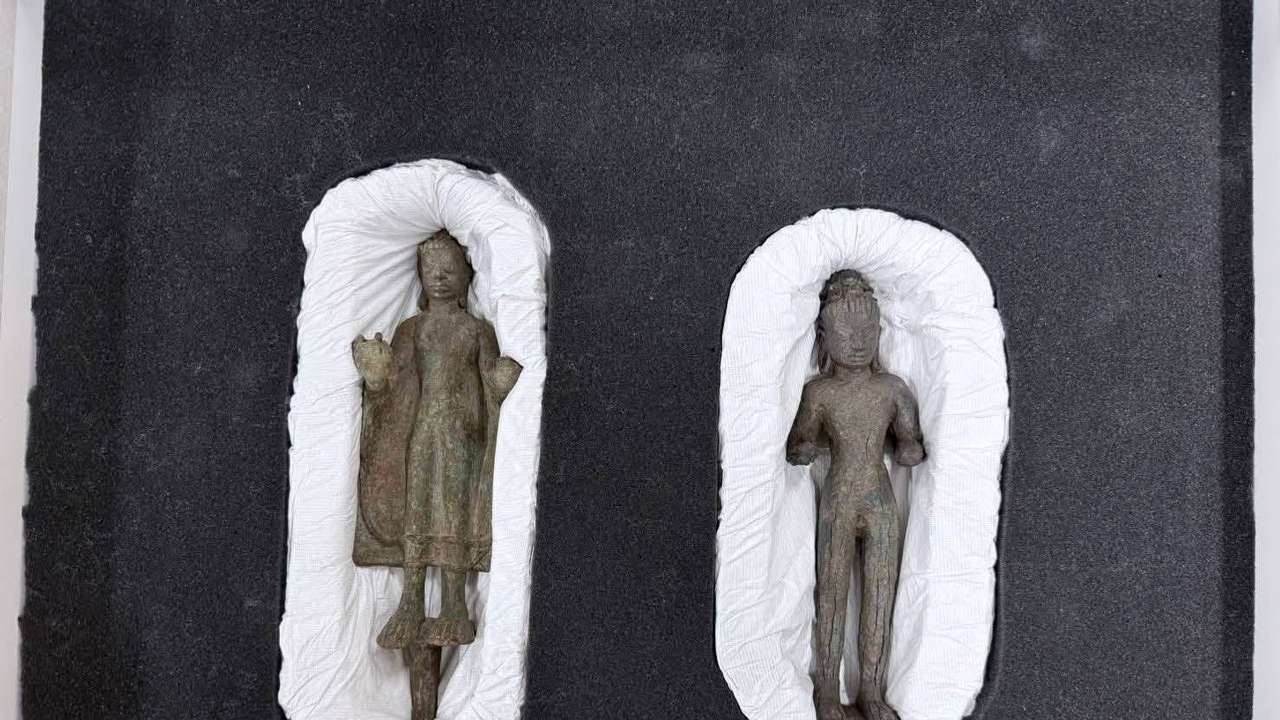
The repatriation was completed this month after San Francisco’s Asian Art Museum agreed to return the objects, acknowledging their illicit removal from archaeological sites in northeastern Thailand.
The sculptures, collectively known as the Prasat Phokhon Chai group, date back more than 1,200 years and are among the earliest surviving bronze religious works from the region. They include three Bodhisattva figures and a Buddha image, all traced to sites in what is now Buriram province.
For decades, the statues circulated abroad with incomplete or misleading provenance. Thai authorities have long argued that the works were removed illegally during a period when site protection and export controls were weak or poorly enforced.
Momentum toward their return gathered earlier this year after investigators from US Homeland Security confirmed the objects’ origins and advised the museum that they could not be lawfully retained under current standards governing cultural property.
Following internal review, the museum’s board voted to relinquish the sculptures, clearing the way for their transfer back to Thailand.
A formal handover ceremony was held in San Francisco in early December, attended by Thai diplomats and senior museum officials.
Thailand’s Ministry of Culture said the bronzes had been on the country’s official recovery list since 2018, after scholars and investigators linked them conclusively to temple ruins in Buriram’s Phokhon Chai area.
Thai officials described the repatriation as the result of sustained documentation, cross-border cooperation and growing international recognition of source countries’ ownership rights.
The four sculptures are expected to arrive in Thailand before the end of the month, where they will be placed under the care of the Fine Arts Department and prepared for eventual public display.
The case adds to a growing number of restitutions involving Asian antiquities, as governments and museums confront the legacy of decades of unregulated excavation, smuggling and collecting.