After Malaysia, is the Philippines next Southeast Asian country to ban vapes?
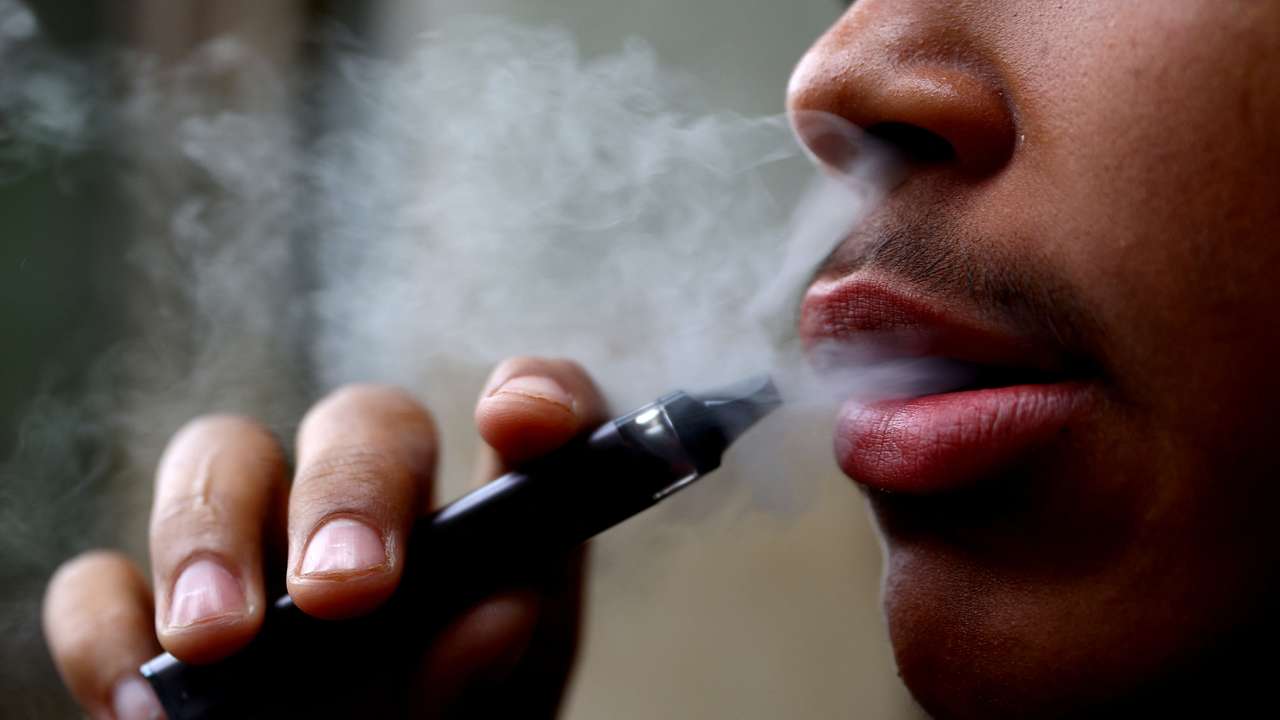
The Philippines is weighing a tougher stance on vaping after the Department of Health (DOH) raised the possibility of a nationwide ban, citing “deceptive” marketing and rising youth use.
Health Secretary Teodoro Herbosa said e-cigarettes were now widespread among high school students, driven by flavoured products and cartoon-style packaging. Some firms even go as far as promoting vaping as “less harmful” than smoking, he said.
The DOH reiterated that vapes pose serious risks — including cardiovascular disease, cancer and severe lung injuries — and noted that the country recorded its first EVALI-linked death last year.
Herbosa said authorities must tighten enforcement of existing laws but suggested a total ban may be simpler.
The concern mirrors global trends. The World Health Organization (WHO) has warned that e-cigarettes are driving an “alarming” surge in nicotine addiction among children, with young people far more likely to vape than adults.
WHO estimates more than 100 million people worldwide now use e-cigarettes, including at least 15 million adolescents.
Neighbouring Malaysia is moving ahead with a phased vape ban, starting with refillable devices and eventually covering all models — a plan that will go before the Cabinet for final approval.
Several Malaysian states already enforce local bans, despite legal complexities stemming from the country’s 2024 vape regulation law. If fully implemented, Malaysia would join Brunei, Thailand and Singapore in outlawing vaping.
In the Philippines, regulators are tightening rules even without a full ban.
The Department of Trade and Industry (DTI) has released a draft order requiring mandatory permits for all vape promotions and advertisements, along with strict age-gating for online content and proof that stores are not near schools or playgrounds. Public comments are open until December 15.
With the DOH signalling openness to prohibition and the DTI moving to curb marketing, the Philippines appears increasingly aligned with regional efforts to rein in vaping — raising the question of whether a ban may soon follow.
This story is written and edited by the Global South World team, you can contact us here.