Armed-gang attacks in central Haiti trigger mass displacement and fear
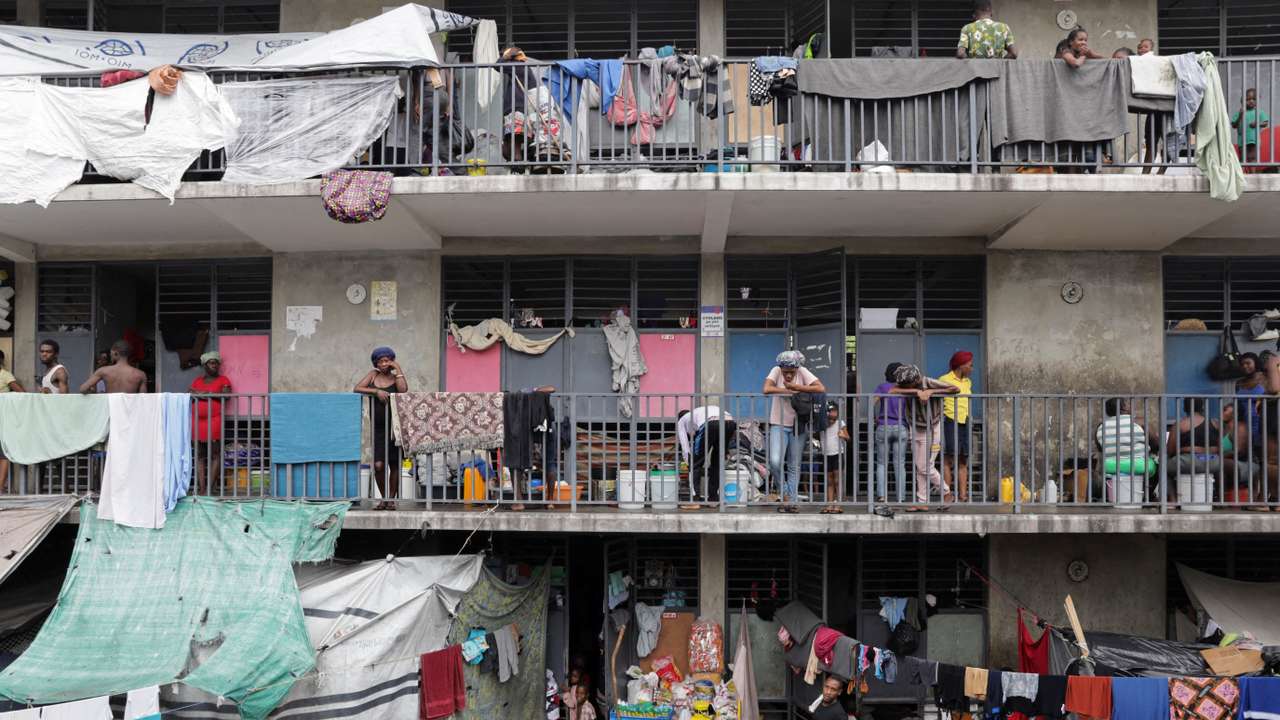
This weekend, heavily armed gangs struck towns across central Haiti, including Bercy and Pont-Sondé in the Artibonite region, killing civilians, setting fire to homes and forcing hundreds to flee.
Officials from the union SPNH-17 warned that roughly half of Artibonite is now effectively under gang control.
Survivors described desperate scenes: families escaping at night, many forced to abandon their homes with nothing but what they carried. Coastal towns like Saint‑Marc have seen a flood of displaced people, anger rising as residents demand protection from a government many say has failed to act.
The violence continues a trend of escalating gang power across Haiti. According to recent UN-linked reports, gang violence killed more people in 2024 than in previous years, while armed groups now dominate key regions, including the capital and central territories. The attacks over the weekend underscore how fragile state control has become and how vulnerable civilians are where armed groups operate freely.
Humanitarian organisations warn that the impact goes beyond deaths and displacement: huge numbers face food insecurity, lack of shelter, disrupted access to healthcare and education, and psychological trauma from repeated violence. For many families, survival has turned into a daily struggle, with uncertainty over whether they’ll ever return home or even remain safe while fleeing.
As Haiti’s government and international actors assess next steps, this crisis highlights the urgent need for sustained humanitarian and security responses. Without a coordinated strategy to curb gang power and protect civilians, regions like Artibonite risk sinking deeper into chaos, and thousands more could be forced to abandon everything they know.
This story is written and edited by the Global South World team, you can contact us here.