Berlin needs to brace for shifting, unreliable alliances, says minister
- #Asia
- #Pacific
- #Auto
- #Baltic States
- #Central
- #Eastern Europe
- #CIS Countries
- #Conflicts
- #War
- #Peace
- #Defense
- #Military Procurement
- #Diplomacy
- #Foreign Policy
- #East European Countries
- #Europe
- #Middle East and Africa
- #Emerging Market Countries
- #European Union
- #Euro Zone
- #Workforce
- #North Asia
- #government
- #Politics
- #Civil Unrest
- #Western Europe
- #Asia
- #Pacific
- #Auto
- #Baltic States
- #Central
- #Eastern Europe
- #CIS Countries
- #Conflicts
- #War
- #Peace
- #Defense
- #Military Procurement
- #Diplomacy
- #Foreign Policy
- #East European Countries
- #Europe
- #Middle East and Africa
- #Emerging Market Countries
- #European Union
- #Euro Zone
- #Workforce
- #North Asia
- #government
- #Politics
- #Civil Unrest
- #Western Europe
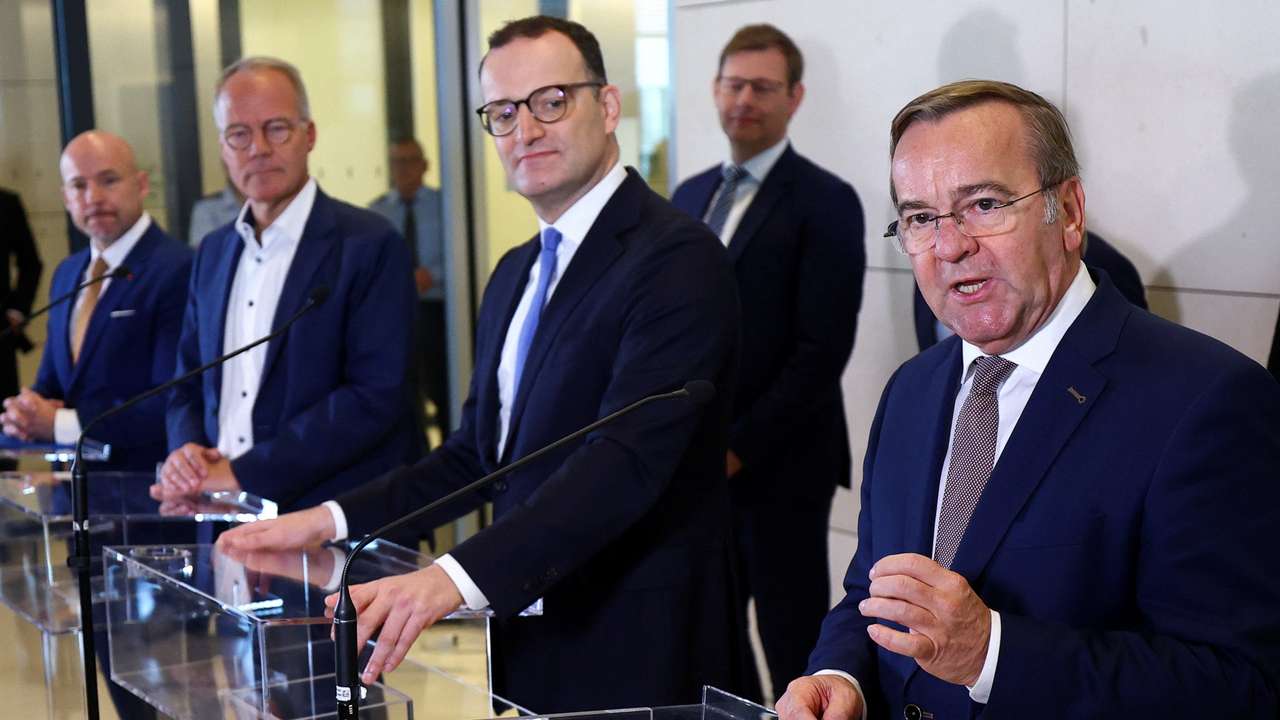
Germany must redefine its geopolitical role to adapt to a situation in which it is unclear what alliances can be relied on and will persist in future, Defence Minister Boris Pistorius said on Wednesday, commenting on shifting U.S. positions.
Speaking to lawmakers in parliament, Pistorius said the latest negotiations over an end to the war in Ukraine had demonstrated the changing global power structures.
"The geopolitical chessboard is changing rapidly, its patterns, its arrangement. Alliances are shifting faster than would have been conceivable before," he said.
"For us ... as Germans in the European Union and in NATO, this means that we must redefine our position on this geopolitical chessboard, redefine our role in the coming years, because we don't know which alliances we can still rely on in the future and how long they will last."
This article was produced by Reuters news agency. It has not been edited by Global South World.