Can 2026 finally deliver stability to Cuba’s failing power system?
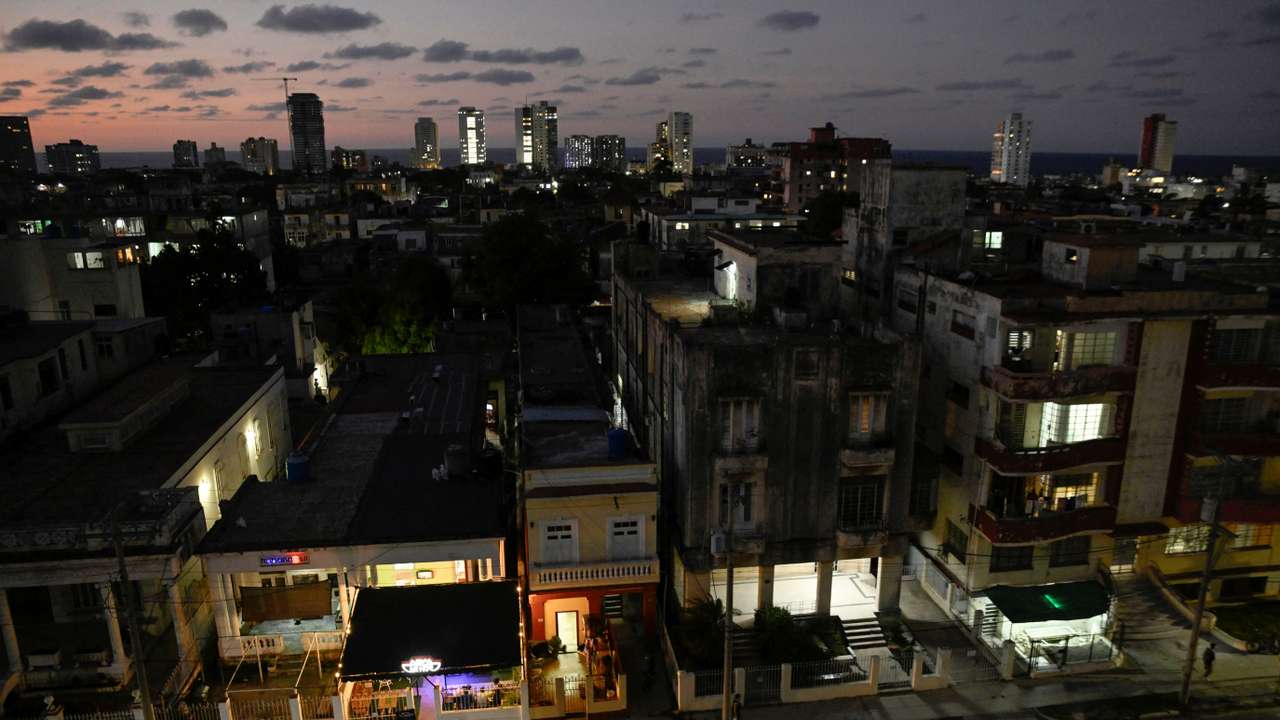
Cuba has long struggled with a deteriorating electrical grid plagued by chronic fuel shortages, ageing infrastructure and repeated breakdowns, conditions that pushed the system to the brink in 2024 and 2025.
Amid this ongoing crisis, authorities recently suggested that 2026 could mark a turning point for the national electrical network, aiming to restore stability after a cascade of blackouts that left large parts of the country in darkness.
However, just days ago, a partial collapse of the grid once again plunged Havana and large swathes of western Cuba into darkness. A transmission-line failure severed the connection between the capital and the country’s largest power plant in Matanzas, the latest in a string of outages underlining how fragile the system remains. Even though officials reported a gradual restoration of power, the blackout reinforced doubts among citizens about whether promises of recovery are realistic.
In recent years, the government has announced plans to diversify energy production by investing in renewable sources, including solar, wind and biomass projects and to gradually reduce reliance on fossil-fuel thermal plants. But experts warn that these measures alone may not be enough. With effective generation capacity reportedly far below national demand, and a legacy of deferred maintenance and substandard fuel quality, the grid remains highly vulnerable to further failures unless major structural reforms are implemented.
For ordinary Cubans, the unreliability of electricity has become a daily reality, with long power cuts, unpredictable outages, and uncertainty over essential services from water pumping to food preservation. While 2026 is being billed by authorities as a year for possible recovery, the recent collapse illustrates how fragile hope remains, and how much work still lies ahead if the island hopes to restore a stable, reliable power supply.
This story is written and edited by the Global South World team, you can contact us here.