Can the United States legally capture a foreign president? The controversy over Maduro’s reported arrest
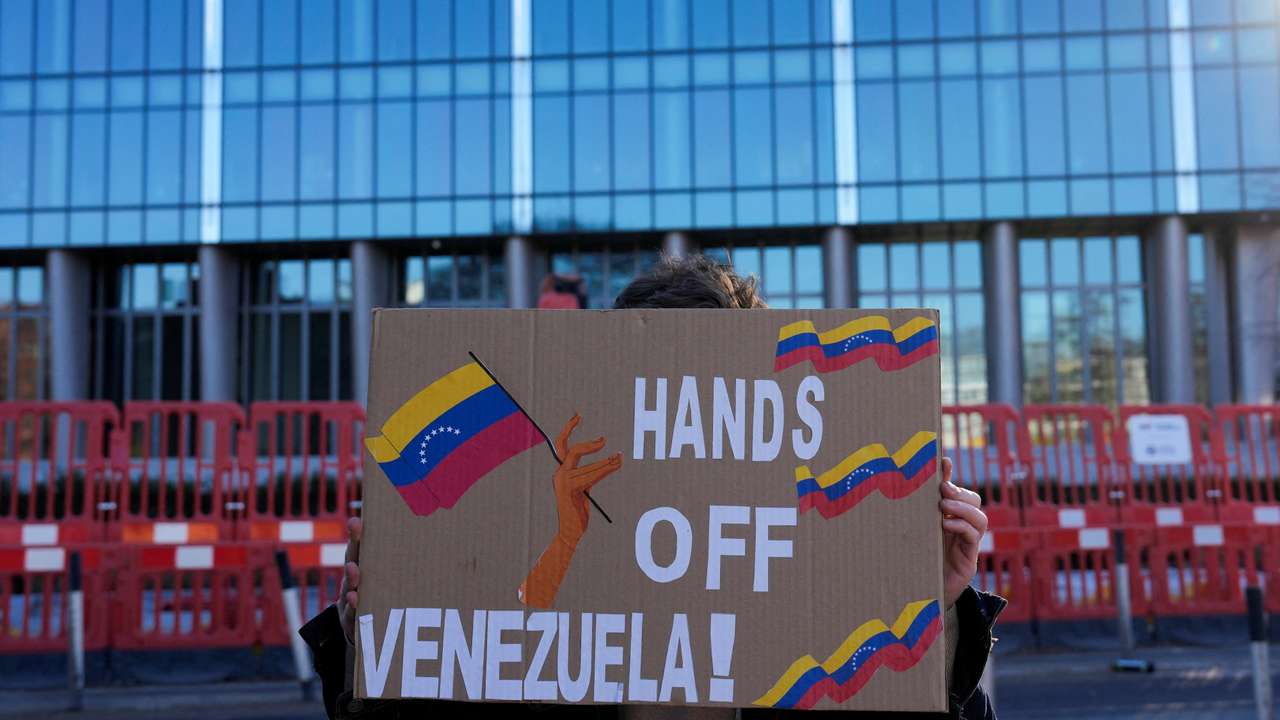
The unexpected announcement by US President Donald Trump that Venezuelan President Nicolás Maduro was captured and removed from Venezuela after a large-scale military operation has sparked a storm of debate around the world.
Trump claimed on social media that US forces had “successfully” carried out an attack in Venezuelan territory and that Maduro and his wife were taken out of the country under US custody. The operation, according to the announcement, followed months of pressure from Washington over allegations including drug trafficking and other crimes.
The Venezuelan government has strongly rejected the US version of events, condemning what it describes as “military aggression” and a violation of national sovereignty, and demanding proof of life for Maduro and his wife. Vice-President Delcy Rodríguez said Caracas has lost contact with the president and criticised the operation as a blatant breach of international norms. Several Latin American governments, including Brazil’s, have also condemned the US action as crossing an “unacceptable line,” urging respect for Venezuelan sovereignty.
This dramatic development has drawn immediate comparisons to historical precedents such as the 1989 US invasion of Panama and the capture of General Manuel Noriega. But beyond historical echoes, the core question now gripping diplomats and international lawyers is whether such an operation can be justified under international law. Under the UN Charter, the use of force against the territorial integrity or political independence of a state is generally prohibited unless authorised by the United Nations Security Council or justified under narrow self-defence exceptions. Arresting a sitting head of state without consent could be interpreted as a violation of those principles.
Legal scholars point out that capturing a foreign president without a clear international mandate could amount to unlawful interference in the internal affairs of another state. The principle of sovereign equality means that no nation, regardless of military power, is entitled to act as a global judge and enforcer without agreed legal authority. In this context, critics argue that the US action could be characterised as a form of extrajudicial seizure rather than a lawful arrest under recognised international mechanisms.
Supporters of the action, including some regional political figures allied with Trump, have framed it as a necessary step against what they characterise as dictatorship and criminality in Venezuela. They argue that Maduro’s contested legitimacy and the serious criminal charges against him, including longstanding US indictments on narcotics and related offences, justify extraordinary measures. However, international criticism has stressed that such arguments do not override fundamental legal obligations under global treaties and customary international law.
The situation remains fluid, with Trump scheduled to address the operation in a press conference and scepticism persisting about the full details of what has taken place on the ground. Whether the US action will be accepted, rejected or contested in international forums such as the United Nations will have ramifications far beyond Venezuela, raising urgent questions about the limits of power, the rule of law and the future of state-to-state relations in the 21st century.
This story is written and edited by the Global South World team, you can contact us here.