Chile Roundup: Lithium megaproject, wildfires, school safety rules
Chile overtakes Argentina with massive lithium PPP aimed at China demand
Chile has launched its largest-ever public–private partnership to exploit lithium, a critical mineral central to electric vehicle batteries and renewable energy tech, potentially surpassing Argentina’s production footprint. The initiative, backed by state and private capital, seeks to attract long-term investment and strengthen Chile’s position in global supply chains, especially amid surging demand from China. Officials argue the country’s abundant lithium reserves and improved regulatory framework make it an ideal candidate for large-scale development. The project aligns with national economic diversification goals while prompting discussions on environmental safeguards and community consultation. Chile’s move reflects broader competition among South American lithium producers for foreign partnerships and market leadership.
Wildfires scorch over 800 hectares; 158 communes on high alert
A wave of wildfires in central and southern Chile has burned more than 800 hectares, including significant forest areas in Las Condes and surrounding regions. The National Forestry Corporation (CONAF) and emergency services report that fires are active across 158 communes, triggering widespread deployment of firefighters, aircraft and community evacuation warnings. Extreme heat and dry conditions have exacerbated fire behaviour, complicating containment efforts. Local authorities activated the “Red Button” emergency alert in multiple municipalities to coordinate rapid response and resource mobilisation. Residents have been urged to follow safety protocols and stay informed on closures and air quality updates. The government has also appealed for inter-regional assistance as the season’s fire risk peaks.
Education regulator mandates “safe classroom” procedures for private schools
Chile’s Superintendency of Education has ordered private schools to adopt “aula segura” (safe classroom) procedures to address incidents of violence, bullying and disruptive behaviour. The directive requires institutions to establish clear protocols for identifying and managing safety risks, protecting students and staff, and reporting serious cases to authorities. The move comes amid rising public concern over school safety and disciplinary consistency across educational settings. Regulators emphasised that safe classroom measures must align with national education standards and child protection norms. Schools must now review internal policies and train personnel to meet the new requirements. Advocates say the policy will create more structured, equitable and enforceable safeguards, while some private school associations seek clarity on implementation timelines and resource support.
Johannes Kaiser outlines “red lines” for potential role in Kast’s government
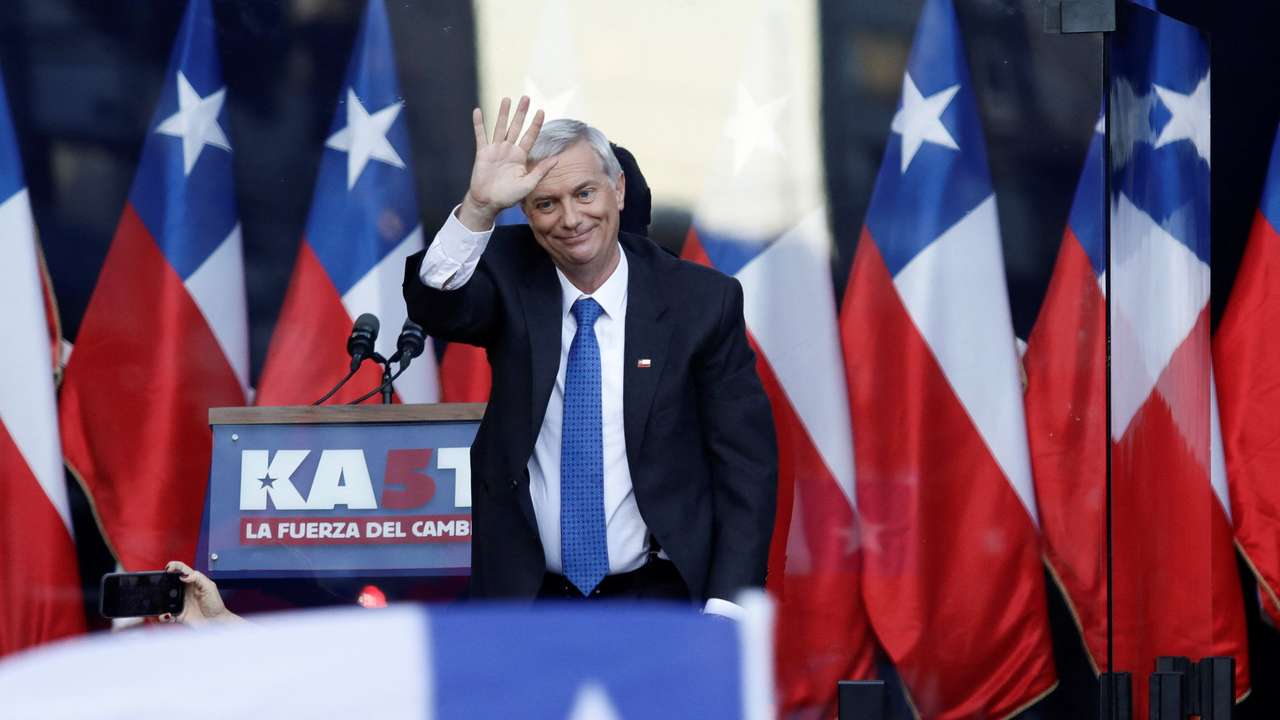
Johannes Kaiser, leader of Chile’s National Libertarian Party (PNL) and former presidential candidate, met with representatives linked to president‑elect José Antonio Kast to present a set of “red lines”, non‑negotiable conditions for his party’s cooperation with the incoming administration. Kaiser said his group is available to be part of the future government if the conditions that protect its identity and core principles are accepted, framing the lines as a framework for operational cooperation rather than personal appointments. He emphasised that discussions will continue soon to define the scope of possible collaboration, including policy priorities that must be respected. The stipulations reportedly include opposition to the continuation of certain gender and sexual education programmes, reflecting ideological priorities of his libertarian platform. The deliberations are ongoing as both sides gauge how the PNL might support Kast’s agenda without compromising its political identity.
PS and FA defend Communist Party’s mobilisation call against Kast
Chile’s Socialist Party (PS) and Broad Front (FA) have publicly defended a call by the Communist Party (PC) to mobilise against presidential candidate José Antonio Kast, framing protests as a legitimate democratic expression. Facing criticism from opponents who labelled the mobilisation incitement, PS and FA leaders argued that peaceful citizen action addresses deep political divisions and responds to concerns over Kast’s policy agenda on social rights and inequalities. The debate has intensified in public discourse, with voices on both sides warning about polarisation and the tone of campaign rhetoric. PS and FA officials stressed the importance of respecting collective mobilisation within constitutional bounds, while urging all political actors to avoid incitement to violence. The episode reflects broader ideological battles shaping Chile’s electoral environment.
This story is written and edited by the Global South World team, you can contact us here.