Chile–Peru border standoff leaves migrants stranded
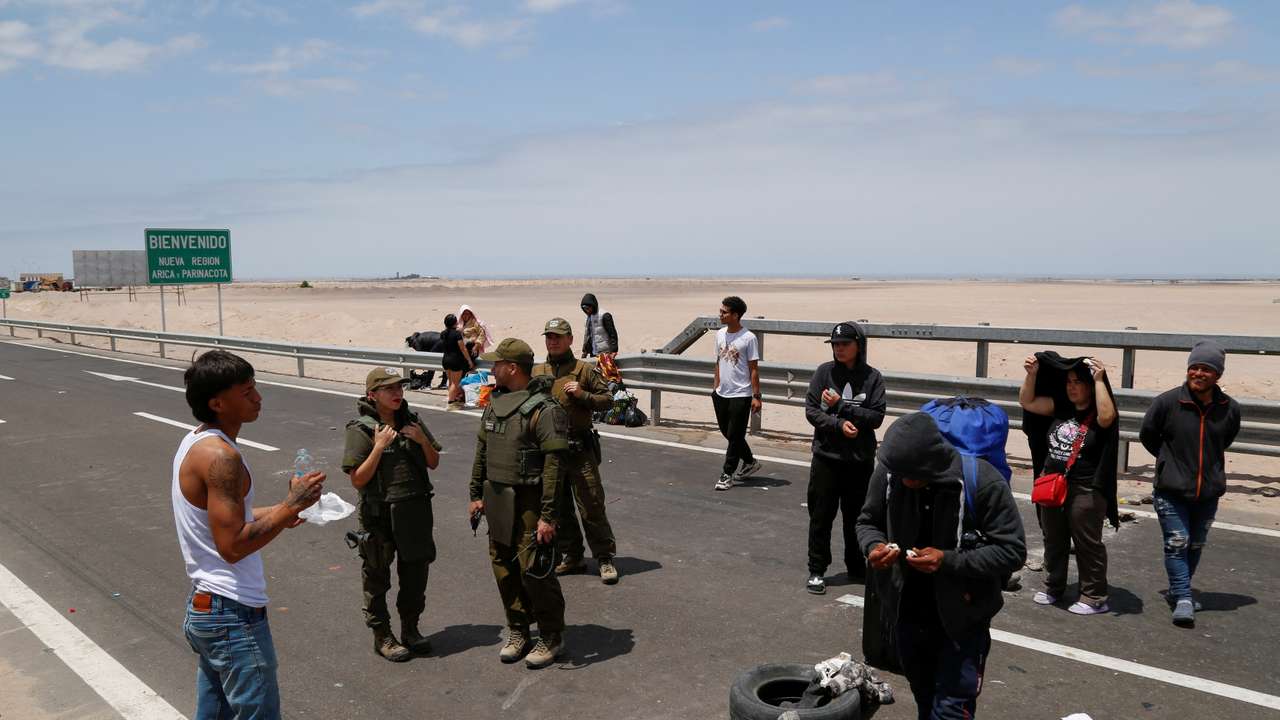
Dozens of migrants trying to leave Chile found themselves stranded at the northern border this week, caught between tightened entry controls in Peru and the inability to return to Chile.
Many had hoped to cross into Peru as a transit route towards other destinations, only to discover that Peruvian authorities were refusing their entry, leaving them stuck for days in precarious conditions.
Families reported spending nights outdoors near the border crossing, with limited access to shelter, food, and basic services. Several migrants described the journey north as their last attempt to find stability after struggling to secure work and legal status in Chile. Instead, they now face uncertainty in a space where neither country is allowing them to move freely.
The situation reflects rising tensions between Chile and Peru over migration flows, as both governments have increasingly tightened their border policies in recent months. For migrants, these shifts translate into immediate humanitarian consequences, particularly for those travelling with children, elderly relatives, or limited resources.
As entry into Peru remains restricted, some migrants have attempted to negotiate with officials, while others simply wait, hoping the authorities will eventually allow passage. Many expressed frustration at the absence of clear communication about what documents or procedures would allow them to cross, deepening their sense of abandonment in a region they do not consider home.
For those stranded at the border, the standoff has become more than a diplomatic dispute, it is a daily struggle for safety, dignity, and the chance to keep moving. With no resolution in sight, migrants remain trapped between two states, facing a humanitarian situation that neither country appears ready to fully address.
This story is written and edited by the Global South World team, you can contact us here.