Cholera outbreak in DR Congo becomes worst in 25 years
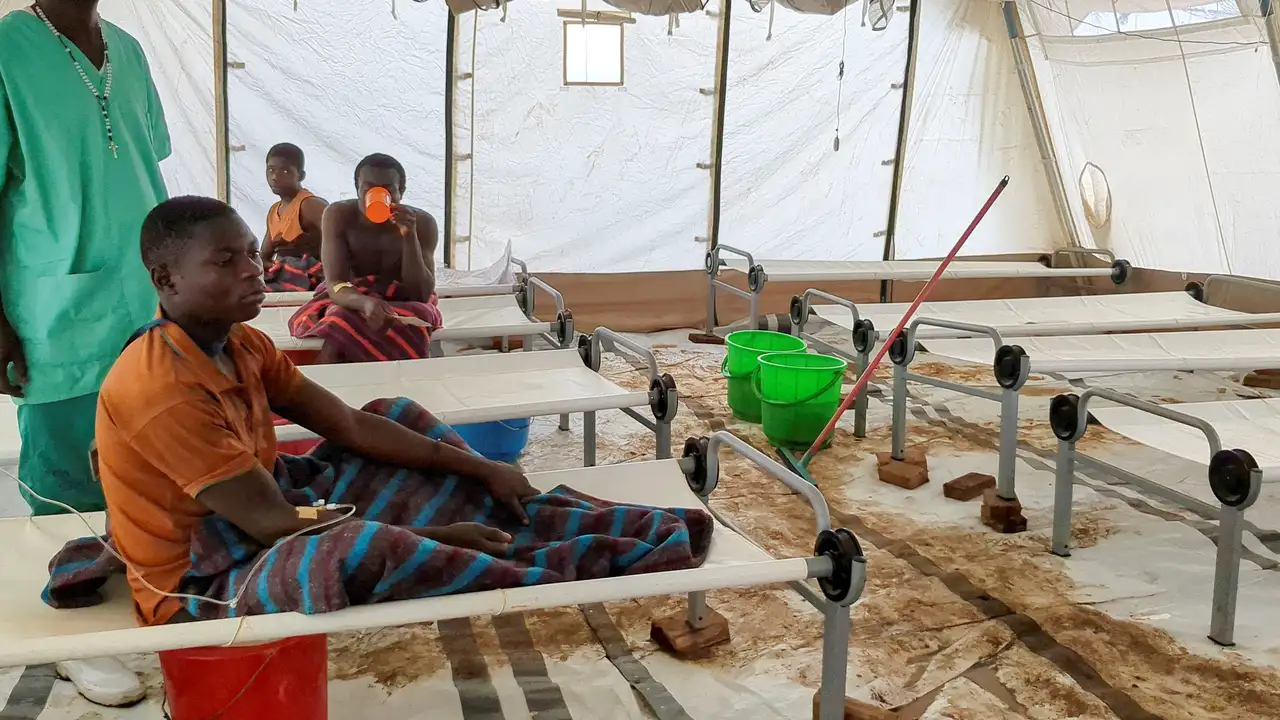
The Democratic Republic of the Congo (DRC) is experiencing its worst cholera outbreak in 25 years, with 64,427 cases and 1,888 deaths recorded since the beginning of the year.
Among the affected are 14,818 children, with 340 child deaths reported, according to UNICEF.
The outbreak has disrupted the lives of children across the country, affecting their education and exposing them to illness and emotional trauma. In a significant incident, 16 out of 62 children died within days in a Kinshasa group home after the disease spread through the facility.
“Congolese children should not be so gravely affected by what is a wholly preventable disease,” said John Agbor, UNICEF DRC Representative. “UNICEF encourages our government partners to increase investments in water, sanitation, hygiene and health services, especially in established cholera hotspots, to better protect the health and well-being of Congolese families and children.”
17 out of the DRC’s 26 provinces have been affected, including the capital city, Kinshasa. On average, children account for 23.4% of reported cases across the country.
Poor access to water and sanitation remains a key factor in the spread of cholera in the DRC. The 2024–2025 Demographic and Health Survey (DHS) reports that only 43% of the population has access to at least basic water services, the lowest rate in Africa. Only 15% have access to basic sanitation.
The situation is worsened by ongoing conflict, displacement, and insecurity in eastern parts of the country, which limit access to healthcare services.
To combat the outbreak, the DRC government launched the Multisectoral Cholera Elimination Plan (PMSEC) 2023–2027, with a proposed budget of $192 million. However, the plan remains underfunded. A mid-term evaluation conducted in May 2025 called for increased investments and better coordination across sectors.
The government also introduced the “River Congo without cholera” initiative, which addresses sanitation issues at river ports, the need for hygiene education among boat crews and passengers, and the lack of access to safe drinking water along the river.
Cholera is a severe diarrhoeal illness caused by the ingestion of contaminated food or water containing Vibrio cholerae. Without treatment, the disease can lead to death within hours.
Globally, researchers estimate 1.3 to 4.0 million cholera cases occur annually, with 21,000 to 143,000 deaths. In October, the Africa Centres for Disease Control and Prevention (Africa CDC) reported 6,854 deaths from cholera across 23 African countries in 2025. The overall case fatality rate stood at 2.3%, with 297,394 cases recorded, nearly 50,000 more than the previous year.
Angola and Burundi remain the most severely impacted countries due to poor sanitation and limited access to clean water. While case numbers have declined in South Sudan, Sudan, and the DRC, according to the Africa CDC, these countries continue to bear the highest burden of the disease.
This story is written and edited by the Global South World team, you can contact us here.