Civilian pushback and popular resistance of 2025 that shook the Global South
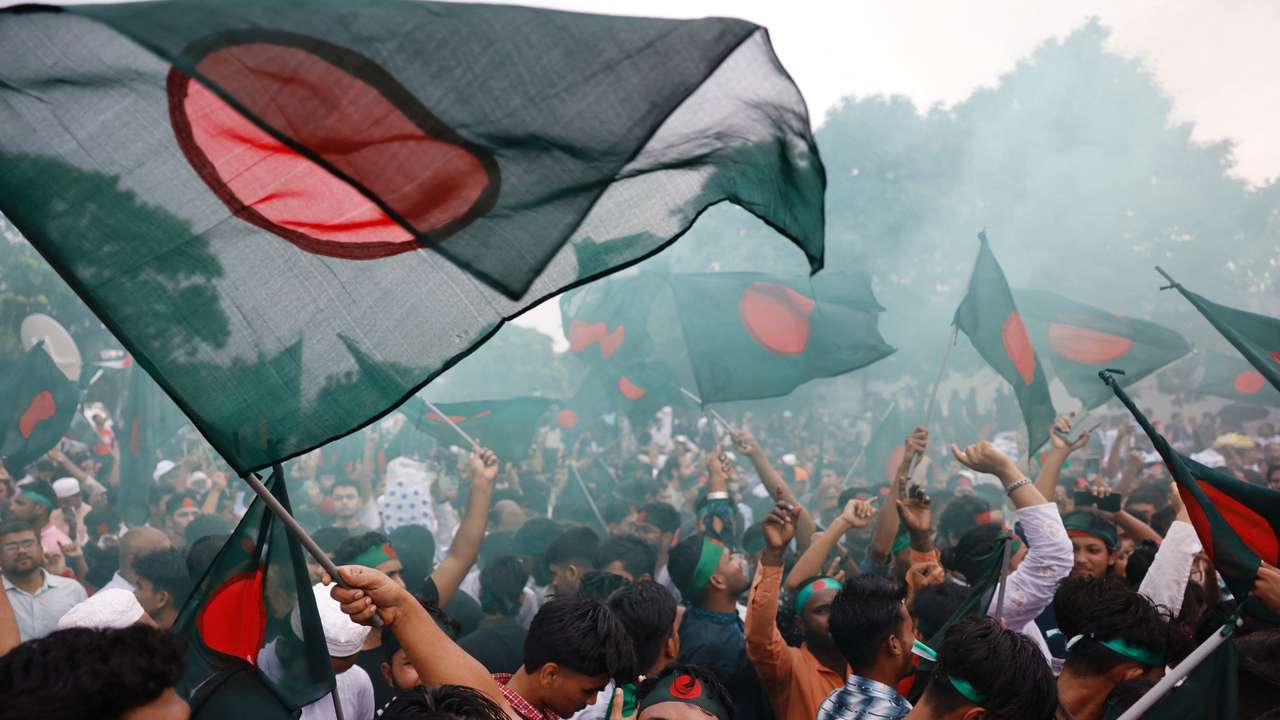
Across the Global South, 2025 was marked by a powerful wave of civilian resistance, as millions took to the streets over rising living costs, youth unemployment, disputed elections and distrust in political institutions.
Many of these movements were driven by digitally savvy youth, organised through social media and operating without formal leaders - now collectively termed as ‘Gen Z protest or movement.’
Governments struggled to contain protests that spread rapidly across cities, often forcing policy reversals or provoking heavy-handed crackdowns that drew international attention.
Together, these uprisings and many others made 2025 one of the most protest-heavy years the Global South has seen in recent memory.
Kenya’s Gen-Z protests
In Kenya, protests that began in 2024 spilt forcefully into 2025 after the government pushed through controversial tax hikes. Led largely by Gen Z activists mobilising online, demonstrations spread from Nairobi to major towns, with protesters storming Parliament and targeting symbols of state power. President William Ruto was eventually forced to withdraw key parts of the finance bill. Human rights groups warned that the state responded by weaponising digital tools to suppress dissent. Amnesty International said young activists faced coordinated online harassment, intimidation and disinformation aimed at silencing the movement. “Our analysis of online activity throughout several waves of protests in 2024 and 2025 and the interviews we’ve conducted with young human rights defenders, clearly demonstrate widespread and coordinated tactics on digital platforms to silence and suppress protests by young activists, including through online threats, intimidating comments, abusive language, smearing, and targeted disinformation,” Agnès Callamard, Amnesty International’s Secretary General is quoted.
Bangladesh student-led uprising
Bangladesh’s student-led protest movement, which erupted in 2024 over public-sector job quotas, reignited in 2025 following the death of prominent student leader Sharif Osman Hadi, who succumbed to gunshot wounds. Demonstrators accused the government and foreign actors of targeting activists, triggering fresh waves of violence, arson and street battles. Universities and major cities were paralysed as protesters demanded accountability and an end to what they saw as systemic economic exclusion.
Mozambique’s post-election unrest
In Mozambique, disputed election results sparked months of unrest after the ruling FRELIMO party was accused of rigging the October 2024 vote. Protests continued into early 2025, culminating in a violent crackdown around President Daniel Chapo’s January inauguration. Civil society groups reported more than 300 deaths and over 3,000 injuries, while authorities put the toll far lower. Amnesty International documented the use of live ammunition, arbitrary arrests and internet shutdowns, raising alarm over democratic backsliding.
Venezuela’s protests over election credibility
Venezuela also saw sustained protests after President Nicolás Maduro secured a third term in a contested July 2024 election. Opposition supporters rejected the results, accusing authorities of manipulation and repression. Weeks of demonstrations were met with mass arrests. Rights groups said around 2,400 people were detained, though many were later released amid international pressure.
Nepal's Gen Z protests
In Nepal, Gen Z protesters led nationwide demonstrations against corruption, political nepotism and a sweeping ban on social media platforms. The unrest turned deadly in September 2025, with at least 22 people believed to have been killed and hundreds injured. The protests were fuelled by years of frustration with an ageing political elite and intensified by a viral online movement criticising the lavish lifestyles of politicians’ children. A sudden shutdown of 26 social media platforms only deepened public anger. “This is a revolution. This is the end of the corruption. It’s our turn now. The government was so corrupt. They used that money to improve their own lives, but there has been no change in the lives of normal people,” said Sujan Dahal, a young Nepali protestor.
Tanzania's post-election chaos
In Tanzania, security forces used lethal and disproportionate force to suppress election-related protests between October 29 and November 3, 2025. Amnesty International and the UN documented cases of live ammunition being fired at protesters and tear gas being used indiscriminately in residential areas. While the government disputed casualty figures, UN officials said at least 10 deaths were confirmed by credible sources, with many more injured. "We are alarmed by the deaths and injuries that have occurred in the ongoing election-related protests in Tanzania. Reports we have received indicate that at least 10 people were killed," U.N. human rights spokesperson Seif Magango told Geneva reporters, citing "credible sources" in the country.
Togo's uproar
From June 26 to 28, in Togo, thousands protested constitutional reforms critics say allow President Faure Gnassingbé to remain in power indefinitely. Demonstrations in Lomé were violently dispersed, with civil society groups reporting at least four deaths, dozens of injuries and mass arrests. Verified footage showed beatings and civilians being dragged away by plainclothes officers.
Madagascar's Gen Z rebellion
Madagascar saw deadly demonstrations organised by young protestors, angered by chronic power cuts and water shortages led to the ousting of former President Andry Rajoelina. Demonstrations that began peacefully in September quickly escalated after security forces intervened, leaving at least 24 people dead, including a baby exposed to tear gas. Protesters said years of neglect and hopelessness drove them into the streets, demanding dignity and basic services. Amnesty International called for independent investigations into the killings.“Every death on the streets of Madagascar is a painful reminder that the right to peaceful protest is under violent attack. The authorities must promptly launch thorough and effective investigations into these killings and hold perpetrators to account,” Tigere Chagutah, Amnesty International’s Regional Director for East and Southern Africa, is quoted. “Malagasy people need to unite, that’s what’s causing this movement,” one protester said. “We are tired, fed up and completely lost, so let’s fight for the good of the youth and the next generation,” he added.
This story is written and edited by the Global South World team, you can contact us here.