Cuba faces power crunch as fuel imports from Venezuela and Mexico plunge
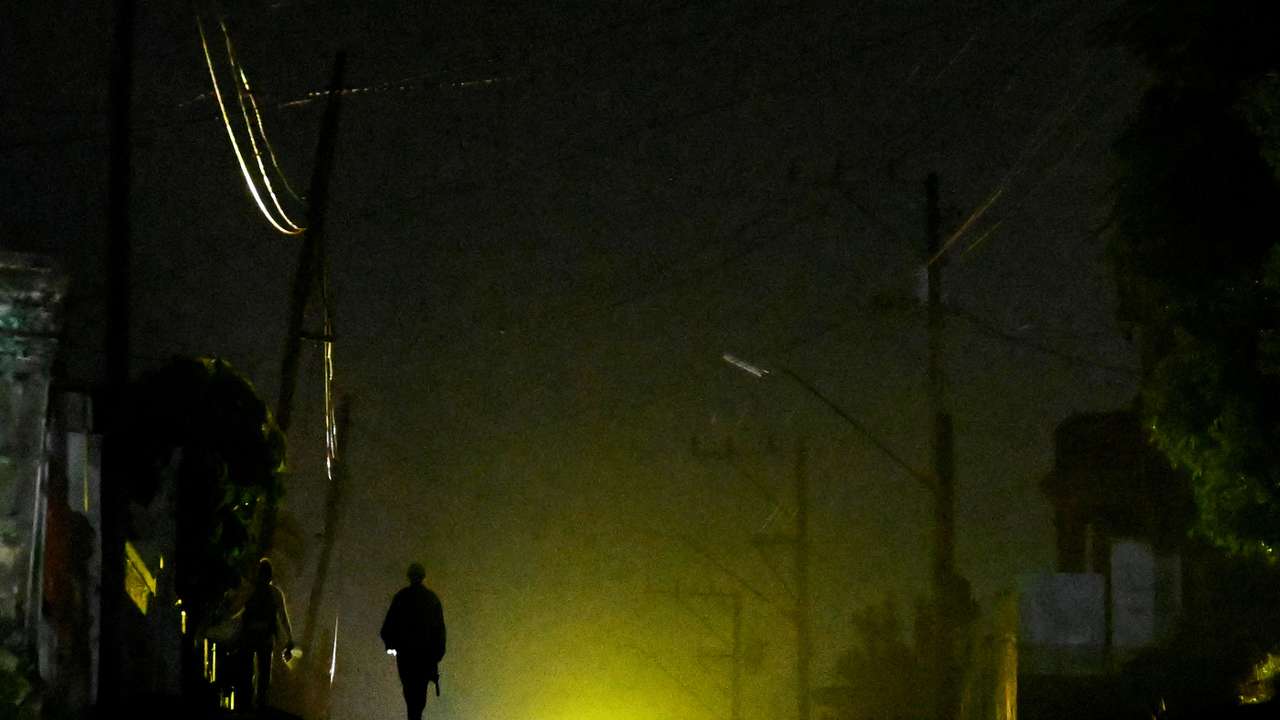
Cuba is grappling with a deepening energy crisis as fuel shipments from its key allies, Venezuela and Mexico, have dropped sharply this year.
Between January and October 2025, the island’s crude and refined fuel imports declined by around 35% compared to the same period in 2024.
The reduction has especially hurt supplies of fuel oil, one of the most important inputs for Cuba’s ageing thermoelectric power plants. Deliveries from Mexico fell by approximately 73%, while imports from Venezuela, historically Cuba’s most significant energy partner, dropped by nearly 15%.
As a result, Cuba has been forced to shut down significant portions of its electricity generation capacity. According to the national electrical union, nearly 900 megawatts, almost a third of daily demand, are now offline due to a lack of fuel and lubricants. In Havana, residents report unplanned blackouts of up to nine hours, while more remote provinces sometimes receive only two to four hours of electricity each day.
Cuban officials have attributed the crisis to a combination of external and internal factors, including the steep reduction in shipments from allies, payment difficulties, and a shortage of vessels capable of transporting fuel across the Caribbean. Meanwhile, longstanding US sanctions, economic instability and damage to infrastructure from Hurricane Melissa are also compounding the problem.
The situation has renewed international attention on Cuba’s energy vulnerability and geopolitical isolation. As global allies recalibrate their own energy strategies, Havana’s ability to maintain stable electricity access and avoid further social disruption may depend on forging new partnerships or accelerating its transition to renewable energy.
This story is written and edited by the Global South World team, you can contact us here.