Guinea-Bissau's transitional military adopts charter barring leaders from elections
- #Africa
- #Fundamental Rights
- #Civil Liberties
- #Crime
- #Law
- #Justice
- #Conflicts
- #War
- #Peace
- #Diplomacy
- #Foreign Policy
- #Economic Community of West African States
- #Europe
- #Middle East and Africa
- #Emerging Market Countries
- #Human Rights
- #Civil Rights
- #Mining
- #government
- #Politics
- #International
- #National Security
- #Civil Unrest
- #Elections
- #Voting
- #Presidential Elections
- #West Africa
- #Africa
- #Fundamental Rights
- #Civil Liberties
- #Crime
- #Law
- #Justice
- #Conflicts
- #War
- #Peace
- #Diplomacy
- #Foreign Policy
- #Economic Community of West African States
- #Europe
- #Middle East and Africa
- #Emerging Market Countries
- #Human Rights
- #Civil Rights
- #Mining
- #government
- #Politics
- #International
- #National Security
- #Civil Unrest
- #Elections
- #Voting
- #Presidential Elections
- #West Africa
By Alberto Dabo
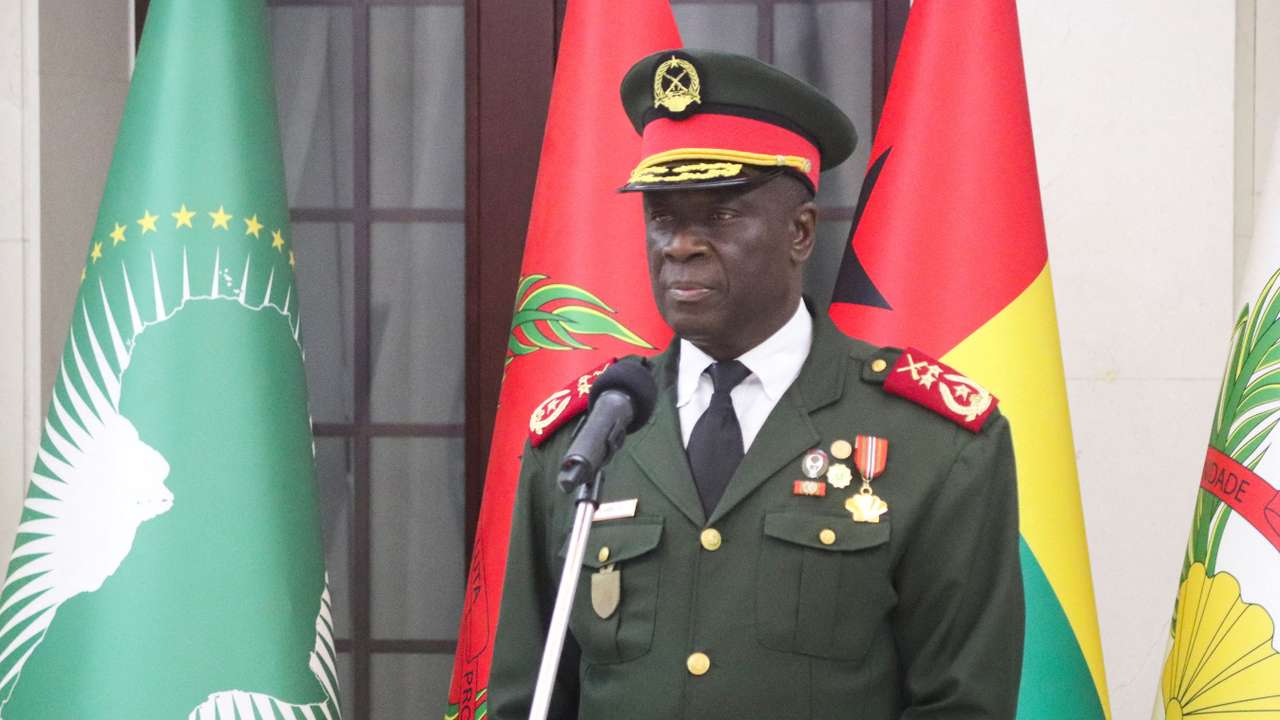
Guinea-Bissau's military junta adopted a 12-month transitional charter that bars the interim president and prime minister from running in the next elections, two weeks after officers staged a coup that suspended the constitution.
The 29-article charter, published on Tuesday, requires presidential and legislative elections to be held at the end of the one-year transitional period, with the polling date to be set by the transitional president.
Army officers in Guinea-Bissau, branding themselves the Military High Command, toppled President Umaro Sissoco Embalo on November 26 and installed Major-General Horta Inta-a as interim president the following day.
Ilidio Vieira Te, a civil servant and former finance minister, was named prime minister a day later.
The coup came one day before the electoral commission was due to announce the results of presidential and legislative elections.
The Military High Command will control legal and institutional reforms during the transition, including drafting revisions to the suspended constitution, setting up a new Constitutional Court, changing regulations for political parties and overseeing the appointment of new electoral officials, according to the charter.
A 65-member National Transition Council, including 10 senior army officers representing the Military High Command, will serve as a transitional legislative body, the charter says.
Guinea-Bissau, a small West African coastal nation wedged between Senegal and Guinea, has experienced repeated instability since gaining independence from Portugal in 1974, with only one president ever completing a full term in office.
Following a coup in Guinea in 2021, a transitional charter stipulated that coup leader Mamady Doumbouya would not be able to run in that country's next elections.
However the country adopted a new constitution in September that dropped that provision, and Doumbouya is on the ballot in an election scheduled for December 28.
This article was produced by Reuters news agency. It has not been edited by Global South World.