Haiti marks 222 years of independence amid political and security challenges
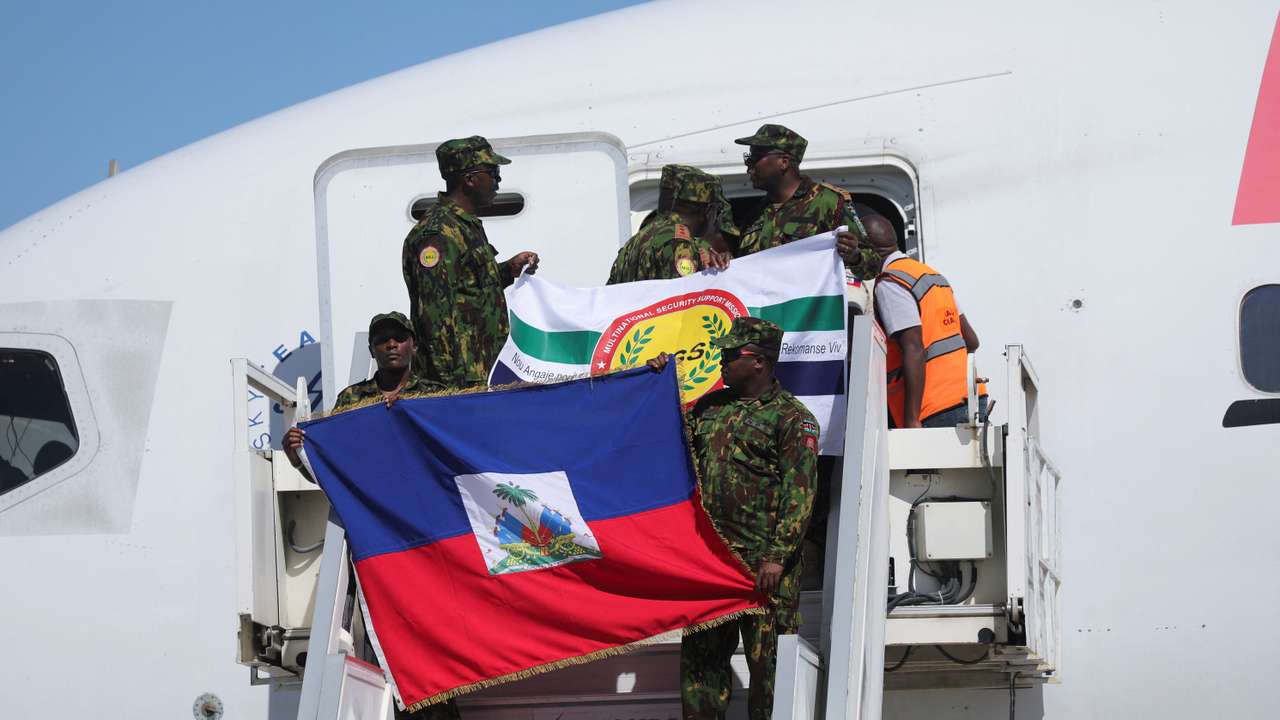
At the turn of the new year, Haitians also mark the commemoration of their 222nd Independence Day.
January 1 is a significant national holiday, celebrating Haiti’s liberation from colonial rule in 1804.
The country became the first Black-led republic, the first independent nation in the Caribbean, and the second independent state in the Western Hemisphere, following the United States.
The Haitian Revolution, which spanned from 1791 to 1804, involved a series of conflicts between enslaved Haitians, colonial forces, and foreign armies, including those from Britain and France.
This revolution resulted in the abolition of slavery in Haiti and the establishment of a sovereign state.
On social media, Haitians shared images of the national flag, family photos, and messages of peace. Many also posted chants of resistance in recognition of the country’s revolutionary past and ongoing challenges.
Haiti continues to face significant political and social instability. Following the assassination of President Jovenel Moïse in 2021, the country has experienced worsening insecurity. Throughout 2023, gang-related violence escalated, with criminal groups taking control of over 80% of Port-au-Prince, the capital.
In April 2024, Prime Minister Ariel Henry stepped down from office, leading to the formation of a transitional presidential council. As law enforcement capacity weakened and incidents of vigilantism increased, the United Nations Security Council approved the deployment of a Kenya-led multinational security mission to support the Haitian police in curbing gang violence. The mission officially began on June 25, 2024, after several delays.
This story is written and edited by the Global South World team, you can contact us here.