Honduras heads to the polls amid poverty, violence and deep political tension
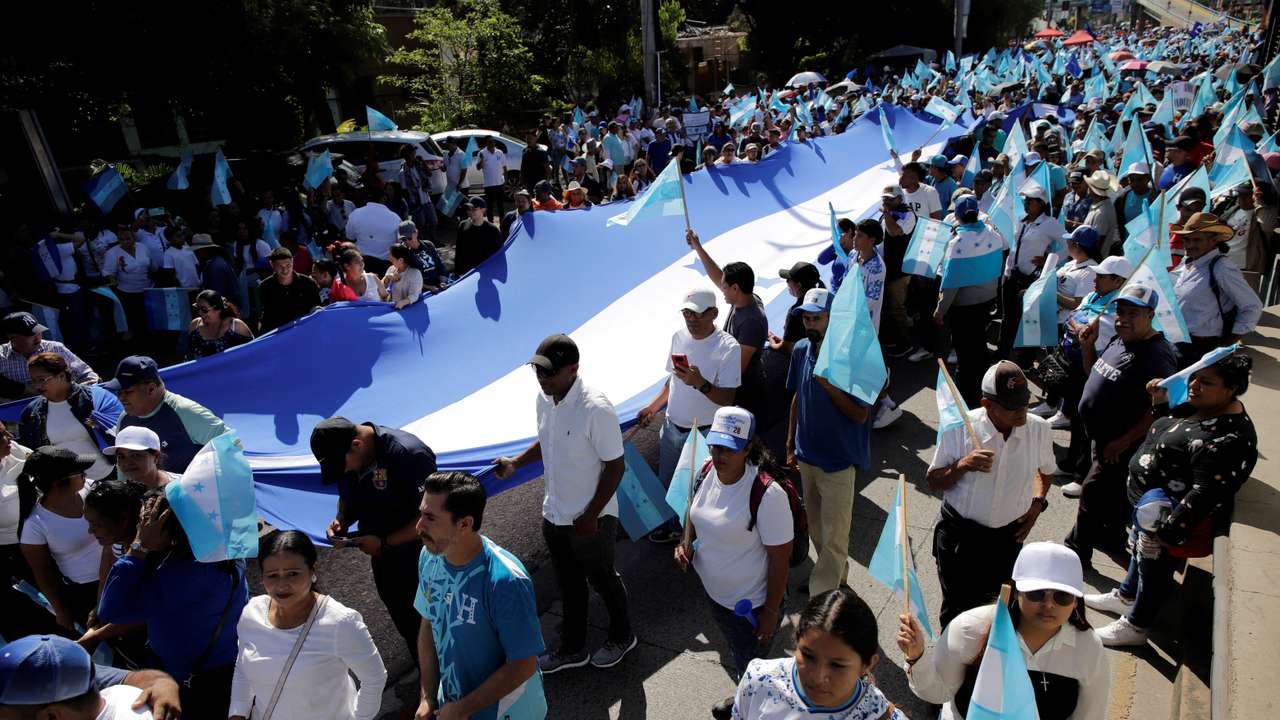
As Honduras approaches its upcoming elections, the country faces a complex and fragile landscape shaped by chronic poverty, persistent violence and long-standing political tensions.
The social crisis facing Hondurans is not new, but it has intensified in the run-up to the vote, with many citizens expressing frustration over living conditions, a lack of opportunities and a widespread sense of institutional abandonment.
Poverty remains one of the country’s most severe challenges. Large segments of the population continue to depend on informal or unstable work, and many families struggle to cover basic needs. This economic strain fuels broader disillusionment: as living costs rise and social support systems remain weak, confidence in the country’s leadership erodes further. For many households, the election arrives at a time of acute financial uncertainty.
Violence adds another layer of pressure. Honduras is among the region’s most affected countries when it comes to crime, gang activity and organised criminal networks. Extortion, territorial control and forced displacement have become common in many communities, compounding fear and insecurity. Reports of political violence have also increased, contributing to an atmosphere of unease as campaigning intensifies. In this environment, trust in state institutions, particularly security and justice systems, remains low.
Corruption is a central concern for voters and a recurring theme in national debates. Years of scandals, political disputes and public accusations have weakened confidence in the political class. The current electoral season has exposed deep divisions between parties, raising fears that the country could once again face instability or contested results. This uncertainty is heightened by widespread dissatisfaction with the government's ability to address long-standing issues such as unemployment, social inequality and the influence of criminal groups.
As Hondurans prepare to cast their ballots, many see the election as a test of the country’s democratic resilience. Beyond choosing new leaders, citizens are hoping for meaningful responses to structural problems that have shaped daily life for decades. Whether the next government can deliver reforms, restore trust and address the root causes of the crisis will determine whether Honduras moves towards greater stability or remains caught in a cycle of political and social turbulence.
This story is written and edited by the Global South World team, you can contact us here.