Hottest year on record for China in 2025, data show
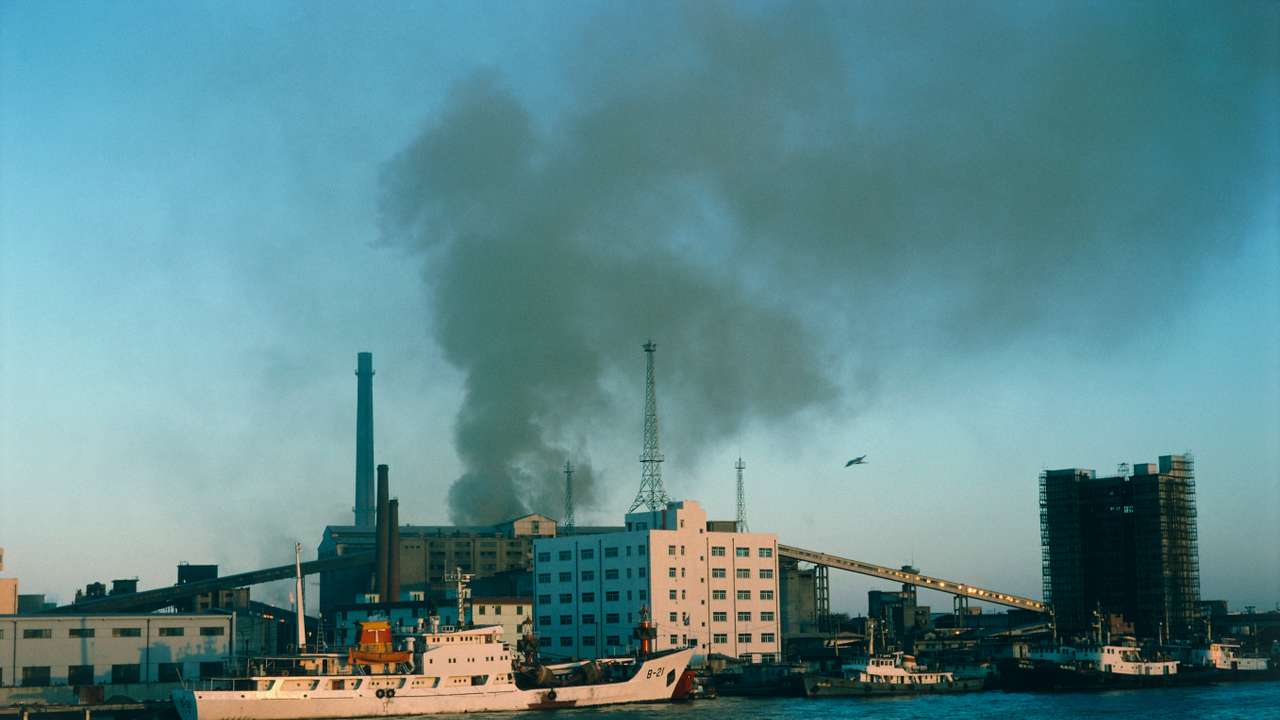
China, the world’s largest greenhouse gas emitter, endured its hottest year in more than six decades in 2025, highlighting the mounting climate pressures facing the country as global scrutiny of its emissions intensifies.
The China Meteorological Administration said the national average temperature last year reached 11°C, the highest since records began in 1961. That was 1.1°C above the country’s typical annual average of 9.9°C.
Sixteen provincial-level regions, including Xinjiang, Jiangxi and Hubei, recorded their highest temperatures on record since 1961, the agency said, reflecting the extent of the warming across the country.
Summer conditions were particularly severe. From June to August, the national average temperature stood at 22.3°C, also 1.1°C above normal and tied with 2024 as the hottest summer China has experienced in more than 60 years.
Alongside the rising heat, Beijing also logged its highest annual rainfall since 1961. Both the duration and total precipitation of the rainy season in northern China reached historic highs, highlighting the growing volatility of the country’s climate.
Emissions
The record warmth comes as China remains the world’s largest annual greenhouse gas emitter. In 2020, it released 12.3 billion tonnes of carbon dioxide equivalent, accounting for 27% of global greenhouse gas emissions, according to data from the World Resources Institute’s CAIT database.
Despite its emissions profile, China continues to frame itself as “the world’s largest developing country” in international climate negotiations.
Under the 2009 Copenhagen Accord, China committed to cut its carbon intensity by 40-45% from 2005 levels by 2020 and to source 15% of its energy from low-carbon sources. Its former climate envoy, Xie Zhenhua, has said carbon intensity fell by 48.4% by 2020, with non-fossil fuels accounting for 15.9% of primary energy consumption.
Countries including the United States have called for a reassessment of responsibilities between developed and developing nations, arguing that China’s status as an upper middle-income, and soon potentially high-income, economy should be reflected in its climate ambitions.
This story is written and edited by the Global South World team, you can contact us here.