How China wants to shape global arms control, from nuclear issues to AI
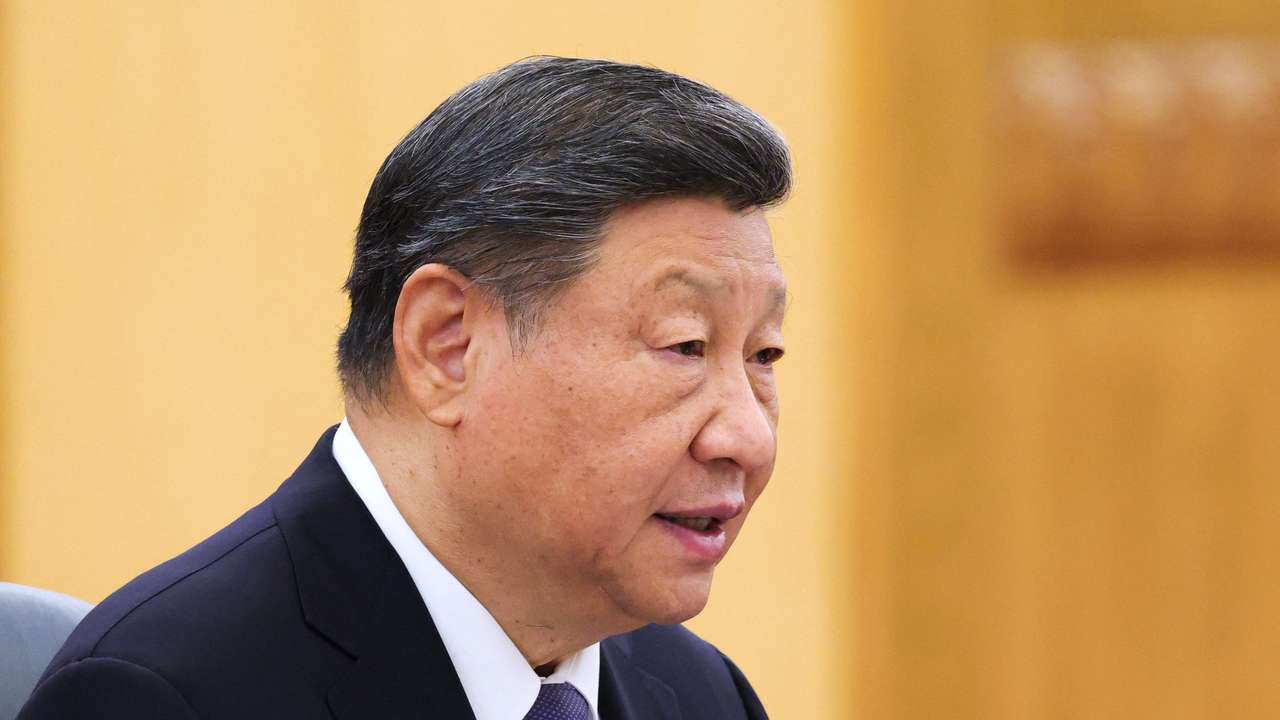
China has set out an expansive vision for the future of global arms control and in addition, called for new international rules governing various issues from nuclear weapons to artificial intelligence.
The White Paper, published by the State Council Information Office, outlines how Beijing sees its role in global security at a time of growing strategic rivalry with the United States and its allies.
China has proposed, amongst others, that the United Nations, not military blocs or unilateral partnerships, should oversee global security frameworks. Adding further that arms control must be rooted in consensus-based multilateral institutions, and calls for developing countries to have a stronger voice in decision-making.
Nuclear governance
On nuclear weapons, the white paper reaffirmed China’s position on such matters, including its commitment to no-first-use and maintaining the “minimum level” of deterrence needed for national security. "China's nuclear weapons are not intended to threaten other countries but for defence and self-protection," the paper said.
China criticises what it describes as “exclusive alliances” and missile defence systems, which it argues undermine strategic stability. "Destroying its abandoned chemical weapons in China is Japan's unshirkable historical, political, and legal responsibility, and also an international obligation stipulated by the CWC," it stressed.
Further, some sections of the White Paper focus on outer space, cyberspace, and artificial intelligence, which the country says are becoming central to global security.
China has thus called for a treaty banning weapons in outer space, UN-led standards for cyber operations, and a responsible and transparent development of military AI.
The country further argued that without global rules, technological competition will become a major driver of instability.
This story is written and edited by the Global South World team, you can contact us here.