How Indonesia plans to protect its Batik heritage with new global standards
Indonesia is seeking to safeguard its centuries-old batik tradition by requiring small and medium-sized producers to comply with national quality standards, a strategy officials say is essential to preserving cultural heritage and boosting global competitiveness.
Industry Minister Agus Gumiwang Kartasasmita said the government is in the process of adopting the Indonesian National Standard (SNI) for batik to ensure authenticity, strengthen consumer trust, and open new export opportunities.
“SNI will strengthen consumer confidence and expand markets,” Agus said in a statement. “Improving batik quality is both cultural protection and economic strategy.”
The Ministry of Industry is working closely with the National Standardisation Agency (BSN) and the Big Workshop for Standardisation and Service of Craft and Batik Industry (BBSPJIKB) to encourage batik makers to meet SNI 0239:2019, the official benchmark for authentic batik.
The standard outlines the distinctions between hand-drawn batik, stamped batik, and combination batik, defining authentic batik through the use of hot wax and traditional tools such as the canting. The motifs and craftsmanship are also key elements recognised under the standard.
Director General for Small, Medium, and Miscellaneous Industries Reni Yanita said standardisation is crucial not only for preserving cultural values but also for helping artisans compete fairly.
“SNI allows consumers to distinguish genuine batik from mass-produced printed fabrics,” she said. “Quality standards protect small and medium industry players and ensure the correct production process.”
Batik is an ancient Indonesian art form of dyeing fabric by applying wax to create intricate, colourful patterns.
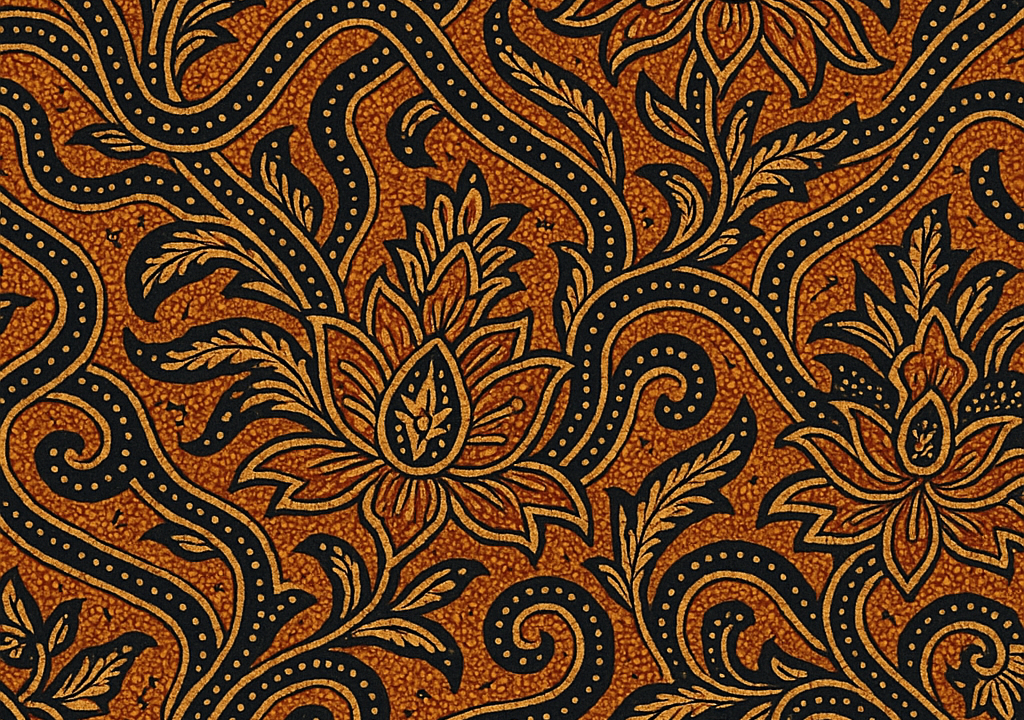
Disclaimer: The image used in this article is AI-generated
This story is written and edited by the Global South World team, you can contact us here.