Iconic elections in 2025 that triggered social shifts across the Global South
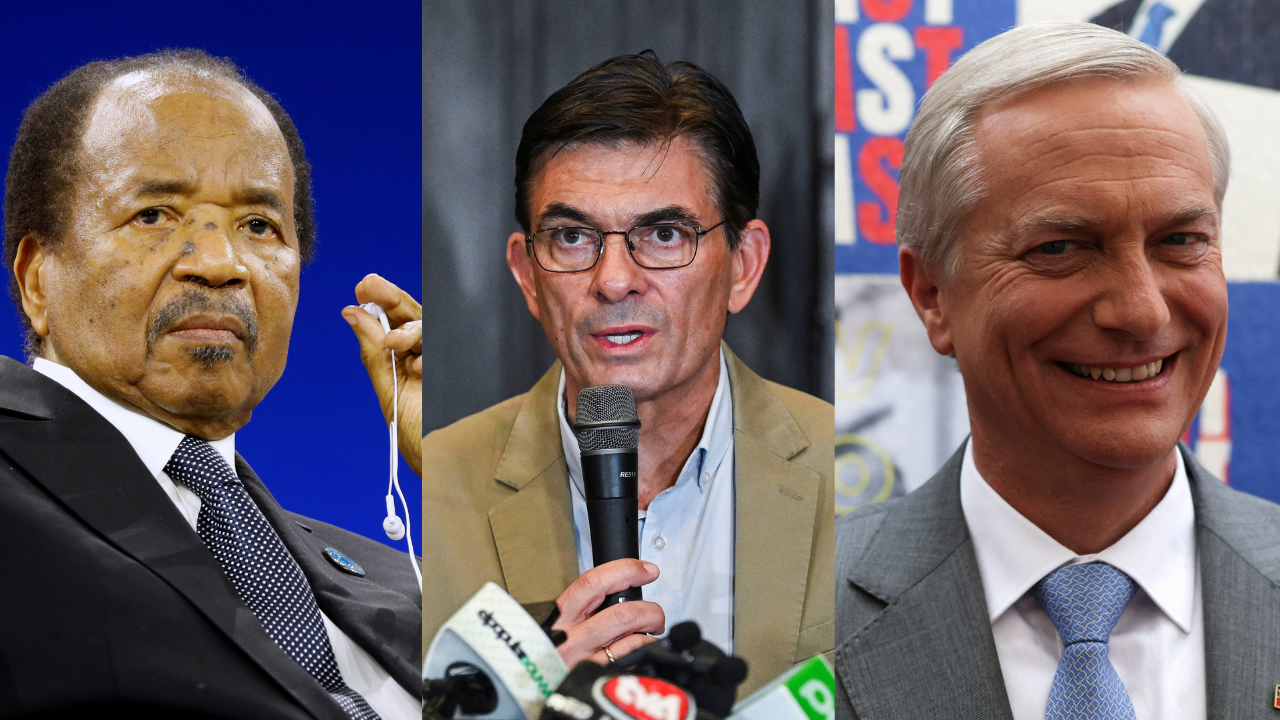
While 2025 was marked by coups and political instability in parts of the Global South, it also produced a smaller but significant set of elections whose outcomes reshaped social expectations, civic engagement, and power dynamics.
These votes did not merely change leaders; they altered how citizens related to the state, authority, and democracy itself.
Here is a rundown of elections that made a difference in 2025:
Sri Lanka
One of the most consequential elections was Sri Lanka’s parliamentary transition in early 2025, which followed the 2024 presidential election won by Anura Kumara Dissanayake after the country’s worst economic crisis since independence. Voters decisively rejected the long-dominant Rajapaksa and Wickremesinghe political establishments, widely blamed for the 2022 debt default, instead backing parties and candidates associated with fiscal discipline, anti-corruption reforms, and continued engagement with the International Monetary Fund (IMF) recovery programme.
Crucially, the mass youth-led protest movement known as the “Aragalaya,” which had forced former president Gotabaya Rajapaksa to flee in 2022, evolved into sustained electoral pressure in 2025.
Cameroon
In the October 12, 2025, presidential election, Cameroon’s long-serving President Paul Biya, aged 92, was declared the winner with approximately 53.7% of the vote, extending his rule that began in 1982 into an unprecedented eighth term. The result sparked widespread protests in major cities such as Douala and Yaoundé, with opposition supporters rejecting the official outcome and accusing the government of electoral fraud and repression. The election and its aftermath underscored deep social tensions between entrenched political authority and a growing demand for democratic accountability among citizens and civil society groups.
Tanzania
Tanzania’s 29 October 2025 general election faced criticism over the exclusion of major opposition candidates and claims of suppressed dissent, fuelling public dissatisfaction with the electoral process and governance. Following the government’s declared victory, protests erupted in major cities, driven largely by young people contesting the outcome and broader political restrictions. Opposition groups and civil society alleged that thousands were killed during the unrest, with some estimates as high as 10,000. These claims have not been independently verified and were dismissed by the government as exaggerated. Prime Minister Mwigulu Nchemba’s administration described the figures as misinformation and announced investigations into the protests and any confirmed deaths. A presidential commission was subsequently established, though no official death toll has been released.
Chile
In the December 2025 presidential election in Chile, José Antonio Kast of the conservative Christian Social Front was elected president, defeating left-of-centre candidate Gabriel Boric and signalling a sharp political shift after years of social unrest and economic uncertainty. Kast’s victory reflected widespread voter concern over crime, public security, and economic challenges, with his campaign promising tougher law-and-order policies and market-oriented fiscal reforms. The result marked a substantive rightward turn in Chilean politics, underscoring a broader social realignment in Latin America as citizens adjusted priorities away from progressive agendas toward stability, security, and economic pragmatism in the aftermath of mass protests and constitutional debates.
Bolivia
In the 2025 Bolivian presidential runoff, Rodrigo Paz —a centrist and former mayor of La Paz— defeated his main rival to secure the presidency with a clear lead in the early official count, ending nearly two decades of dominance by the Movement for Socialism (MAS) party. Paz’s campaign focused on economic stability, reducing political polarisation, combating corruption, and restoring investor confidence after years of tension between MAS supporters and opposition groups, appealing to voters across the political spectrum. The election marked a significant social and political shift in Bolivia, reflecting widespread public desire for consensus leadership and pragmatic governance following periods of protests, contested elections, and economic uncertainty under previous administrations.
This story is written and edited by the Global South World team, you can contact us here.