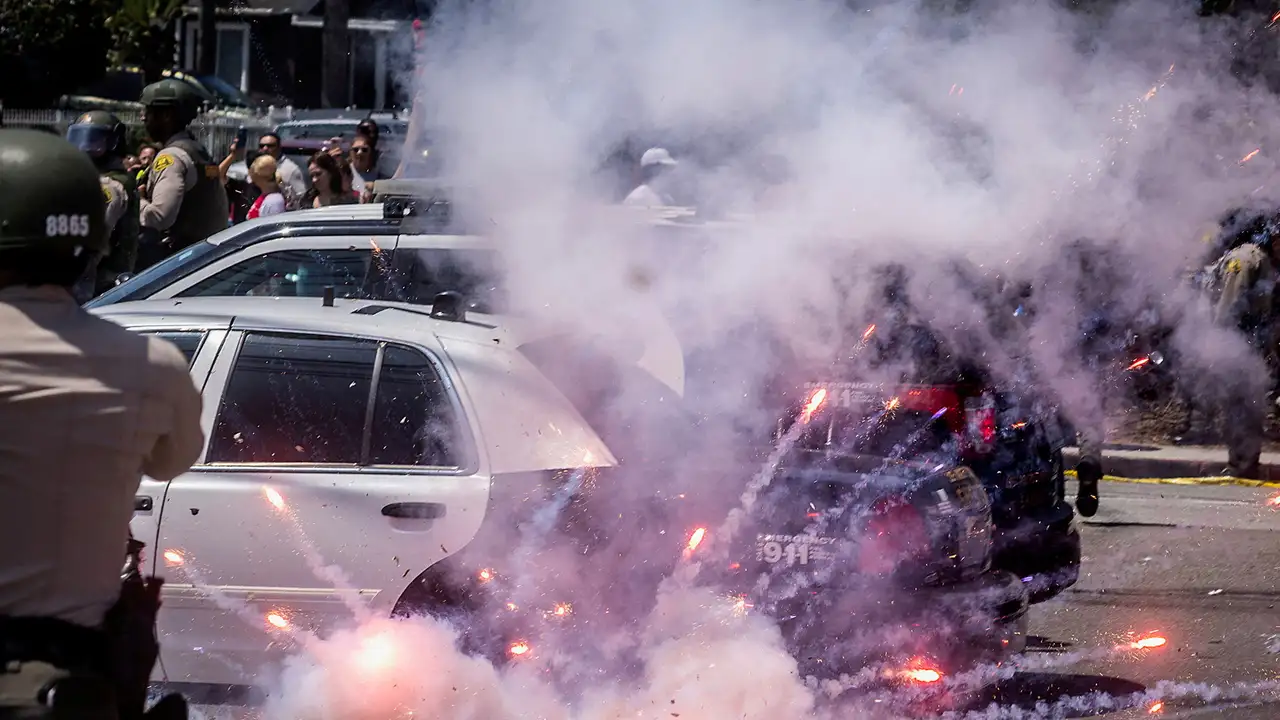
The crackles and flashes have become part of the cultural rhythm. Yet in several countries, those same firecrackers are supposed to be illegal. How do they end up in markets and hands with such ease?
In Ghana, the story begins with a law. The 1999 Export and Import (Prohibition of Importation) Instrument bans the importation of “fire crackers (knock-outs), display shells, artillery shells, ball and canister shells”. That prohibition is backed by enforcement agencies: in a December 2024 press release, the Ghana National Fire Service reminded the public that importing, distributing or selling such fireworks is a criminal offence. Still, come December, multiple markets in Accra and other cities reportedly sell firecrackers openly.
In Tanzania, the legal landscape is similarly strict. According to amendments to the Firearms and Ammunition Control Act (Cap 223), anyone wishing to import, sell or supply fireworks must obtain approval from the Inspector General of Police. Without that approval, such activities are punishable by law. Yet local market surveys suggest that fireworks, often of uncertain origin, appear in private and informal markets during festive times.
In Nigeria, too, certain states enforce bans. For example, the Delta State Police Command has repeatedly issued statements ahead of Christmas and New Year, reminding citizens that the sale, use and display of pyrotechnics, including “knock-outs” and firecrackers, remain prohibited, and warning of arrests for offenders.
South Africa similarly allows fireworks but under strict licensing requirements. Only licensed suppliers can import or sell them, and specific rules govern the types and quantities permitted. Yet illegal fireworks continue to circulate during festive seasons.
So why does the trade continue, despite these laws?
Smuggling across porous borders seems to be the first reason. Firecrackers are light, compact, and easy to conceal in luggage or small cargo. With many busy land and sea entry points, often under-resourced, understaffed, or easily bypassed, illegal shipments find their way in. Once inside, they are rarely intercepted.
Firecrackers are sometimes packaged as “toys,” “party supplies,” or other innocuous goods. Unless customs officers physically inspect each container, an unlikely feat in high-volume ports, the illicit fireworks pass through with minimal scrutiny.
In some cases, licensed importers misuse permits. A license for a small, legal shipment creates a channel through which larger, unapproved shipments can be mixed and smuggled, making enforcement based solely on paperwork ineffective. Officials in Ghana have admitted as much during behind-the-scenes discussions.
Once inside the country, fireworks enter a vast informal economy. Street stalls, open-air markets, commuter stations and roadside kiosks sell packets openly, often in plain sight. Some sellers even operate through social media or messaging apps, offering “home delivery” to evade spot inspections. The trade is seasonal but persistent: every December, new supply flows in to meet demand.
Many families view fireworks as an essential part of celebrations, from Christmas and New Year to weddings and local festivals.
The human cost is serious. Firecrackers contribute to seasonal spikes in burns, eye injuries, house and market fires, and even fatalities. Hospitals report December as one of the busiest months for fire-related injuries. In 2012, a warehouse fire in Lagos killed at least one person and destroyed multiple buildings. Similar incidents occur across Ghana, Tanzania, and South Africa.
Most fireworks sold in Africa originate from China, either imported directly or via Middle Eastern re-export hubs.
Agencies tasked with seizing or prosecuting offenders perhaps lack the manpower, resources, or political will to make a lasting dent. In Ghana, for example, holiday-season “task forces” are deployed to arrest illegal firecracker dealers, but every year the same markets reappear, and the same firecrackers fill the streets.
For many ordinary people, fireworks remain a part of celebrations, and demand continues to fuel a shadow trade. For regulators and safety officials, the challenge is enormous: dismantling a network that spans borders, disguises shipments, exploits informal markets, and thrives on festive demand is no small feat.