In Liberia, weak laws fuel corporate exploitation of $1.2 billion in mineral exports
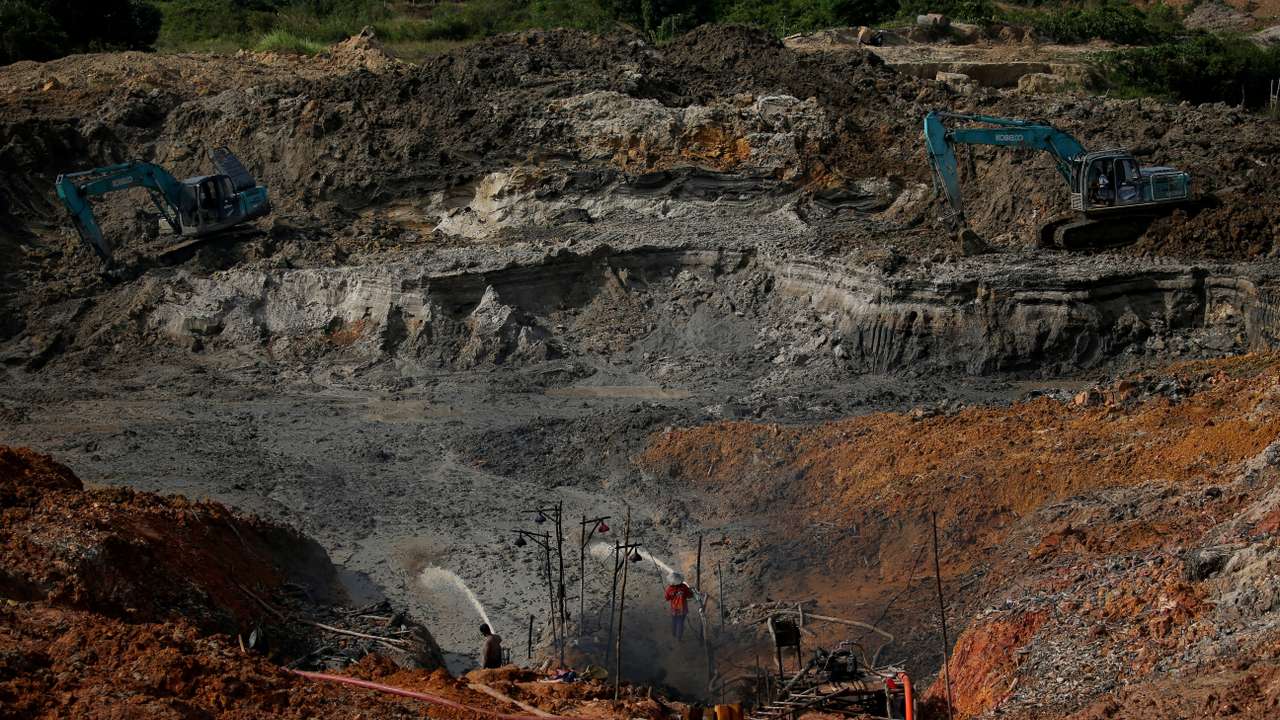
Liberia is losing vast sums in potential revenue from its mineral wealth due to weak laws, poor oversight and long-standing loopholes that favour foreign mining companies, a leading legal expert has warned.
Speaking at the Liberia National Bar Association’s annual convention in Ganta, natural resource lawyer Cllr. Marck M. M. Marvey said Liberia’s extractive sector remains “one of the most poorly managed in West Africa”, despite decades of iron ore, gold and diamond exports.
Citing data from the Liberia Extractive Industries Transparency Initiative (LEITI), Marvey said ArcelorMittal Liberia generated US$1.21bn between 2009 and 2022, yet the government received only US$138m, about 11% of total earnings. He added that unprocessed iron ore continues to be shipped out of the country and that gold and diamonds uncovered during operations are often exported without proper reporting.
“Foreign companies are eating Liberia alive,” he said. “It is the responsibility of lawyers to help close loopholes that allow this exploitation to continue,” Daily Observer quotes.
Marvey pointed to Yekepa, once envisioned as a model mining community, as evidence of the sector’s failures. Despite more than 20 years of operations, the town remains largely abandoned, housing blocks have collapsed, water systems no longer function, and key infrastructure, including parts of the Mount Tokadeh rail line, is deteriorating.
Meanwhile, ArcelorMittal is reported to have increased production, using longer, heavier trains, raising concerns that government losses may be rising, not falling.
Marvey said Liberia’s legal framework allows multinational companies wide latitude. Concession agreements often lack enforcement mechanisms, and agencies tasked with monitoring mining operations remain under-resourced.
He also described the emerging carbon credit sector as “poorly regulated.” Liberia has no dedicated law governing carbon trading, and only 10% of carbon revenue is required to be paid into state coffers.
Marvey urged the legal community to take a more active role in safeguarding Liberia’s resources, saying the country needs stronger laws, tighter oversight and more consistent enforcement.
This story is written and edited by the Global South World team, you can contact us here.