In Vietnam, New Year ushers in new laws
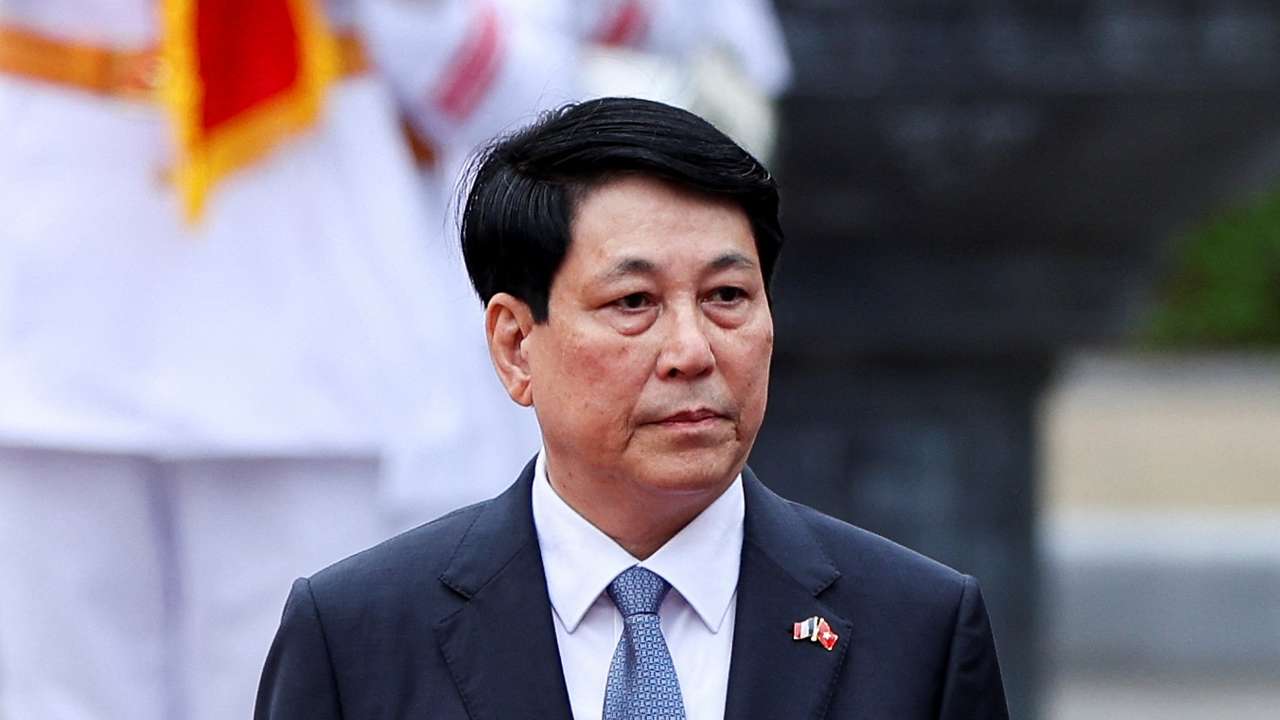
As Vietnam rang in the New Year, a sweeping set of new laws quietly came into force, bringing in changes to how the southeast Asian country regulates work, data, education and emerging industries in 2026.
From January 1, more than a dozen major pieces of legislation took effect simultaneously.
One of the most closely watched measures elevates teachers’ pay across the public sector. Under a new law governing the profession, teachers are now placed at the top of the public administrative salary scale, a move authorities have framed as recognition of the role education plays in national development.
The law introduces higher allowances for educators working in preschools, remote and disadvantaged areas, ethnic minority regions and specialised institutions.
Education officials said the incentives are intended to address staffing shortages and improve retention in regions that have long struggled to attract qualified teachers.
Vietnam has also tightened its grip on personal data, as a standalone data protection law took effect amid growing concern over privacy and digital security. The legislation grants individuals explicit rights over their personal information, including the right to refuse or withdraw consent for data processing and to seek legal redress if their data is misused.
Companies handling personal data will now face clearer legal obligations, aligning Vietnam more closely with international standards.
There were also changes to employment law. New provisions expand state support for job creation, reskilling and self-employment, particularly in technology-driven and green sectors.
In a significant development for migrant workers, all Vietnamese citizens working overseas under contracts will now be eligible for preferential loans, replacing a more limited system that excluded many low-income applicants.
The legal overhaul also extends beyond domestic policy.
A new law governing participation in United Nations peacekeeping operations establishes a permanent legal framework for Vietnam’s overseas deployments, covering both military and civilian personnel.
At the same time, a revised juvenile justice law places greater emphasis on rehabilitation rather than punishment, expanding the use of community-based measures and educational programmes for minors in conflict with the law.
Perhaps the most strategic of the new statutes is a law dedicated to the digital technology industry, which aims to position Vietnam as a regional hub for semiconductors and artificial intelligence. The law introduces formal definitions and incentives for digital enterprises, marking a rare attempt to legislate an entire sector into existence.
Together with changes to budget rules, energy regulation, transport and industrial standards, the laws mark one of Vietnam’s most extensive legislative resets in years.
This story is written and edited by the Global South World team, you can contact us here.