Indonesia's new criminal code requires public oversight, minister says
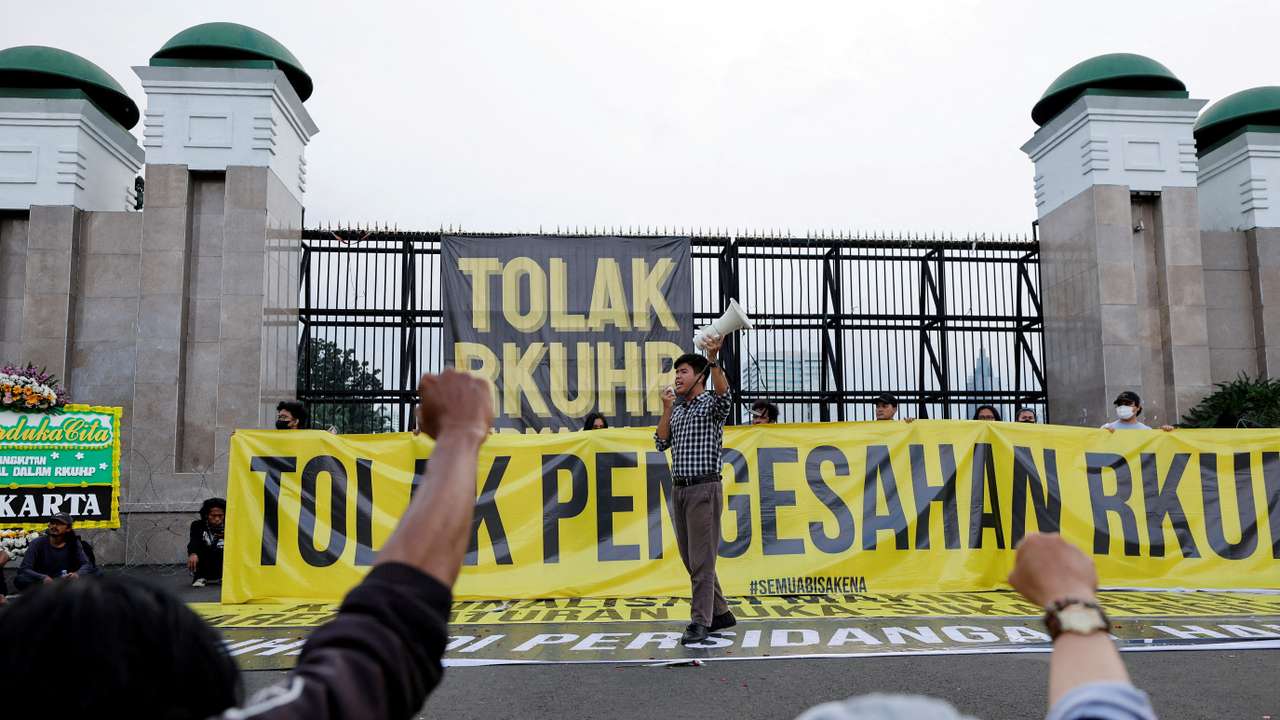
Indonesia's new criminal code, which will make crimes of premarital sex and insulting the state when it takes effect on January 2, will need public oversight to help prevent abuse of the law, a government minister told Reuters.
The 345-page code was passed in 2022 and replaces a set of laws established during Dutch colonial rule. Its broad definitions drew condemnation from democracy activists concerned it might harm civil liberties and free speech, and put government critics at risk of arrest.
Law Minister Supratman Andi Agtas said the overhaul of the law was timely, but acknowledged there was a risk of the new powers being abused by authorities.
"There will be that," he said over the phone on Tuesday, referring to potential abuses of the code. "We're not blind. But what's important is public control. Anything that's new will not be immediately perfect."
Decades in the making, the revisions to the criminal code were passed in then-President Joko Widodo's final term. At the time, then-U.S. Secretary of State Antony Blinken urged Widodo to reconsider some of the provisions.
The code was updated to reflect Indonesia's current legal and cultural norms, citing new policies such as a restorative justice system, Agtas said. "It's our own legal system ... different from other countries," he added.
'NEW COLONIAL SET OF LAWS'
The law criminalises sex outside marriage with a punishment of up to one year in jail, but only if a spouse, parent, or child of the alleged offender makes a complaint. Currently, only adultery is a crime in Indonesia.
The reporting requirement has eased tourism industry concerns that foreigners could be caught by the law, said Hariyadi Sukamdani, chairman of the Confederation of Indonesia Tourism Association.
Insulting the president or state agencies may result in a prison term of as many as three years under the new law, while people disseminating communism or other ideologies "that are against" Indonesia's state ideology face up to four years in jail.
The new code's definition of "attacking honour or dignity", which it says is where a reputation or self-worth is damaged, includes actions such as libel or defamation.
Asfinawati, a legal expert who goes by one name, said this week that the definition of insults was among the broad provisions that raised concerns for free speech and activist groups.
"This is a new colonial set of laws, made by our own," she said, adding the expansive nature of the code did not guarantee that officials would properly apply it.
Agtas said law officers had been briefed about the new code, and along with a separate criminal procedure code set to take effect on Friday, there were guardrails intended to prevent power abuses.
This article was produced by Reuters news agency. It has not been edited by Global South World.