Indonesian scientists ‘erased’ in Oxford study, fueling debate on Western bias
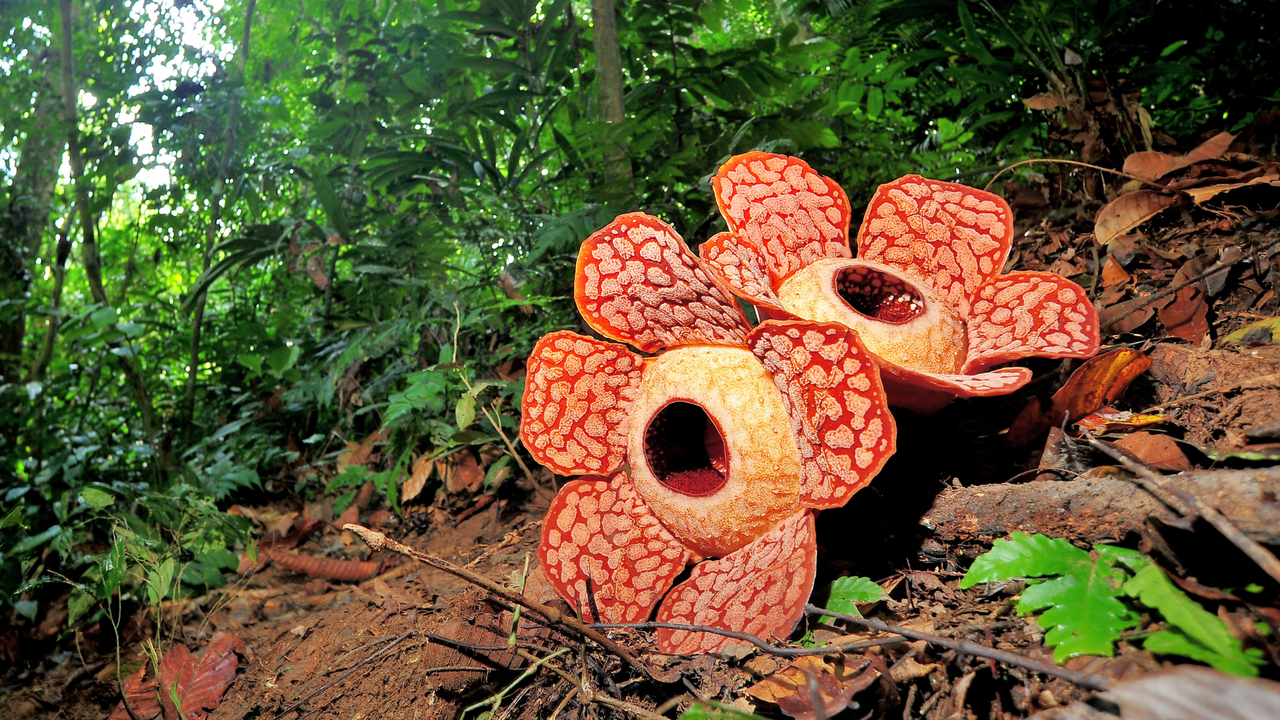
The rediscovery of a rare rafflesia species in West Sumatra should have been a straightforward scientific success story. Instead, it has sparked a debate about academic colonialism and the visibility of researchers from countries like Indonesia, who often play central roles in fieldwork but are sidelined in international publicity.
The controversy began when the University of Oxford posted a video celebrating the rediscovery of Rafflesia hasseltii — locally known as cendawan muka rimau — found on November 19 in the Sumpur Kudus community forest in Sijunjung regency.
While the clip showed members of the joint expedition, its caption omitted any mention of the Indonesian researchers who helped make the find.
Bengkulu conservationist Septian Andriki, Oxford botanist Chris Thorogood and BRIN researcher Joko Ridho Witono located the bloom with guidance from local forest ranger Iswandi.
The work is part of the Community for the Conservation and Research of Rafflesia (CCRR), a global partnership that also includes Indonesian experts such as University of Bengkulu botanist Agus Susatya.
Oxford reposted footage originally shared by Septian and Thorogood, but the caption’s failure to credit the Indonesian team triggered criticism on social media. Viewers accused the university of marginalising local scientists and sidelining Global South partners.
Thorogood and Septian said they were unaware of the backlash at first, as they were travelling without mobile reception. Once informed, Thorogood asked Oxford to update the post to acknowledge Septian, which the university did.
He later emphasised that rafflesia research “is collaborative and celebrates everyone involved,” adding that institutions must communicate in ways that reflect shared ownership.
In a written statement, Oxford said it had worked with Indonesian partners since 2022 to document and conserve rafflesia species, describing its local collaborators as “conservation heroes."
On November 27, the university published a follow-up video explicitly thanking Indonesian researchers, in what appeared to be an effort to repair relations.
Cases of Global South researchers not receiving proper recognition remain common, according to Perdana Roswaldy of Monash University Indonesia. He noted that the issue forms part of a long-standing historical pattern in which Western scientists are foregrounded while local contributors are relegated to footnotes.
Indonesian scholars argue that breaking these patterns requires action at home as well as abroad. Sociologist Fathun Karib of the National University of Singapore said local researchers must recognise their own labour and challenge unfair arrangements.
Many, he added, do not see themselves as workers within a global system of knowledge production, making it harder to contest imbalances.
This story is written and edited by the Global South World team, you can contact us here.