Italy says Germany and other countries may be interested in GCAP jet programme
- #Americas
- #Asia
- #Pacific
- #Australia
- #New Zealand
- #Central
- #Eastern Europe
- #CIS Countries
- #Conflicts
- #War
- #Peace
- #Defense
- #Military Procurement
- #Diplomacy
- #Foreign Policy
- #East Asia
- #Europe
- #Middle East and Africa
- #Emerging Market Countries
- #Euro Zone
- #Middle East
- #North America
- #North Asia
- #government
- #Politics
- #South-West Asia
- #Gulf
- #Military Conflicts
- #Western Europe
- #Americas
- #Asia
- #Pacific
- #Australia
- #New Zealand
- #Central
- #Eastern Europe
- #CIS Countries
- #Conflicts
- #War
- #Peace
- #Defense
- #Military Procurement
- #Diplomacy
- #Foreign Policy
- #East Asia
- #Europe
- #Middle East and Africa
- #Emerging Market Countries
- #Euro Zone
- #Middle East
- #North America
- #North Asia
- #government
- #Politics
- #South-West Asia
- #Gulf
- #Military Conflicts
- #Western Europe
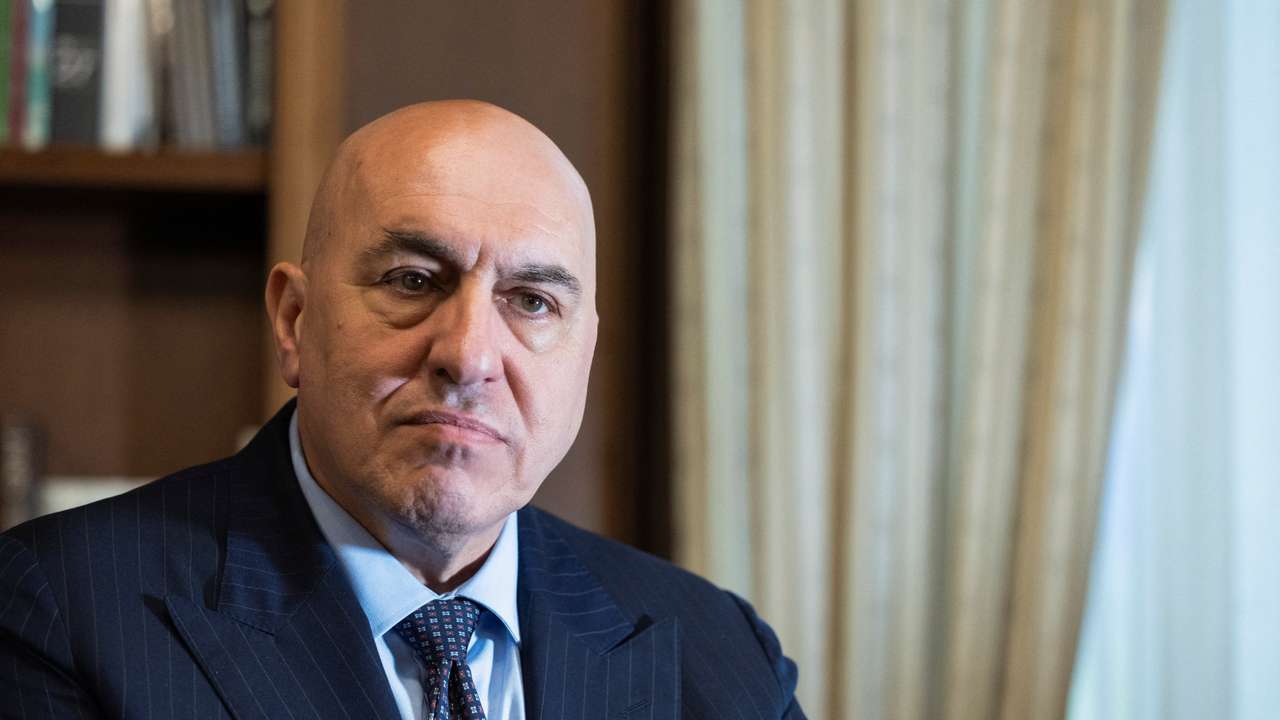
Italy's defence minister on Thursday said other countries, including Germany and Australia, may be interested in entering the GCAP fighter jet programme in the future, with requests also coming from Saudi Arabia and Canada.
The GCAP, which currently involves Italy, Britain and Japan, is an effort to build a next-generation fighter by 2035 and is being led by Mitsubishi Heavy Industries in Japan, BAE Systems in Britain and Leonardo in Italy.
"Germany could probably join this project in the future," Defence Minister Guido Crosetto told a parliamentary hearing.
Germany is part of the 100-billion-euro ($117 billion) Future Combat Air System (FCAS) programme, which includes France and Spain and has been mired in disputes between the companies involved over workshare and prized technology.
"We are creating the conditions to ensure that every country that wants to join this programme knows what path to follow," Crosetto told lawmakers, adding he believed "Australia may also be interested" in joining the GCAP venture.
The project envisions stealth fighters operating in tandem with drones, and Crosetto stressed that the three founding nations had agreed to cooperate on equal terms.
"The more countries join, the greater the critical mass you can invest in, the more brain power you can bring together, the greater the economic return, and the less it costs us," the minister said.
This article was produced by Reuters news agency. It has not been edited by Global South World.