Jakarta overtakes Tokyo as world’s most populous city
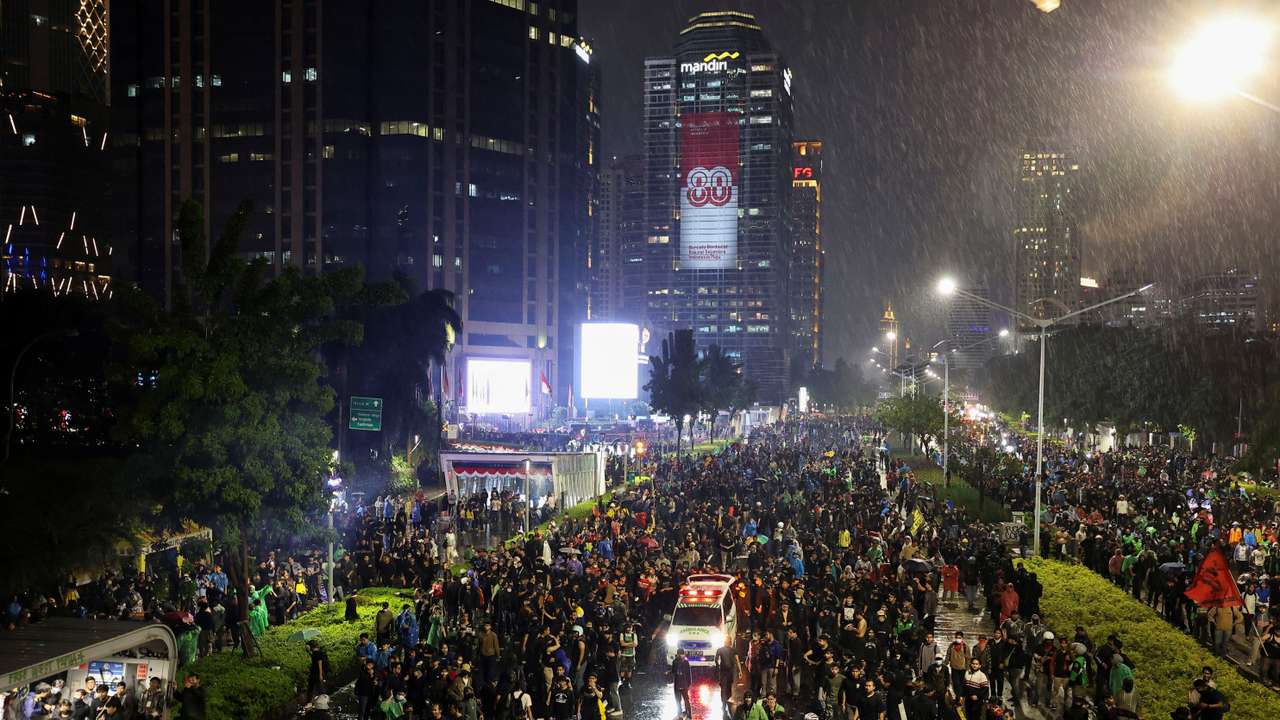
Tokyo has been dethroned as the world’s most populous megacity, slipping to third place after decades at the top, according to newly released United Nations figures tracking global urban growth.
Jakarta, the Indonesian capital, now holds the No. 1 position with nearly 42 million residents, overtaking Tokyo’s 33.4 million.
Dhaka, the capital of Bangladesh, has risen to second place with a population of almost 37 million and is projected to become the world’s largest urban center by 2050.
Experts note that the shift highlights the rapid population expansion in parts of South and Southeast Asia, where cities are swelling at unprecedented rates.
According to the UN report, the number of megacities — defined as having populations exceeding 10 million — has quadrupled from just eight in 1975 to 33 in 2025. The majority of these are concentrated in Asia.
In 1950, only around 20% of the global population lived in cities; today that figure has risen to 45%. By contrast, Dhaka and Jakarta have expanded at more than seven and five times the pace of Tokyo’s growth since 2000.
Projections suggest Dhaka will continue its upward trajectory, reaching more than 52 million inhabitants by 2050, narrowly edging out Jakarta by around 300,000 people. Tokyo, meanwhile, is expected to drop to seventh place, overtaken by rapidly expanding cities such as Shanghai and New Delhi.
While the total number of megacities worldwide is expected to rise from 33 to 37 by 2050, none of the new entrants will be European. London, Istanbul and Moscow are set to remain the continent’s only megacities, with London ranking 33rd globally.
London’s population is forecast to increase by around 1.5 million over the next quarter century, but the UN highlights that the capital is an outlier. Most British cities fall within the global norm of small to mid-sized urban centres.
Despite the dominance of sprawling megacities in headlines, the report emphasises that the vast majority of urban areas remain relatively small: 96% have fewer than one million residents, and 81% fewer than 250,000.
Worldwide, 36% of people live in towns and 19% in rural communities.
This story is written and edited by the Global South World team, you can contact us here.