Kenya repatriates 119 nationals from Myanmar scam compounds as Southeast Asia cybercrime crisis deepens
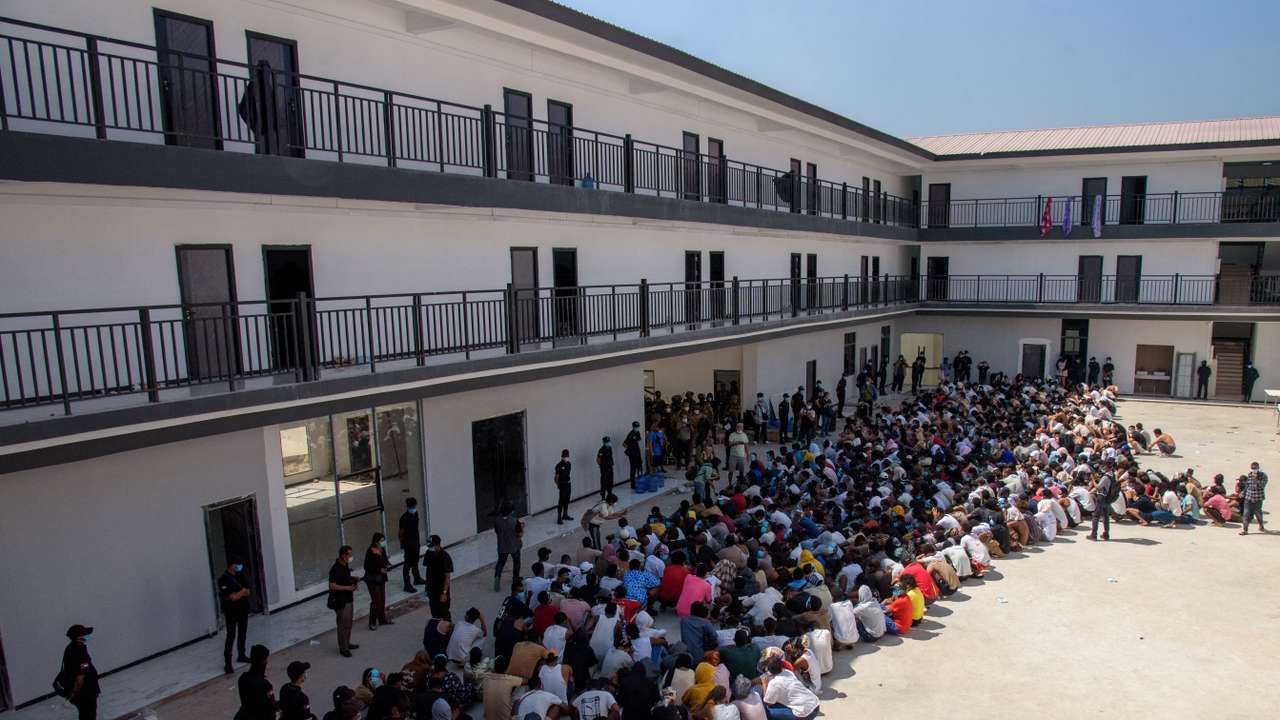
The Government of Kenya has repatriated 119 of its nationals who were recently rescued from scam compounds in Myanmar.
The repatriation follows coordinated raids by Myanmar authorities and rebel groups targeting criminal syndicates in remote areas of Karen State, close to the Thailand border.
In a statement released on Monday, December 22, the State Department for Diaspora Affairs confirmed the successful return of the individuals.
"A total of 119 Kenyans have been successfully repatriated following recent raids by Myanmar authorities and rebel groups, with efforts ongoing to secure the return of the remaining Kenyans amid complex regional dynamics," the department said.
The ministry noted that more than 200 other Kenyans remain stranded in the region. "Over 200 Kenyans were left behind and sought refuge in military shelters in Myawaddy and Shwe Kokko, while another group of over 100 Kenyans crossed into Thailand," the statement read.
The September 2025 raids reportedly led to arrests, seizures, bombings, and demolitions of the illegal camps, triggering violent confrontations between Myanmar government forces and rebel factions. As a result, many of the criminal operators fled, abandoning hundreds of foreign workers.
According to the Kenyan government, it responded promptly upon receiving an initial list of 126 affected citizens. It activated several measures through the Ministry of Foreign Affairs and the Kenyan Embassy in Bangkok. The government also facilitated transportation and airport arrangements for the returnees.
Currently, 198 Kenyans are still in the region. This includes 66 individuals at Thailand’s Immigration Detention Centre, 129 in shelters inside Myanmar, and three in a Catholic safe house in Cambodia, the government disclosed.
Southeast Asia has increasingly become a hotbed for online scam networks estimated to generate billions of dollars.
British journalist David Whitehouse, who has investigated cybercrime in the region, expressed concern about trafficking operations targeting African youth. “African youth, particularly English-speaking job seekers, are being increasingly targeted by traffickers linked to scam compounds,” Whitehouse told Global South World.
A report by Amnesty International, released in June and titled “I Was Someone Else’s Property”, documented 53 scamming compounds in Cambodia. It featured testimonies from 58 survivors of eight different nationalities, including nine children.
“Survivors of these scamming compounds describe being trapped in a living nightmare – enlisted in criminal enterprises that are operating with the apparent consent of the Cambodian government,” Amnesty International’s Secretary General Agnes Callamard said.
“Jobseekers from Asia and beyond are lured by the promise of well-paid work into hellish labour camps run by well-organised gangs, where they are forced to scam under the very real threat of violence.”
This story is written and edited by the Global South World team, you can contact us here.