Leaving the IMF ‘with dignity’: Can Ghana stand on its own after exit?
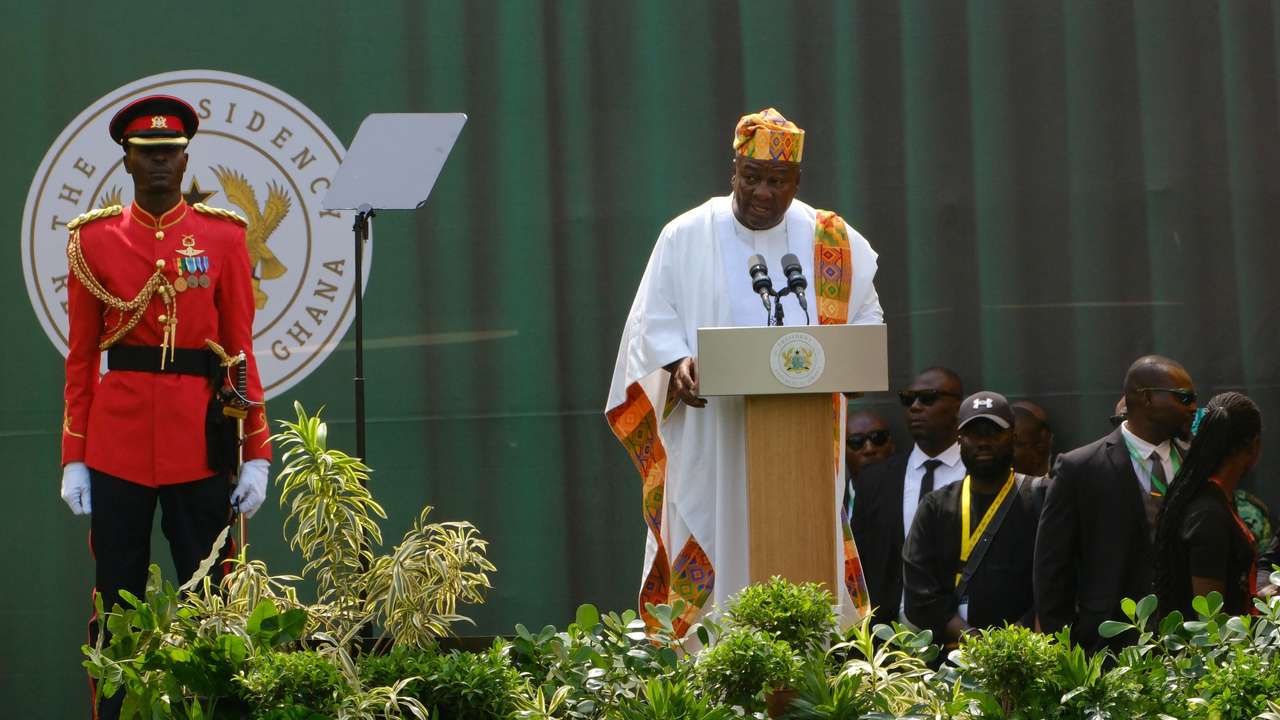
Ghana says it is preparing to leave its International Monetary Fund (IMF) programme “with dignity”, after an ease in the country’s worst economic turbulence. President John Dramani Mahama has framed the imminent exit as a return to economic sovereignty.
Ghana entered a three-year IMF-supported programme in 2023 after inflation surged above 50%, the cedi collapsed, and public debt became unsustainable. The deal was meant to stabilise the economy, restore investor confidence and unlock additional financing from development partners.
In return, Ghana committed to tough reforms, including spending restraint, debt restructuring and tighter fiscal controls, measures that helped slow inflation and calm currency markets but also raised concerns about social costs and policy constraints.
In his New Year address on January 1, 2026, President Mahama said those reforms are now bearing fruit. Inflation has eased sharply from its 2024 highs, the cedi has stabilised, and debt renegotiations with creditors have been completed on what he described as “sovereignty-protecting” terms.
“We are beginning the process of exiting the IMF programme with dignity, not as supplicants, but as partners,” he said, arguing that Ghana no longer needs to rely on emergency external support to manage its finances.
Government officials say improved revenue collection, tighter budget discipline and renewed business confidence have strengthened the foundations for growth in sectors such as agriculture, manufacturing and construction.
What ‘exit with dignity’ really means
Leaving the IMF does not mean Ghana will cut ties with the institution. Instead, it is a desire to move away from programme conditionalities while maintaining credibility with lenders and investors.
For the government, “dignity” means exiting from a position of relative stability rather than crisis, with inflation under control, debts restructured and fiscal buffers slowly rebuilding.
This story is written and edited by the Global South World team, you can contact us here.