Liberia Roundup: US$176 million health cooperation, Sweden to end bilateral aid, US$1.25 billion draft budget
US, Liberia sign US$176m health cooperation agreement
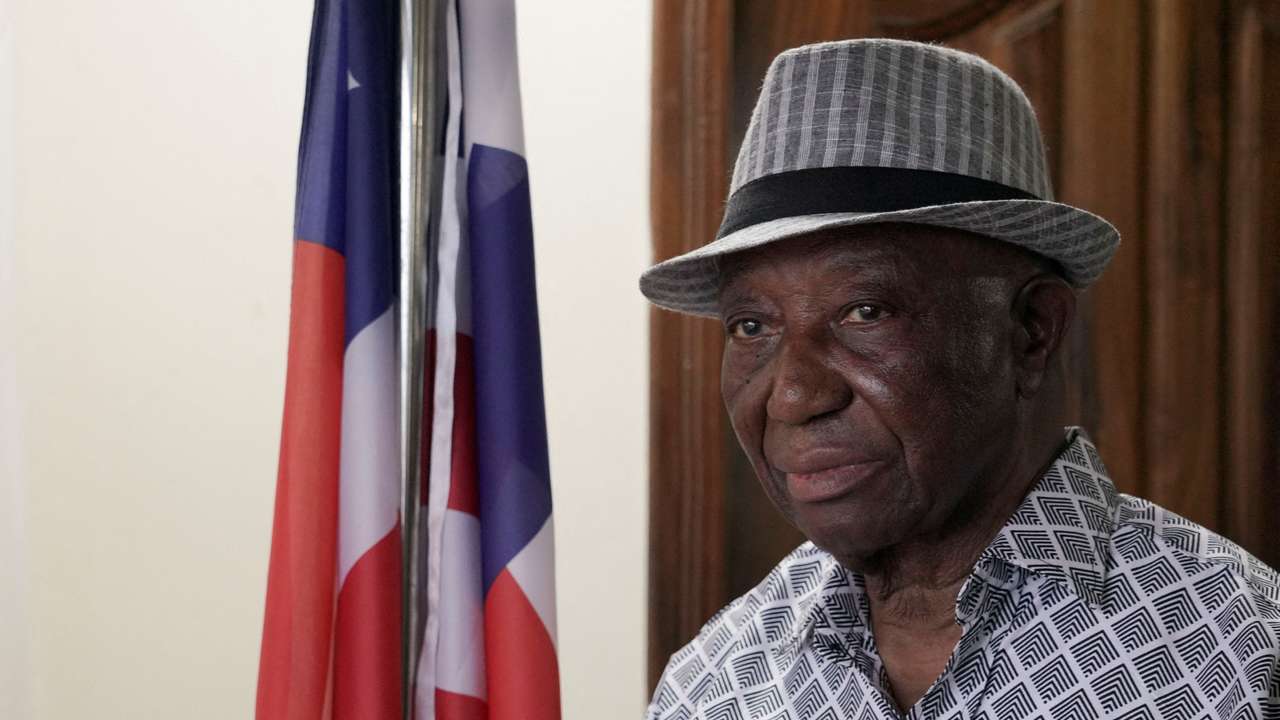
The United States and Liberia have signed a five-year, US$176 million bilateral health cooperation Memorandum of Understanding, marking a major step toward implementing the America First Global Health Strategy. Under the deal, Washington will provide up to US$125 million in health assistance over five years to support HIV/AIDS, malaria, maternal and child health, and global health security. Liberia, in turn, will increase domestic health financing by nearly US$51 million, assuming more responsibility for its national health system, the New Dawn reports. The agreement comes as Liberia shows measurable progress, advancing toward the 95-95-95 HIV targets, cutting malaria incidence by over 30%, and improving laboratory and surveillance systems. The MOU aims to strengthen government-to-government cooperation and modernise health systems. Similar multiyear agreements will be rolled out with other partner countries in the coming weeks.
Boakai declares Unity Party ‘stronger than ever’
President Joseph Nyuma Boakai says the Unity Party has emerged more united and resilient after years of political turbulence, declaring the party “stronger, more united, and more purposeful than ever.” Speaking at the UP’s Homecoming, Fundraising, and Headquarters Dedication Ceremony, Boakai recalled the party’s painful eviction from its former headquarters in 2021, a moment many believed would mark its collapse. “But they were wrong,” Boakai said. “We reorganised, we endured, and today we stand here not in defeat but stronger,” Liberian Observer quotes. He honoured the party’s founding fathers and remembered supporters killed in tragedies following UP rallies in 2023, describing them as “part of our story, our struggle, and our soul.”
Sweden to end bilateral aid, close Monrovia embassy in 2026
Sweden has announced it will end bilateral development aid to Liberia and close its Monrovia mission by 2026 in a major restructuring of its global development strategy. The move will phase out US$149.6 million in ongoing programs, equivalent to 12.4% of Liberia’s national budget, across governance, energy, education, agriculture, and health. Stockholm emphasised the decision is budget-driven and not a response to any internal developments in Liberia. Sweden will shift support to multilateral channels, EU funding, and future trade partnerships. More than 30 active Swedish-funded projects, including energy access, women’s empowerment, decentralisation, and rule-of-law initiatives, will undergo an “orderly wind-down.”
US$1.25 billion draft budget
The House of Representatives has passed the 2026 National Budget, amounting to L$247 billion, equivalent to US$1,249,665,191.15, marking the end of the second session of the 55th Legislature’s third quarter. The financial framework is fully balanced, with core and contingent revenues matching planned expenditures. The Joint Committee on Ways, Means, and Public Accounts reported discovering an additional US$38.8 million in potential revenue during scrutiny. The budget now moves to the Senate for concurrence.
Digital mineral rights application system
The Ministry of Mines and Energy has rolled out a fully digital mineral rights application platform, replacing Liberia’s manual, paper-based system with an online, transparent, investor-friendly interface. The system allows applicants to submit, renew, and track mineral rights remotely, significantly reducing bureaucratic delays and travel costs. Deputy Ministers Franseth Mulbah and William Hines hailed the launch as a transformative step toward aligning Liberia’s mining governance with global best practices. The system integrates with the Liberia Revenue Authority for online payments and is designed to curb corruption through reduced human discretion and verifiable digital records.
This story is written and edited by the Global South World team, you can contact us here.