María Corina Machado: What to know about Venezuela’s new Nobel Peace Prize laureate
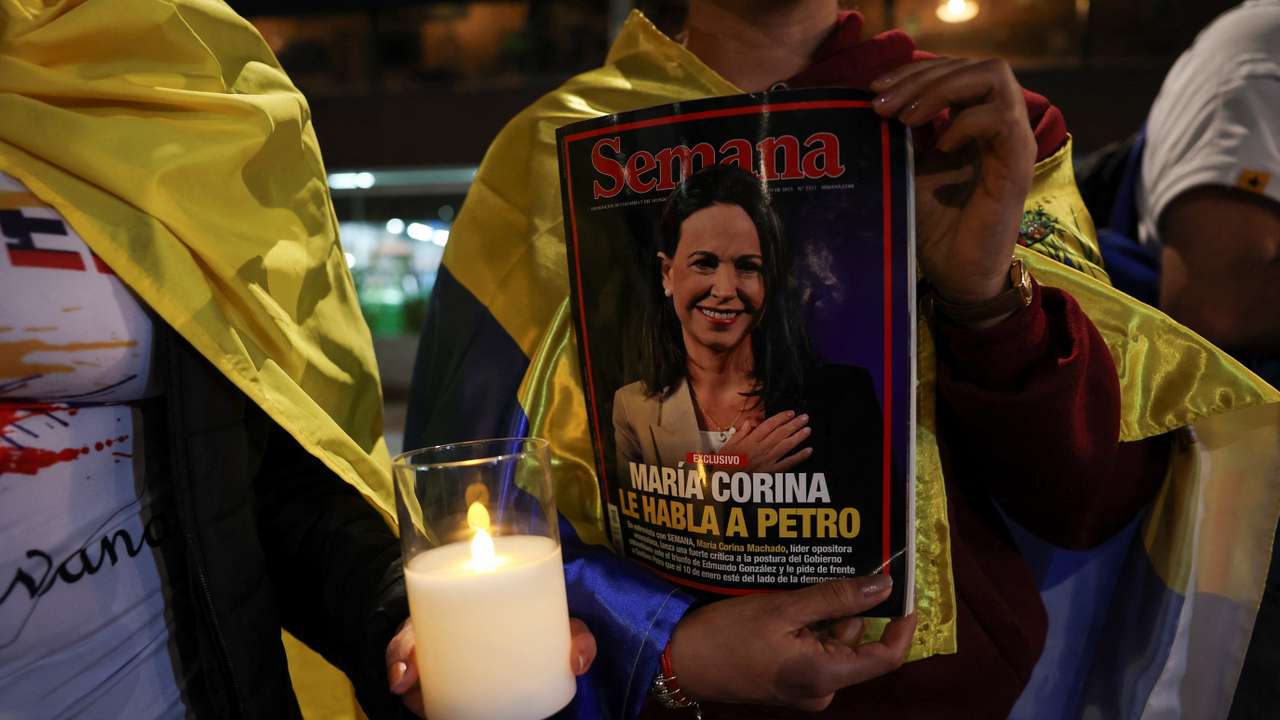
María Corina Machado, one of Venezuela’s most prominent opposition figures, was awarded the 2025 Nobel Peace Prize for what the Norwegian Committee described as her “non-violent efforts to restore democratic rights” in a country facing prolonged political and economic crisis.
The decision placed Venezuela back in the global spotlight, highlighting the ongoing struggle over its democratic future.
Machado, born in Caracas in 1967, rose to prominence in the early 2000s after co-founding Súmate, an organisation dedicated to monitoring elections and promoting civic participation. She later entered the National Assembly, becoming one of the government’s most vocal critics until she was removed from her seat in 2014 after speaking before the Organisation of American States. Her political influence resurfaced strongly in 2023, when she emerged as the leading voice of a fragmented opposition.
Her Nobel recognition comes after years of disqualification, pressure and threats from the Venezuelan government. Despite being barred from running in the 2024 presidential election, Machado helped rally opposition movements behind a single candidate and continued advocating for peaceful political change. The Nobel Committee emphasised this commitment to civil resistance and democratic engagement as central to her selection.
Internationally, the award has drawn renewed attention to Venezuela’s political trajectory. Several governments and human rights organisations have interpreted the prize as a signal of support for democratic actors within the country, though it does not directly alter the political balance of power. For many observers, the recognition serves as a reminder that Venezuela’s crisis remains unresolved and continues to have implications for regional stability, migration flows and human rights.
Inside Venezuela, reactions have been sharply divided. Supporters see the prize as validation of Machado’s leadership at a time when political organising faces significant restrictions. Government officials, meanwhile, dismissed the award as foreign interference, repeating long-standing accusations that Machado represents external interests.
Although the Nobel Peace Prize does not offer political guarantees, it provides Machado with a higher international profile and a platform that may shape Venezuela’s opposition movement in the coming years. How this visibility translates into political influence will depend on internal dynamics, ongoing negotiations and the government's response in the months ahead.
This story is written and edited by the Global South World team, you can contact us here.