Military takeovers of 2025 that shaped the Global South
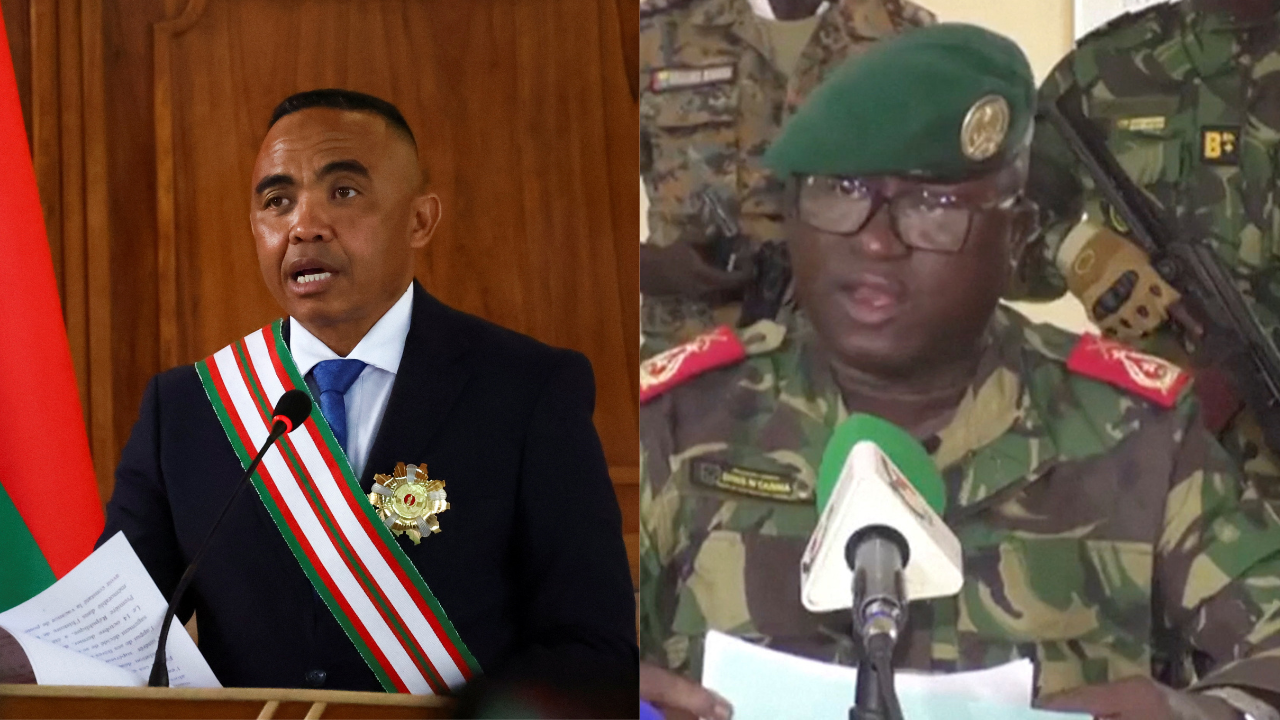
The Global South has experienced some of the worst military takeovers in the last few years, and 2025 was no exception.
Just when it was perceived that this year would be different, the African continent experienced two successful coup d'etats in Madagascar and Guinea-Bissau.
These two countries join a host of others, like Niger, Burkina Faso, Mali and Gabon, among others.
Madagascar
After weeks of violent and deadly protests powered by Madagascan Gen Z over alleged corruption, the country's Army Personnel Administration Centre (CAPSAT) seized the sovereign power led by Colonel Michael Randrianirina. The Gen Z demonstrations grew beyond service issues into a broader rejection of the leadership of then-President Andry Rajoelina, who became the world's youngest head of state at 34 through a coup in 2009. The situation reached a tipping point when an elite military unit defected and joined the protesters, refusing orders to fire on civilians, effectively cutting Rajoelina off from core state security support.
This shift in military allegiance significantly undermined his ability to remain in power. Facing explicit threats to his life amid the rebellion and the loss of military backing, Rajoelina left Madagascar for a “safe location,” later confirmed to be outside the country, while claiming an attempted illegal power grab was underway. Colonel Michael Randrianirina has been in power since declaring a two-year transition exercise.
Guinea-Bissau
Army officers in Guinea-Bissau announced on Wednesday, November 26, that they had deposed President Umaro Sissoco Embaló, accusing him of mismanaging the political crisis and undermining democratic stability. The officers declared that the existing government had been dissolved and pledged to restore order and constitutional governance, though details about a transition timeline were not immediately clear. The announcement came amid heightened tensions following contested elections on the 23rd and reflected longstanding military influence over the country’s political landscape.
On the same day, sustained gunfire erupted near the national election commission headquarters amidst tensions over a tightly contested presidential election, with residents fleeing the area as shots were heard near multiple government buildings. The outbreak of gunfire occurred just as provisional results were expected. However, protesters took to the streets in Guinea-Bissau on Friday, December 12, to denounce the military coup and demand the restoration of democratic governance, highlighting deep public frustration with the political instability that has plagued the country.
Benin could have become the third country, but for the swift intervention of Nigeria and the country's loyalist forces that protected President Patrice Talon's sovereignty. Armed soldiers went on national television on December 7 to declare they had taken power in a coup, but by evening, the situation had calmed, and everywhere was clear.
Since August 2020, Africa has experienced ten coups.
This story is written and edited by the Global South World team, you can contact us here.