‘More dangerous’ 2026 seen for Indo-Pacific
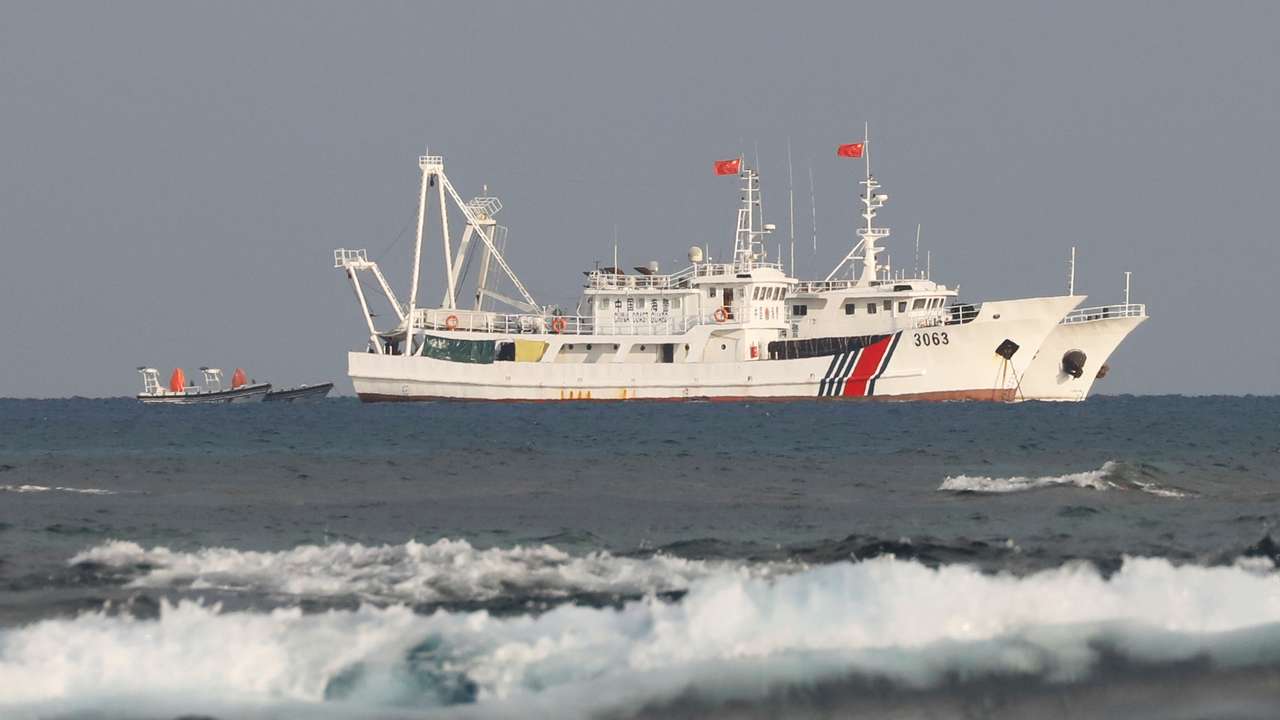
Tensions in the Indo-Pacific are expected to escalate in 2026 as the United States and China expand military activity around Taiwan and in disputed areas of the South China Sea, according to a veteran defence journalist.
Pulitzer Prize-winning reporter Manny Mogato said increased naval and air deployments by both powers are likely to lead to more frequent close encounters.
This was as Beijing is expected to step up military drills around Taiwan next year, including large-scale maritime exercises and air operations near the island’s airspace.
Taiwan, which China regards as part of its territory, remains a central strategic objective for Beijing as the People’s Liberation Army approaches its 100th anniversary.
The heightened activity around Taiwan could have spillover effects across neighbouring areas, including parts of the Philippines’ Air Defence Identification Zone, given Manila’s proximity to the island and its location along key regional sea lanes.
Mogato said a shift in control over Taiwan would significantly alter the balance of power in the western Pacific, potentially allowing China to project military force beyond what US planners describe as the first island chain. This is the area stretching from Japan through Taiwan and into the northern Philippines.
Closer to Philippine waters, Mogato identified the West Philippine Sea as another potential flashpoint in 2026, citing Scarborough Shoal and Sabina Shoal as areas where tensions could intensify amid competing patrols and operations.
For Manila, both shoals are regarded as strategic red lines. Philippine officials have warned that losing access would threaten national security, disrupt fishing livelihoods and complicate resupply missions to Philippine-held features, including the grounded BRP Sierra Madre at Second Thomas Shoal.
Amid the rising tensions described by Mogato, Washington has moved to strengthen defence ties with Manila. The US Congress this month approved $3.5 billion in security assistance for the Philippines under the 2026 National Defense Authorization Act.
The package includes $500 million a year in Foreign Military Financing from 2026 to 2031, as well as $1 billion in long-term defence loans. Despite the assistance, Philippine defence spending remains relatively low, with the defence budget set at about $5 billion next year, or less than 1% of gross domestic product.
Recent incidents underscore the volatility Mogato warned about. Philippine authorities said a Chinese frigate was detected loitering about 40 nautical miles off Capones Island in Zambales, prompting the navy to deploy warships to monitor and escort the vessel away.
Mogato said such encounters are likely to become more frequent in 2026 as the United States and China continue to test each other’s resolve, placing the Philippines in an increasingly exposed position amid intensifying regional competition.
This story is written and edited by the Global South World team, you can contact us here.