Panama Roundup: Fuel policy shift, bridge ruling, canal allegations
Government proposes mandatory ethanol in gasoline and tax changes
Panama’s government has proposed a shift in fuel policy that would make ethanol blending mandatory in gasoline and introduce accompanying fiscal adjustments for fuel products. According to officials, the initiative aims to reduce carbon emissions, support agricultural sectors that produce biofuel feedstocks, and align energy policy with environmental commitments. The proposal would reshape the current fuel taxation scheme, though exact blend ratios and timelines are yet to be finalised. Lawmakers and industry stakeholders are now reviewing the plan, with debates expected over costs, infrastructure readiness and impacts on consumers and transport sectors. Critics caution that mandatory ethanol could raise fuel prices if implementation is not carefully managed.
Court upholds Ministry of Public Works fine against Fourth Bridge consortium
Panama’s Third Chamber of the Supreme Court has ruled that a fine imposed by the Ministry of Public Works (MOP) on the consortium responsible for the Fourth Bridge project is not illegal. The court found that the sanction, related to contractual compliance issues, fell within legal bounds and did not violate due process. The decision was welcomed by the MOP as an affirmation of the government’s authority to enforce infrastructure contracts, but it drew scrutiny from the contractor, which has argued that the penalty was disproportionate. The ruling could affect future infrastructure disputes and reinforces legal oversight on major public-private projects. Legal experts say the case highlights the judiciary’s role in balancing state interests and investor rights.
Allegations surface over “secret” Panama Canal expansion project
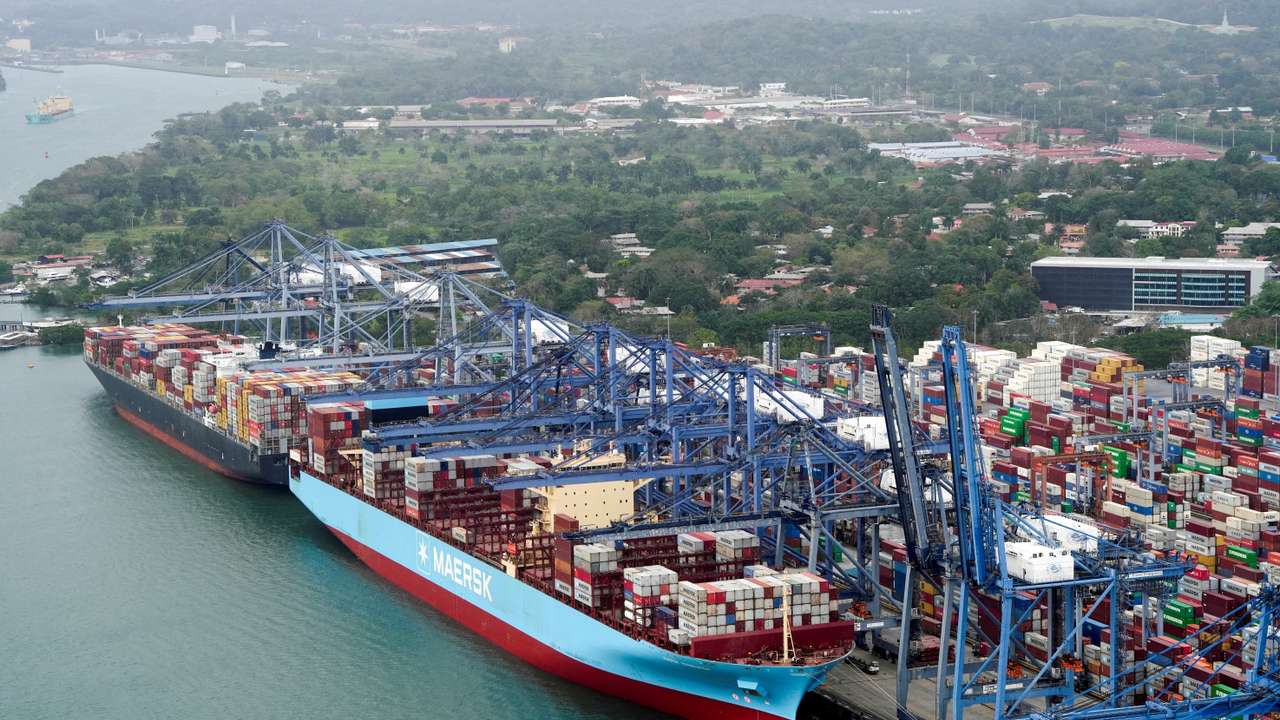
Reports have emerged alleging a secret project linked to the Panama Canal expansion, suggesting that undisclosed plans may be underway for additional waterway works beyond the official multipurpose programme. Critics and analysts argue that if true, such covert initiatives could divert resources and undermine transparency in one of the country’s most strategic assets. Government agencies and canal authorities have not publicly confirmed the specifics of the alleged project, but the discussion has intensified scrutiny of governance practices and public communication surrounding canal operations. Panama’s waterway is central to national income and global shipping, so any suggestion of hidden plans draws considerable attention from civil society and economic stakeholders.
Trade deficit with Mercosur hits US$490 million
Panama’s commercial deficit with Mercosur nations (a South American trade bloc including Argentina, Brazil, Paraguay and Uruguay) has reached approximately US$490 million, according to the latest statistics. Analysts attribute the imbalance to higher Panamanian imports of vehicles, electronics and manufactured goods from Mercosur countries compared to Panama’s exports in agriculture and services. Business associations are calling for renewed focus on export competitiveness and diversification to narrow the gap, while trade experts note that Panama’s strategic position as a logistics hub makes balanced trade with regional partners both a challenge and an opportunity. The deficit figure underscores ongoing structural trade issues that policymakers are seeking to address.
Preparations begin for the 2026 “Mil Polleras” parade
Organisers have begun finalising plans for the 2026 Mil Polleras Parade, a celebrated cultural event showcasing Panama’s traditional dress and folk heritage. Preparations include the rental of tarimas (stages/platforms) at a cost of about US$54,000, indicating the scale and logistical complexity of the festivities. The “Mil Polleras” event draws participants and spectators from across the country and abroad, highlighting regional costumes, music and dance. Officials say early planning is essential to ensure safety, scheduling and cultural programming, as well as to accommodate expected tourism. The parade remains a hallmark of Panamanian identity and civic pride.
This story is written and edited by the Global South World team, you can contact us here.