Colombia's Petro rejects COP30 declaration over fossil fuel omission
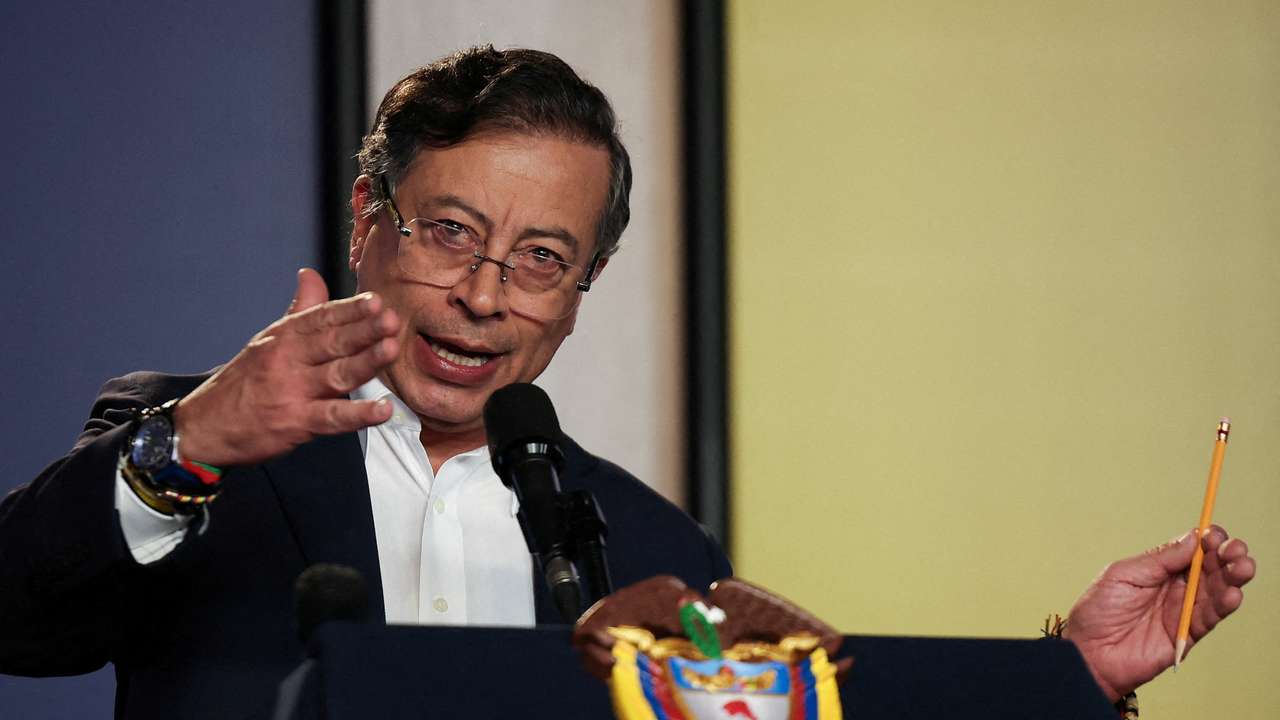
Colombian President Gustavo Petro has publicly rejected the final statement issued by COP30 in Belém, criticising it for omitting any clear commitment to phase out fossil fuels.
According to Petro, the omission is scientifically indefensible and undermines the moral urgency of the climate crisis.
Speaking via his X account, Petro argued that failing to explicitly name fossil fuels as the root cause of climate change amounts to hypocrisy. He insisted that human existence is only possible if the world transitions away from oil, coal and natural gas, in line with scientific evidence.
Petro was not alone in his objections. More than 80 countries had pushed for a binding fossil fuel exit roadmap during the COP30 talks but ultimately failed to secure a reference in the final agreement. The president’s climate team has described this as a betrayal of scientific consensus and a missed opportunity for a just energy transition.
Colombia’s acting Minister of Environment, Irene Vélez, threw her support behind Petro’s stance, affirming that the government will not yield on the principles of climate justice and scientific truth. She argued that stronger multilateral action and clearer targets are needed to avoid perpetuating dependency on fossil fuel capital.
Petro’s rebuttal to the COP30 declaration has sparked wider debate in Latin America and around the world about climate ambition. While the summit did result in a non-binding “Global Mutirão” agreement on accelerating climate action, critics like Petro say it lacks teeth, particularly without a roadmap to eliminate the fossil fuels most responsible for climate change.
This story is written and edited by the Global South World team, you can contact us here.