Somalia Roundup: US airstrikes, UN Security Council meeting on Venezuela, Somaliland tensions
US conducts airstrikes against ISIS in northern Somalia
The United States military said it carried out a series of airstrikes against Islamic State (ISIS) targets in Somalia between January 1 and 3, in coordination with the Somali federal government. According to US Africa Command (AFRICOM), the strikes hit ISIS positions near the Calmiskaad Mountains, about 70 kilometres southeast of Bosaso in the northeastern Bari region. US officials said the operation inflicted significant losses on the militant group. Since President Donald Trump took office in 2025, the United States has conducted more than 100 airstrikes in Somalia, mainly targeting ISIS and Al-Shabaab. AFRICOM said it would continue joint operations with Somalia as the country intensifies its own campaign against Al-Shabaab in southern and central regions, with support from international partners.
Somalia and African partners call for restraint on Venezuela at UN Security Council
Somalia, together with Liberia and the Democratic Republic of Congo, have called for restraint, dialogue and respect for international law during a UN Security Council session on the political situation in Venezuela. Speaking on behalf of the three African countries, known as the A3, Somalia underscored the need to uphold sovereignty and territorial integrity as outlined in the UN Charter. Somalia is presiding over the council for the month, while the three countries serve as Africa’s representatives on the 15-member body. The A3 warned that escalating tensions could destabilise the wider region and expressed solidarity with the Venezuelan people, reaffirming the African Union’s position in favour of peace and stability.
US confirms links between Somali UN envoy and healthcare firm
The United States government has confirmed that Somalia’s ambassador to the United Nations, Abukar Osman, is associated with a healthcare company previously implicated in Medicaid fraud. In a statement on X, US Deputy Secretary of Health and Human Services Jim O’Neill said Ambassador Osman is linked to Progressive Health Care Services, a home health agency in Cincinnati, against which US authorities had taken action following a Medicaid fraud conviction. The confirmation followed online speculation about the ambassador’s business interests in the United States, which gained attention after he confronted Israel’s deputy representative at the UN Security Council last month over Israel’s recognition of Somaliland.
Israel’s Somaliland visit sparks regional backlash
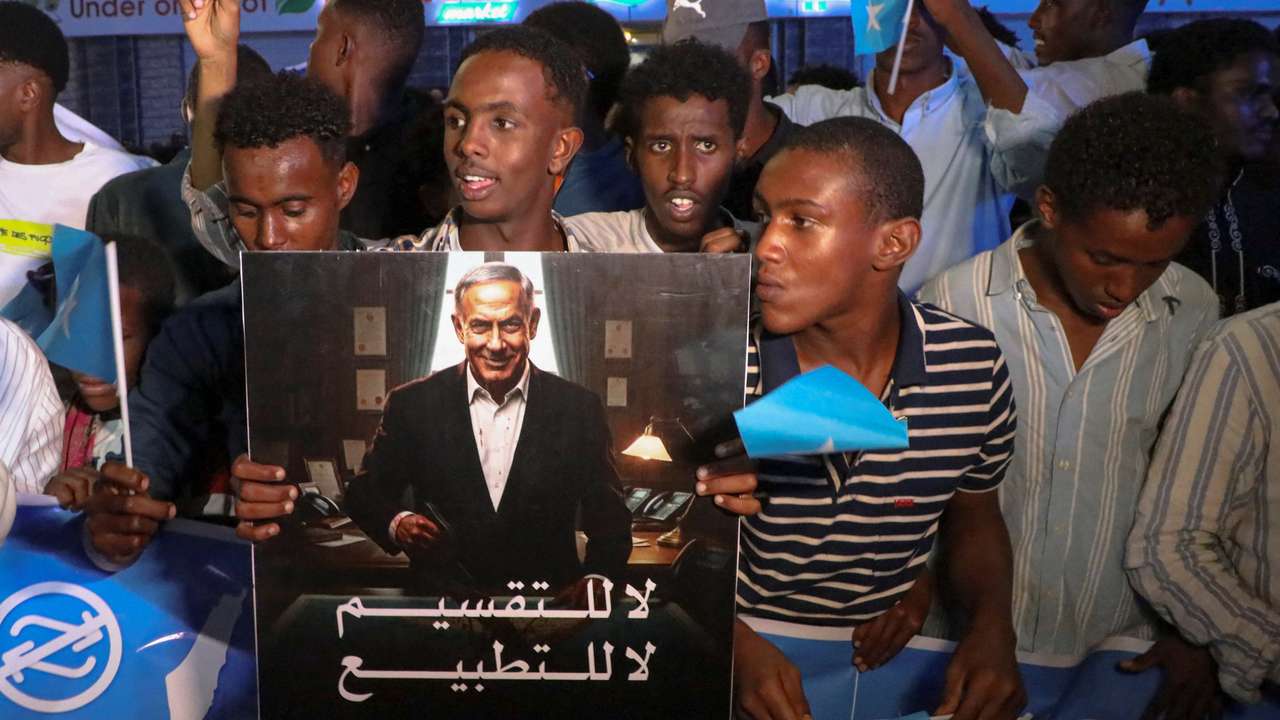
Israel’s foreign minister, Gideon Saar, arrived in Somaliland on Tuesday following Israel’s recognition of the breakaway region, prompting strong condemnation from Somalia. Saar described the recognition as “the moral thing to do”, while Somaliland President Abdirahman Abdullahi Mohamed said it would open economic and development opportunities. Somalia’s foreign ministry called the visit an “illegal and unauthorised incursion” and said it reserves the right to take diplomatic and legal measures to protect its sovereignty. The African Union Peace and Security Council, the Arab League and several regional blocs condemned Israel’s move, warning it could destabilise the Horn of Africa. Islamist group Al-Shabaab said it would oppose any Israeli presence in Somaliland.
Ethiopia reaffirms commitment to Somalia’s sovereignty
Ethiopia’s government has reiterated its commitment to respecting Somalia’s sovereignty and territorial integrity, saying its position is guided by international law and principles of good neighbourliness. In a statement on Ethiopia–Somalia relations, Addis Ababa said the two countries share deep historical, cultural and social ties that require cooperation to maintain peace and stability in the Horn of Africa. Ethiopia rejected claims that its engagements with other parties undermine Somalia and called for dialogue and diplomacy to resolve misunderstandings. The government said it remains ready to work with Somalia on security, trade, economic development and regional integration, stressing that a stable Somalia is in the best interest of the region and the continent.
This story is written and edited by the Global South World team, you can contact us here.