Somalia-UAE tensions explained: The airspace ban and what triggered it
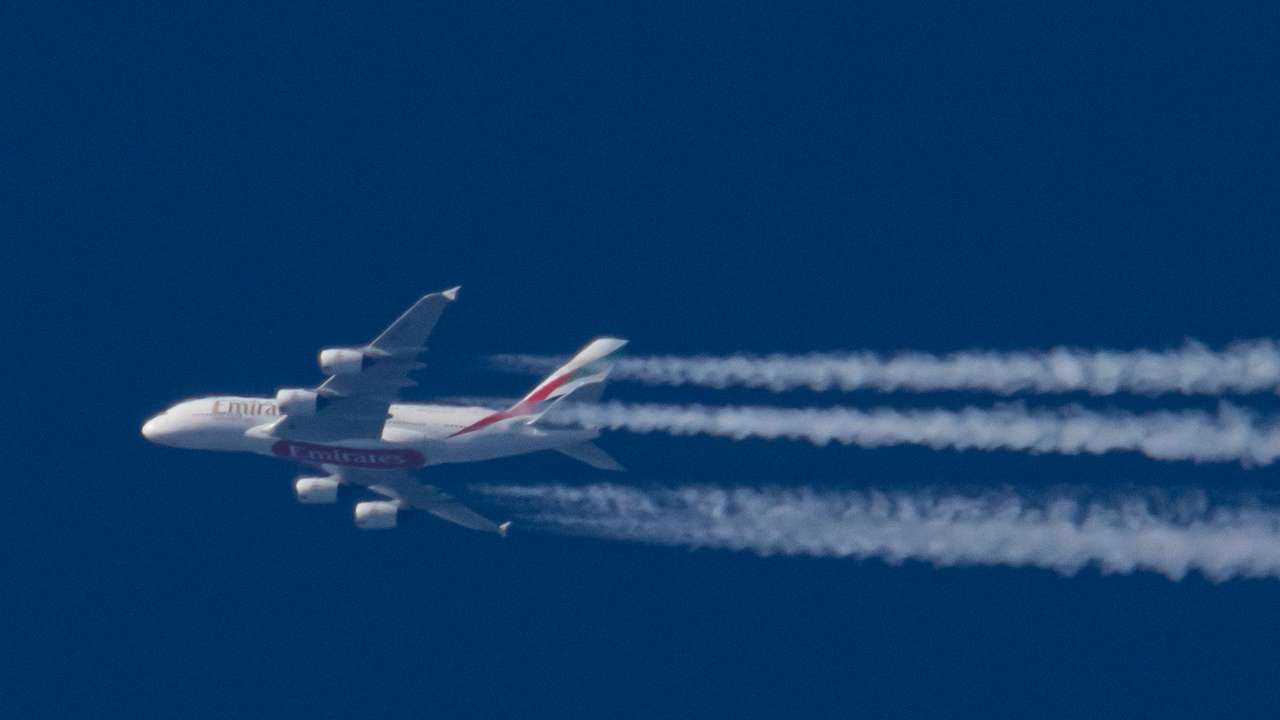
Somalia has banned military and cargo aircraft operated by the United Arab Emirates from using its airspace.
The decision follows intelligence reports that a UAE military aircraft entered Somali airspace without prior authorisation. Somalia says it has opened a formal investigation and has officially notified the UAE of the restriction. Civilian commercial flights are not affected.
Somalia’s Immigration and Citizenship Agency stated that the alleged flight violated national sovereignty and aviation law, emphasising that foreign aircraft must obtain explicit legal clearance before operating over Somali territory. The agency warned that unilateral actions involving Somalia’s airspace would not be tolerated.
The dispute appears closely linked to tensions within the Saudi-led coalition fighting in Yemen. Saudi Arabia has accused the UAE of helping Aidarus al-Zubaidi, leader of Yemen’s Southern Transitional Council (STC), travel without approval, allegedly via Somaliland and Somalia, before flying on to Abu Dhabi. Somalia has not named al-Zubaidi publicly, but the timing and details of its investigation align with the Saudi claims.
Saudi Arabia supports Yemen’s internationally recognised government, while the UAE backs the STC, which seeks autonomy for southern Yemen.
Somalia remains particularly sensitive to foreign activity involving Somaliland, the self-declared region that broke away in 1991 but lacks international recognition. Mogadishu fears such actions could undermine its territorial integrity and set precedents for external interference.
This story is written and edited by the Global South World team, you can contact us here.