South Korea’s Hanwha, US defense startup Vatn to build underwater drones
By David Jeans
South Korean shipping giant Hanwha Group has teamed up with U.S. defense startup Vatn Systems to develop autonomous underwater drones for the U.S. Navy, the companies said, marking the latest bilateral effort to counter China’s expanding naval presence.
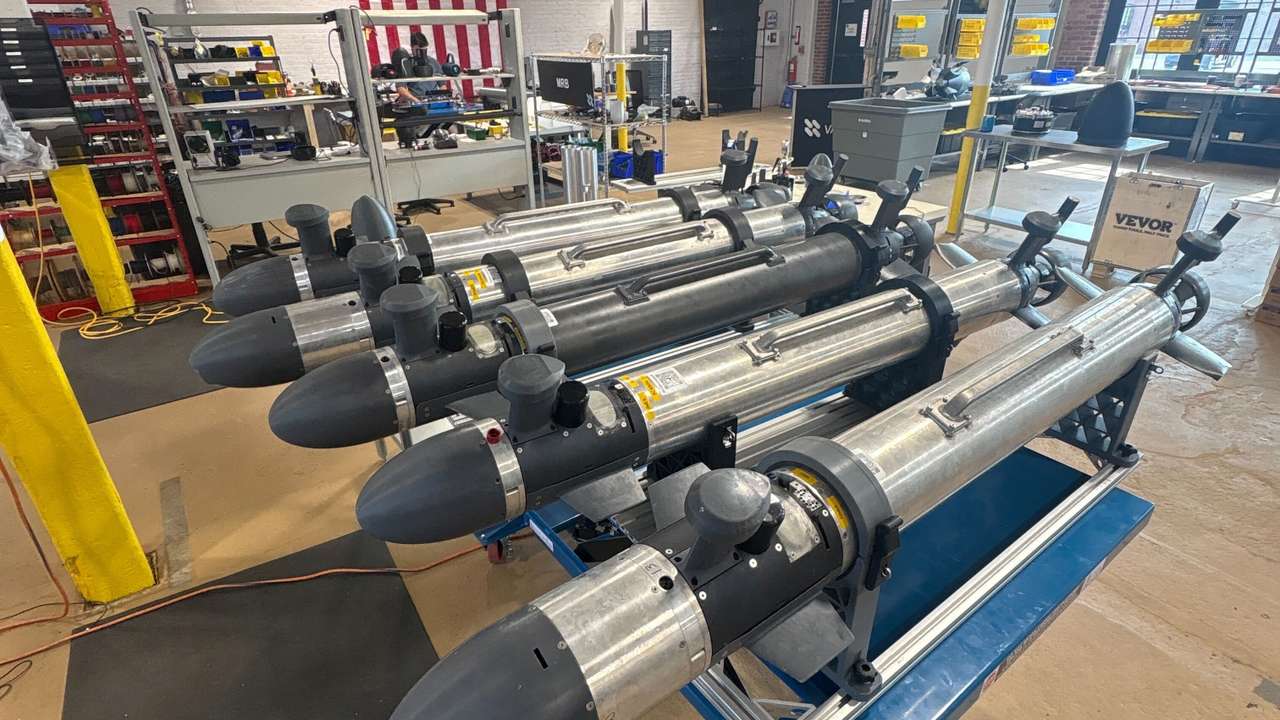
Hanwha participated in a $60 million funding round in October for Vatn Systems, a Rhode Island-based defense firm developing an autonomous torpedo-shaped drone priced at about $75,000, designed for surveillance missions or as a strike weapon. Vatn and Hanwha confirmed details of the funding round, which has not previously been reported.
Hanwha’s push into U.S. defense tech comes as Pentagon leaders and the White House are scrambling to rapidly grow the U.S. Navy’s capabilities, including fielding autonomous surface and underwater vessels that could help defend against a Chinese invasion of Taiwan.
“It's going to mean unmanned aerial, unmanned surface, and unmanned underwater vehicles to win that fight,” Michael Coulter, CEO of Hanwha Defense USA, told Reuters. “We believe this partnership makes a lot of sense providing that solution to the Navy.”
Founded in 2023, Vatn secured $20 million in contracts this year, mostly with the Pentagon, the company's CEO Nelson Mills told Reuters.
“If we control undersea and control the surface,” Mills said, “you control the lanes of commerce, you control the movement of ships, and you control the movements of troops.”
Ukraine’s success with kamikaze unmanned speedboats against Russia’s Black Sea fleet has fueled demand for autonomous surface and underwater vessels. But the industry remains nascent, and the U.S. Navy has faced setbacks in deploying an autonomous fleet.
Hanwha, which builds submarines as well as surface vessels and offshore naval platforms, has been sanctioned by China following its acquisition of the Philly Shipyard last year. In August, the firm was at the center of South Korean companies' pledge to invest $150 billion into American industry.
This article was produced by Reuters news agency. It has not been edited by Global South World.