South Korea shuts more than 4,000 schools as student numbers fall
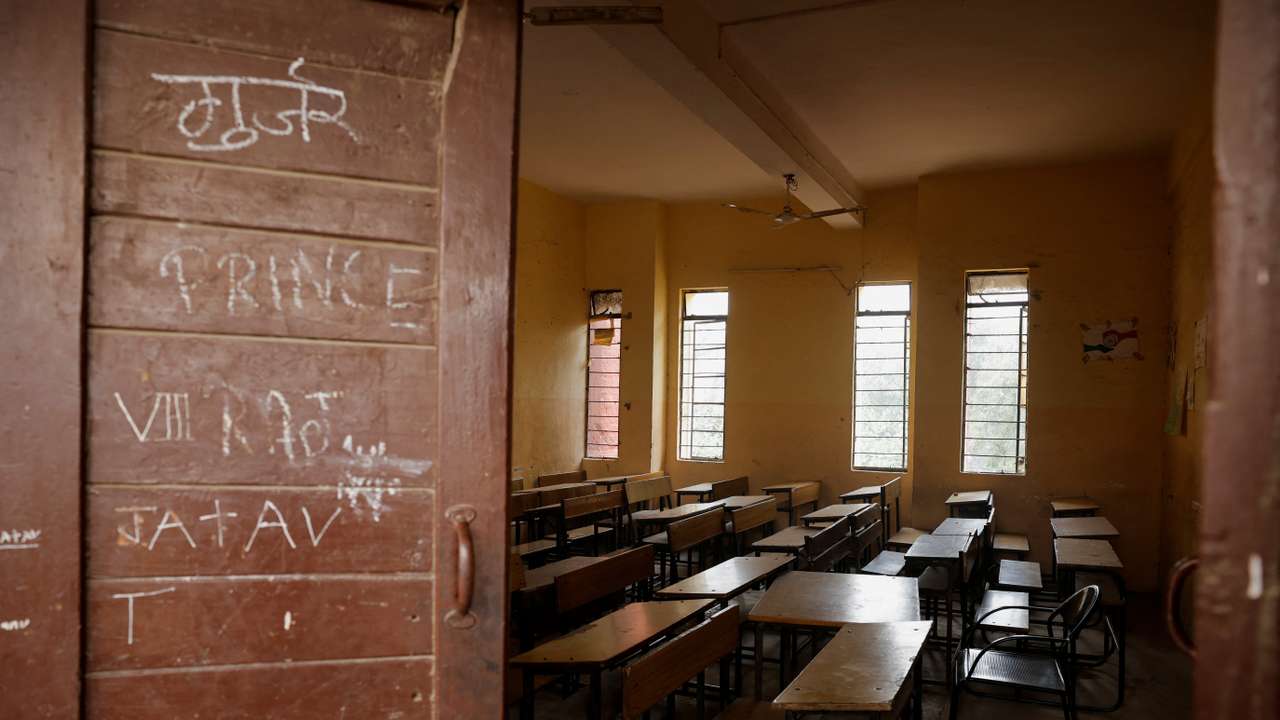
South Korea’s shrinking classrooms are becoming an increasingly visible sign of the country’s demographic crisis, with thousands of schools closing as the number of children continues to fall nationwide.
New figures from the Ministry of Education show that 4,008 elementary, middle and high schools have shut since 1980, reflecting a long-term contraction that has gathered pace in recent years. The data, compiled across all 17 regional education offices, were disclosed on Sunday by ruling Democratic Party lawmaker Jin Sun-mee.
Over the same period, the student population has declined sharply, dropping from 9.9 million in 1980 to just 5.07 million this year. The scale of that fall has forced education authorities to consolidate schools, particularly in areas where enrolment has slipped below sustainable levels.
Primary schools account for the overwhelming majority of closures, with more than 3,600 shutting their doors permanently. By comparison, fewer than 300 middle schools and just 70 high schools have closed.
Jin said the figures point to a growing gap between school closures and follow-up planning.
“As student numbers continue to decline, closures are inevitable,” she said. “But the government must move beyond simply shutting schools and develop a long-term strategy to repurpose them as assets that can still serve local communities.”
The pace of closures has accelerated in recent years. Since 2020 alone, 158 schools have closed, and a further 107 are expected to follow within the next five years as smaller age cohorts move through the system.
South Korea’s record-low birthrate sits at the centre of the problem. With the total fertility rate remaining below 0.8 — the lowest in the world — the country is producing far fewer children than needed to sustain existing school networks, particularly outside the capital region.
North Jeolla and South Jeolla provinces recorded the highest numbers of recent closures, followed by Gyeonggi and South Chungcheong, suggesting that population decline is reshaping regional education faster than urban centres.
Long-term projections indicate that the contraction is far from over. The Korean Educational Development Institute estimates that the number of students will fall to around 4.25 million by 2029, a loss of more than 800,000 pupils in just six years.
At the same time, questions are mounting over what becomes of closed school sites. Of the more than 4,000 schools that have shut, 376 remain unused, with many left idle for over a decade and some abandoned for more than 30 years.
This story is written and edited by the Global South World team, you can contact us here.