South Sudan’s deadliest clash in over a decade kills at least 70
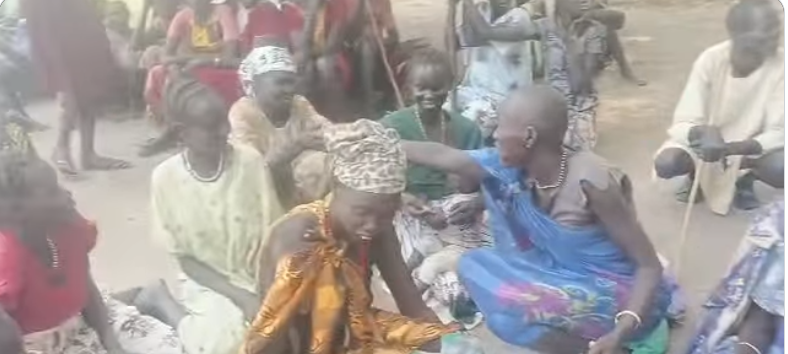
At least 70 people have been killed in South Sudan’s worst confrontation between state forces and opposition-linked fighters in more than a decade, triggering mass displacement and a humanitarian emergency in Jonglei State, local authorities said.
The violence erupted on January 2 when fighters aligned with the Sudan People’s Liberation Army-In Opposition (SPLA-IO), loyal to suspended First Vice President Riek Machar, seized Yuai town in Uror County after a brief but intense battle with the South Sudan People’s Defence Forces (SSPDF).
County officials said the fighting, which lasted just over an hour, left soldiers and civilians dead, flattened parts of the town’s commercial centre and forced residents to flee.
Yuai, already repeatedly damaged during past rounds of conflict, has since been largely abandoned and local administration suspended.
Thousands of civilians have escaped into surrounding swamps or crossed into neighbouring Duk County, where officials say at least 7,000 people have arrived in recent days.
The clashes are the latest in a series of confrontations in Jonglei, one of South Sudan’s most volatile regions, as tensions persist between government forces and Machar’s faction despite a fragile peace deal.
According to the latest situationer from the International Crisis Group, war in Sudan spilled into South Sudan in December after Sudan’s Rapid Support Forces (RSF) briefly seized the Heglig oil fields along the border, an area critical to South Sudan’s oil exports.
The incident heightened instability in border areas that are vital to Juba’s economy, which depends heavily on oil revenue. Control of Heglig ultimately ensured the continuation of crude exports despite the violence.
Additional violence involved local armed groups. The SSPDF clashed with the “Red Belt” vigilante group in Bor, and a former senior general announced the formation of a new rebel movement, raising concerns over further fragmentation.
Despite the unrest, the government pledged to hold elections by December 2026, a plan rejected by Machar’s main faction amid delays in key preparations.
This story is written and edited by the Global South World team, you can contact us here.