Thailand turns to bugs as the future of food, alternative to meat
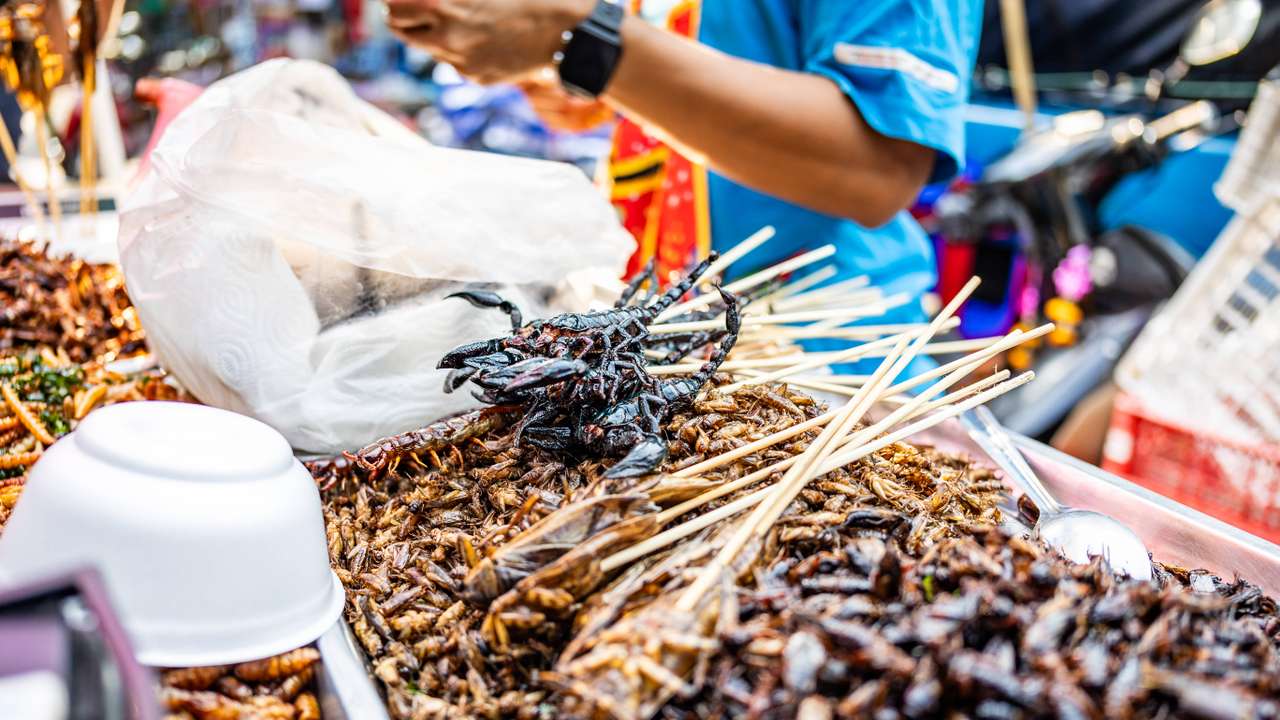
Thailand is preparing to grow its edible insect industry as demand rises worldwide for greener alternatives to meat.
Experts expect the global insect protein market to grow by over 25 per cent a year between 2025 and 2030, driven by concerns over climate change and food security.
The country is already the sixth-largest exporter of edible insects and aims to become a leader in the sector.
Insects such as crickets and black soldier flies are being farmed for use in protein powders, energy bars, and animal feed.
Insect farming is said to take up less space, uses less water, and produces far fewer emissions than raising cattle or pigs.
Farmers in Thailand are showing a growing interest in the trade, with small cricket farms requiring relatively low investment.
While selling fresh insects can offer modest profits, processing them into insect flour could bring much higher returns. Insect farms also use land more efficiently than traditional livestock operations.
The move comes as rising global temperatures make traditional meat production harder.
While climate change threatens to reduce yields from cows, pigs and chickens, many insect species can grow faster in warmer weather.
This could give tropical countries like Thailand a key advantage in the years ahead.
Thailand currently exports edible insects worth about US$586,000 a year, mostly to the United States. However, producers and officials see big opportunities to expand exports to Europe and East Asia, where demand is growing.