These African countries are the largest producers of frankincense and myrrh
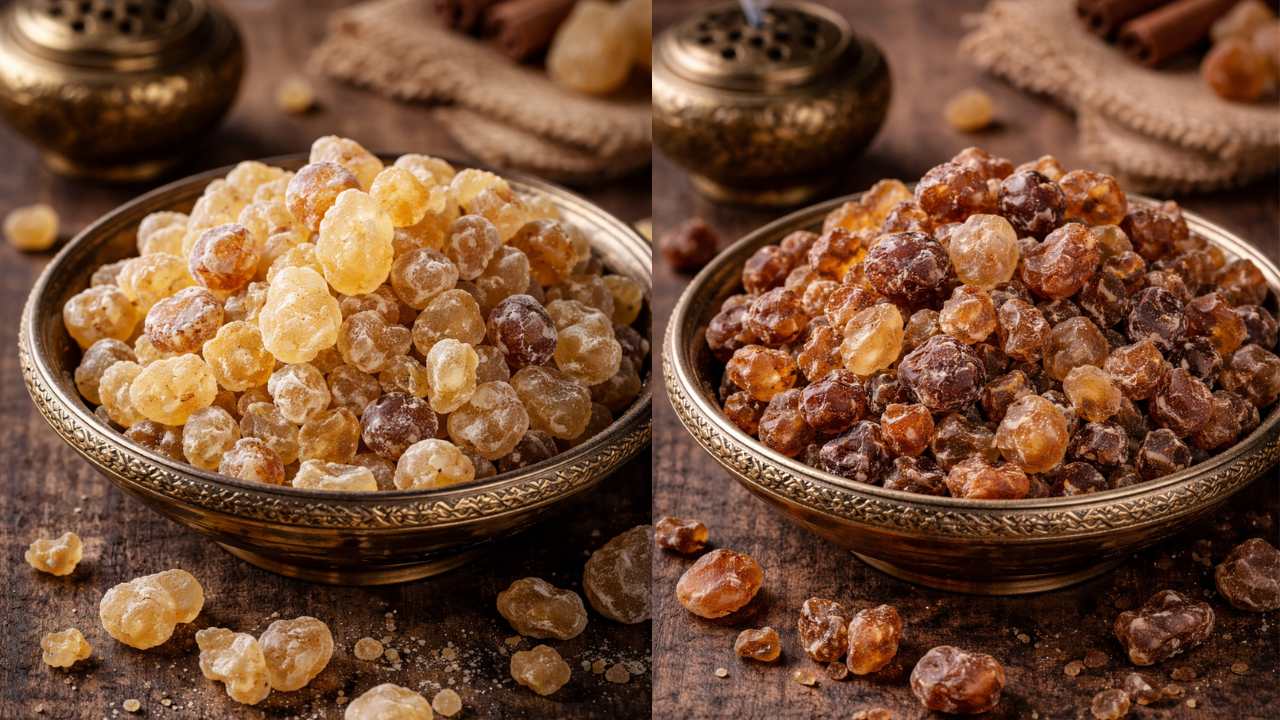
At Christmas, millions of Christians around the world revisit the biblical story of Jesus Christ's birth. Central to that story is the visit of the Wise Men, who brought three symbolic gifts: gold, frankincense, and myrrh.
While gold is universally recognised, frankincense and myrrh are often mentioned without a clear understanding of their real-world origins.
However, what many people do not realise is that Africa has been the historic and modern heartland of frankincense and myrrh production.
The biggest producers of these gems in Africa
Somalia
Somalia is the world’s largest producer of frankincense and is internationally known for high-quality varieties such as Boswellia sacra and Boswellia frereana. Harvested mainly in Puntland and Somaliland, Somali frankincense is still used in church incense, perfumery, and wellness products, especially during the Christmas season. According to Horn Frank, Somalia's frankincense market value is estimated at $504.5 million.
Ethiopia
Ethiopia is a major producer of both frankincense and myrrh. For centuries, Ethiopian Orthodox churches have burned frankincense during Christmas liturgies, making the resin both a cultural and spiritual staple. Much of the frankincense used in global religious ceremonies originates from Ethiopian dryland forests. Unfortunately, the West's desire for wellness is reported to be impacting Ethiopia's production negatively.
Until roughly two decades ago, frankincense was largely a niche product with demand concentrated in religious institutions. “The demand for frankincense was mostly from churches,” says Frans Bongers, professor of forest ecology and management at Wageningen University in the Netherlands.
That dynamic has shifted dramatically. Today, the ancient resin has entered global commercial markets, driven by growing interest in its purported health benefits and its adoption by the wellness industry, an industry valued at approximately $5.6 trillion annually.
As demand accelerates, supply chains are also changing. “Now big companies are buying up everything they can,” Bongers says. “Anything you can produce, there is a market.”
Kenya
Northern Kenya produces large quantities of myrrh from Commiphora species. Myrrh remains important not only in Christian tradition but also in African traditional medicine and modern cosmetics, with demand rising during festive and religious seasons. For generations, it has played a central role in traditional medicine, where it has been applied to support wound healing, relieve oral sores, ease pain from injuries and broken bones.
Frankincense and myrrh are not relics of the past. They are living products, still harvested by hand, still sustaining rural African livelihoods, and still carrying spiritual meaning thousands of years after the first Christmas.
It is worth remembering that two of the most sacred symbols of Christmas come from Africa’s soil as the world celebrates.
This story is written and edited by the Global South World team, you can contact us here.