This South African politician has advice for Africans denied a US visa
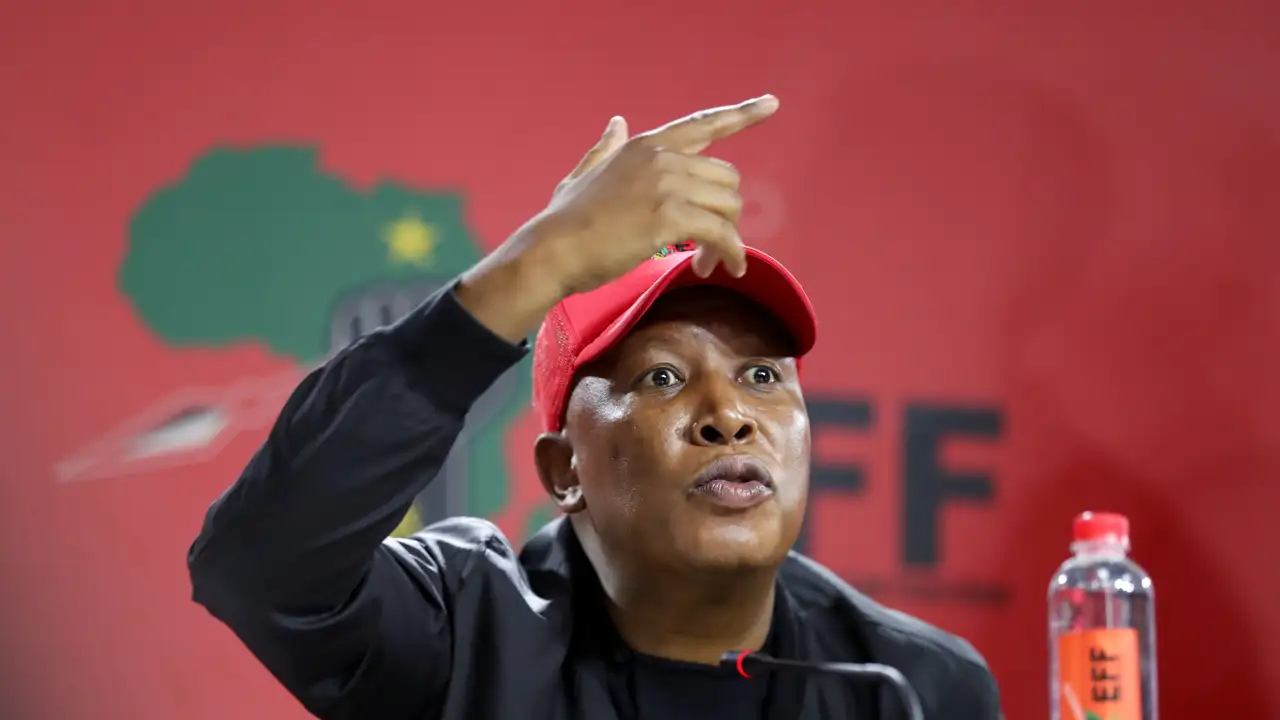
A South African lawmaker has weighed in on what Africans should do if their US visa applications are rejected — a common experience across much of the Global South, particularly under the administration of President Donald Trump.
Julius Malema, a member of South Africa’s National Assembly, said visa refusals should prompt Africans to look closer to home when choosing where to travel.
“Even if America decides that I should no longer enter America, it’s okay. I will enter Zimbabwe, Botswana, Nigeria — I will enter Africa, my home,” Malema said at a press conference organised by the Economic Freedom Fighters, a party he leads.
Malema also poked fun at American food, saying a trip to the US would only leave him eating “burgers” and getting “fat,” while travelling within Africa offered richer experiences.
He singled out Nigeria’s jollof rice — a West African dish made with rice cooked in tomatoes, peppers and onions — as a better alternative.
“So why must I fight for burgers instead of jollof?” he said. “When you’re in Nigeria, you must taste yourself.”
Hefty visa bonds
The topic Malema was speaking about became more apparent recently when the United States expanded its visa bond policy to 38 additional countries, many of which are in Africa.
Under the policy, applicants for standard B1/B2 business or tourist visas from designated countries may be required to post a refundable bond of US$5,000, US$10,000 or US$15,000, set at the discretion of consular officers during interviews.
The newly added countries include Algeria, Angola, Bangladesh, Benin, Burundi, Cape Verde, Cuba, Djibouti, Dominica, Fiji, Gabon, Ivory Coast, Kyrgyzstan, Nepal, Nigeria, Senegal, Tajikistan, Togo, Uganda, Vanuatu, Venezuela and Zimbabwe. They join earlier additions such as Botswana, Tanzania, Zambia and others.
The bond does not guarantee visa approval and is returned if an application is denied or if a successful applicant complies with the terms of their stay. US officials say the measure is intended to deter visa overstays and reinforce compliance with immigration rules.
Critics, however, argue that the sums involved create prohibitive financial barriers, effectively pricing out many travellers, entrepreneurs and families from poorer economies. A US$15,000 bond far exceeds average annual incomes in several affected countries, raising concerns that travel to the United States will become inaccessible for many.
The measure forms part of a broader tightening of US visa rules, alongside mandatory in-person interviews and increased scrutiny of applicants’ travel histories and social media activity.
This story is written and edited by the Global South World team, you can contact us here.