Twin births soar in South Korea, raising alarms over maternal and infant health
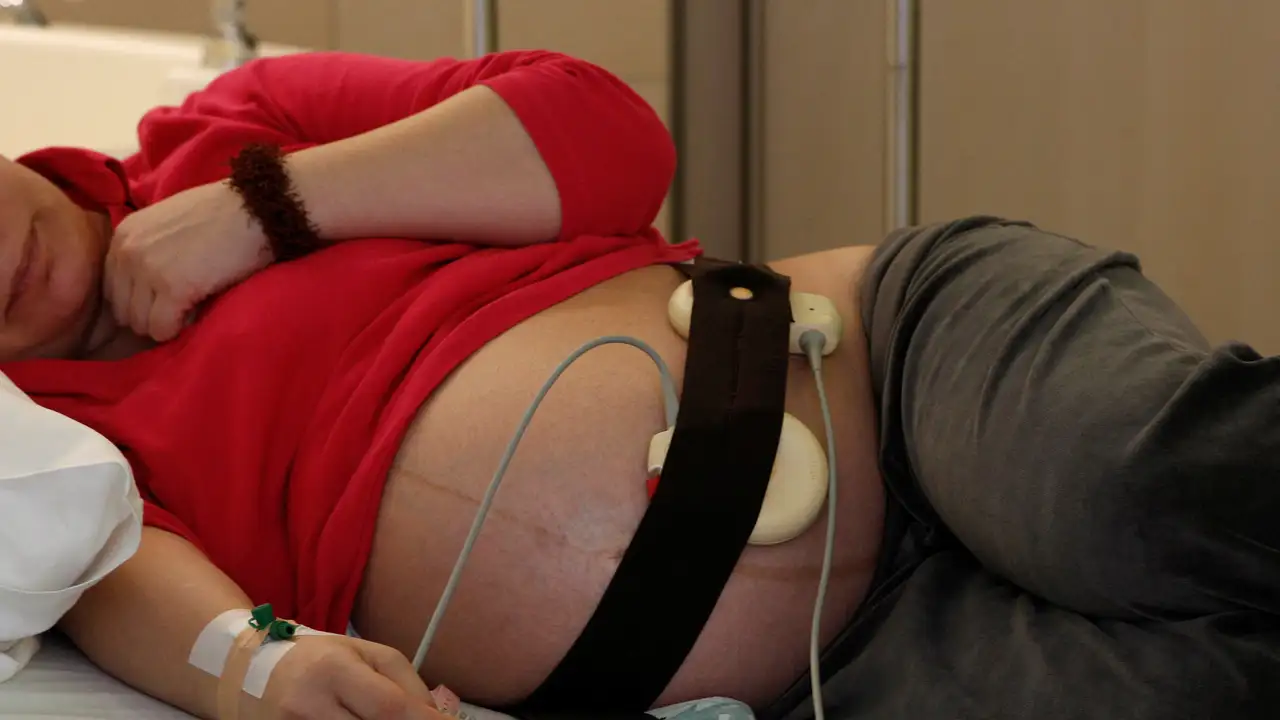
South Korea is facing a sharp rise in twin and higher-order multiple births, prompting renewed calls for the government to reconsider fertility and reproductive health policies to better protect mothers and infants.
According to research by the Korea Institute for Health and Social Affairs, South Korea recorded one of the highest multiple-birth rates in the world in 2023. At 26.9 multiple births per 1,000 deliveries, the country ranked second only to Greece, and far above the international average recorded in the human multiple births database.
Particularly striking was the rate of higher-order multiple births involving three or more babies. South Korea recorded 0.67 such births per 1,000 deliveries, the highest among all countries in the database and roughly three times the global norm, underscoring the scale of the phenomenon.
While multiple births have increased internationally since the 1980s, the report found that South Korea’s rise has been steeper and more persistent. Researchers linked this trend largely to delayed childbearing.
The average age of women giving birth rose from 32.2 in 2015 to 33.7 in 2024, while mothers of multiples were older still, averaging 35.3 years. The growing use of assisted reproductive technologies has also played a role, as more couples seek fertility treatment later in life.
Medical experts have long classified multifetal pregnancies as high-risk. Compared with single pregnancies, they are associated with higher rates of complications such as preeclampsia and gestational diabetes for mothers, as well as low birth weight and premature delivery for infants.
South Korea’s government has rolled out a range of policies to counter the country’s record-low fertility rate, which fell to 0.72 in 2023 before edging up to around 0.75. However, the study found that most measures focus on financial and medical support after birth, rather than preventing high-risk pregnancies in the first place.
Current guidelines for medically assisted reproduction still allow for the transfer of multiple embryos, a practice that increases the likelihood of twins or triplets. By contrast, countries including the United Kingdom, Australia and Japan have sharply reduced multiple-birth rates by recommending single embryo transfers and by actively informing patients of the associated risks.
The report also pointed to a distinctive social factor in South Korea, describing a growing tendency towards what it termed “convenience-oriented childbirth,” where couples aim to have two children through a single pregnancy in response to economic pressures and time constraints.
Researchers warned that South Korea’s exceptionally high multiple-birth rate is unlikely to fall without policy change. They urged the government to treat the issue as an extension of childcare and maternal health policy, calling for measures that prioritise health before and during pregnancy, alongside reforms designed to reduce the incidence of multifetal births.
This story is written and edited by the Global South World team, you can contact us here.