Uganda taps Nigeria as new dairy market in billion-dollar deal after Kenya's milk ban
Uganda is set to export 200,000 tonnes of dairy products to Nigeria by the end of November, in a deal valued at over $1.02 billion at factory prices.
The development follows renewed trade restrictions by Kenya, which had previously been Uganda’s primary dairy export market.
Kenya initially imposed restrictions on Ugandan dairy products in 2023 to protect local farmers. Though these measures were later relaxed under regional trade rules, the Kenyan government reintroduced a ban on powdered milk last month. Officials cited unfair competition and the need to protect the domestic supply as justification for the renewed ban.
In response, Uganda has turned to Nigeria to diversify its export markets. The Monitor reports that the shipment to Nigeria, facilitated with the support of former Nigerian President Olusegun Obasanjo, positions Nigeria as Uganda’s second-largest dairy export destination after Algeria, which currently imports about 20,000 tonnes annually.
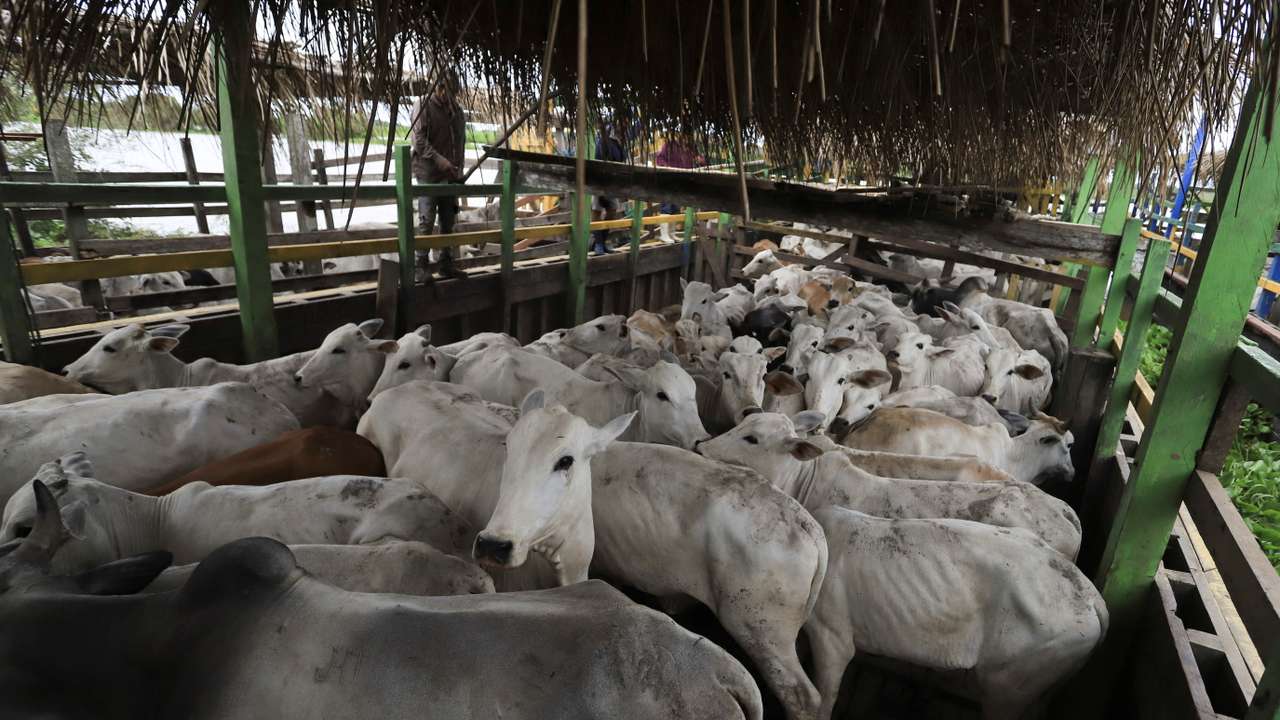
Despite having one of Africa’s largest cattle populations—over 20 million head of cattle, Nigeria produces limited quantities of milk and depends on imports for around 60% of its dairy needs.
The country is now working to increase local milk output, including importing dairy cattle from Denmark, as part of a strategy to reduce dairy imports that cost the country $1.5 billion annually.
“Our goal is ambitious but achievable; to double Nigeria's milk production from 700,000 tonnes to 1.4 million tonnes annually in the next five years," said Livestock Minister Idi Maiha in June.
Before the imposition of trade barriers, Kenya was Uganda's largest milk buyer. However, a 10% import levy on dairy products reduced the competitiveness of Ugandan goods. Uganda contested the tax under the East African Community (EAC) Common Market Protocol, which supports the free movement of goods within the region.
While Egypt leads Africa’s dairy production with an estimated 5.7 billion kilograms of annual production in 2025, East Africa remains the continent’s dairy hub. In 2023, East Africa contributed 48% of Africa’s total milk production, amounting to 25.4 million tonnes. The region also recorded a 26% growth in production between 2013 and 2023. Key producers include Kenya, Ethiopia, Sudan, Tanzania, and South Sudan, with Uganda becoming a notable exporter of milk powder.
Uganda’s dairy industry continues to grow, with an expected annual production of 5.3 billion litres in 2025. The Dairy Development Authority (DDA), established in 1998, plays a central role in regulating and promoting the industry. It has implemented policies to improve milk quality, boost production, and increase market access.
This story is written and edited by the Global South World team, you can contact us here.
