What a Mamdani-run New York means for the Global South
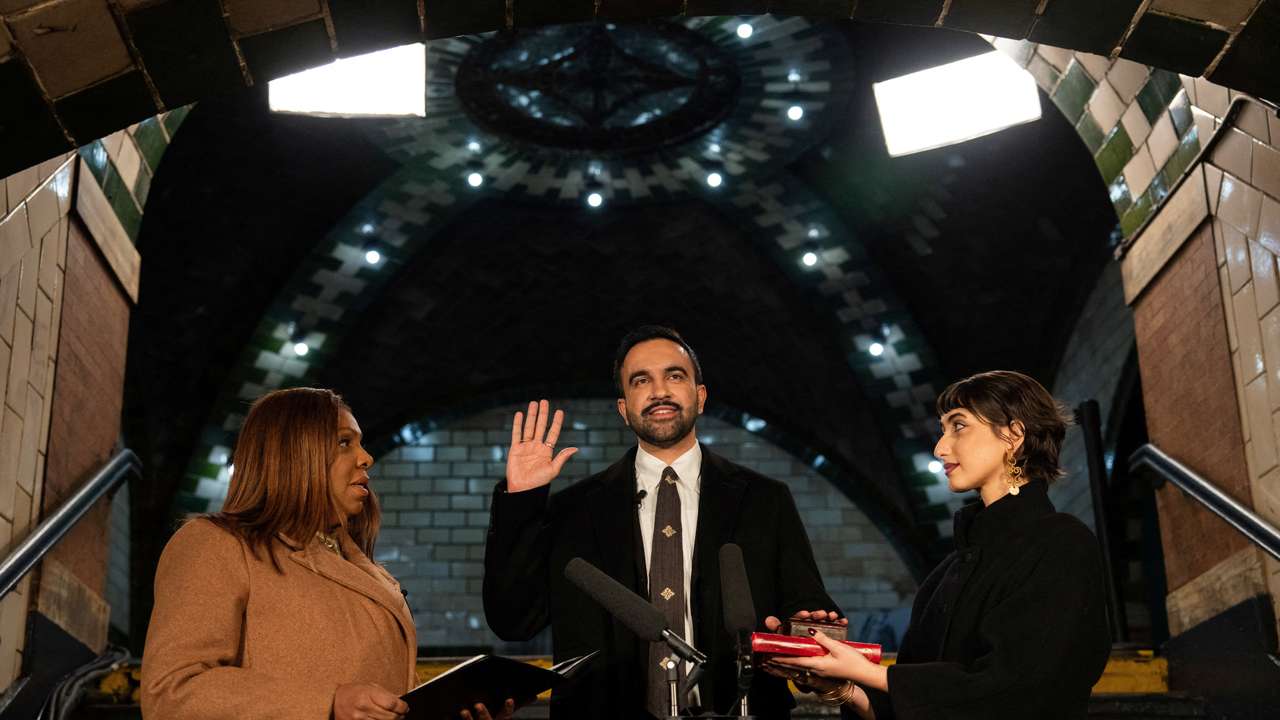
He was born in Uganda and retains his citizenship there. His parents are Indian, making him of South Asian descent. He is practising Muslim, an identity made visible when he placed his hand above the Quran as he was sworn into office on New Year’s Day.
Zohran Kwame Mamdani is anything but a conventional fit for high political office in the United States, let alone in one of its most important cities, New York. Rooted personally and culturally in the Global South, his rise to power in the world’s most influential country has been nothing short of “improbable, incredible and unstoppable,” in the words of the New York Times.
Before launching a campaign that would go on to capture the imagination of many New Yorkers, Mamdani was a little-known state assemblyman. For many voters, 2025 was the first time they had even heard of his name.
Yet the core message of his campaign — affordability — resonated in one of the most expensive cities in the world and its de facto financial capital. On November 4, Mamdani won 50.74 percent of the vote, enough to defy expectations and overcome attacks that often went for his African, Asian and Muslim identity.
But what does a Mamdani-run New York mean for the Global South, if anything at all?
Representation and access
Mamdani is among a small number of senior elected officials in the United States whose personal background is rooted in the developing world. For officials and observers in Africa, Asia and the Middle East, that has drawn attention, even as expectations remain limited.
To be clear, his election does not alter Washington’s stance on trade, security or development assistance. New York’s mayor does not set US foreign policy. But it does place a Global South-born leader at the helm of a city where embassies, consulates and multilateral missions are densely concentrated, and where access to local political leadership often shapes day-to-day diplomatic and economic engagement.
Global South leader for Global South communities
More than one in three New York residents were born outside the United States, according to census data, with large communities originating from Latin America, South Asia, Africa and the Caribbean. The city’s economy depends heavily on migrant labour and transnational business networks, while remittances sent from New York sustain households across the developing world.
In that context, Mamdani’s background is not merely symbolic. It intersects directly with the lived realities of a significant share of the city’s population, many of whom navigate the same pressures of cost, precarity and access that shape urban politics across the Global South.
Policy and stance
Affordability sat at the centre of Mamdani’s campaign, reflecting mounting pressure from housing costs, transport fares and basic living expenses. In key respects, the challenges facing New York increasingly mirror those long familiar to major cities in the Global South — rapid growth, entrenched inequality and infrastructure stretched beyond capacity.
Mamdani has also signalled an awareness of struggles that resonate across the Global South. He has been outspoken on the war in Gaza, a stance that has drawn criticism — particularly over his past refusal to condemn the phrase “globalise the intifada”. He later said he would discourage the term’s use.
Migration has been another central theme. In his victory speech, Mamdani declared: “New York will remain a city of immigrants — a city built by immigrants, powered by immigrants and, as of tonight, led by an immigrant.”
He later underscored that position during a meeting with US President Donald Trump, a leading proponent of hardline immigration policies, where the newly elected mayor sought to press New York’s case directly at the White House.
A model
For many in the Global South, Mamdani’s rise carries a quieter implication. Sure, his story is not a conventional rags-to-riches narrative. He was born into privilege, the son of an Oscar-nominated filmmaker and a Columbia University professor.
Yet his ascent to power, despite persistent scrutiny of his Global South roots, suggests that individuals born outside the traditional centres of power can still reach the highest levels of political authority in the Global North.
Whether his tenure ultimately succeeds or falters, his election alone stands as evidence that pathways into Western power structures, while narrow, are not entirely closed.
This story is written and edited by the Global South World team, you can contact us here.