What are ‘zero-kilometre’ used cars and why did China just ban them?
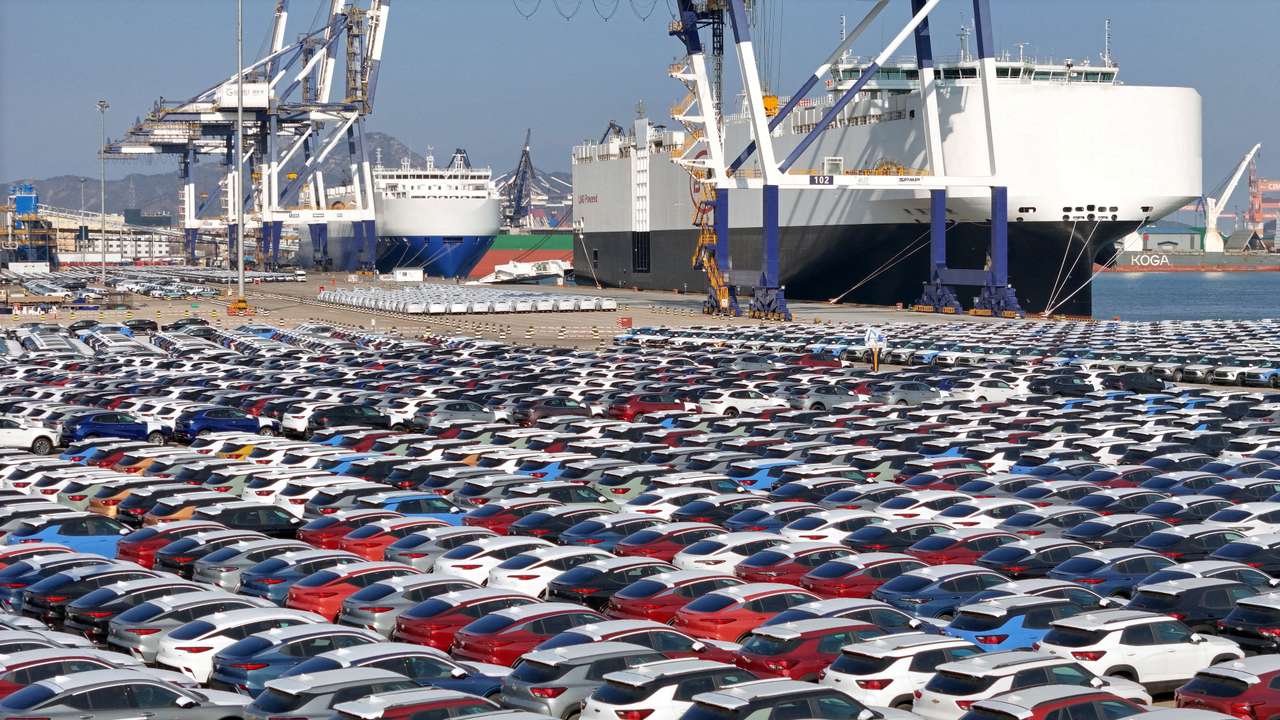
China has moved to close a loophole that allowed exporters to ship virtually new vehicles overseas as “used cars”, in a move officials say is necessary to protect the country’s auto reputation and stabilise its growing second-hand export industry.
A new directive from the Ministry of Commerce and three other agencies introduces stricter controls on so-called “zero-kilometre” used cars, vehicles that have been officially registered but have barely been driven.
What are ‘zero-kilometre’ used cars?
These cars are in effect brand new, however, they typically have extremely low mileage but are registered as second-hand. The practice has grown following intense competition in China’s car market, where some manufacturers and dealers register unsold vehicles to meet sales targets or quickly clear inventory.
Others exploit preferential export rules for used cars, selling them abroad at lower prices.
Car News China reports that there are usually some hidden risks attached to such vehicles, including uncertain ownership history of the vehicles, unpaid loans, diminished or no warranties, among others.
Why is China cracking down?
Authorities have said the practice brings several inherent risks. First, it threatens the global reputation of Chinese carmakers. Many of these cars are shipped abroad without any after-sales service support, leaving overseas buyers unable to secure repairs or spare parts and damaging trust in Chinese brands.
Second, it distorts markets overseas, where exporters selling these vehicles as new undercut authorised dealers and disrupt local pricing. Officials also argue that the loophole encourages a race to the bottom, prioritising rapid, low-quality exports rather than developing a sustainable and well-regulated second-hand export industry.
What does the new policy require?
The updated rules introduce multiple safeguards, which include the fact that exporters must now wait at least 180 days after a car is registered before it can be exported. They must also provide proof that the vehicle will have access to after-sales services in its destination country. Regulators will introduce a monitoring and exit mechanism to remove non-compliant exporters, while also supporting companies to build stronger overseas service networks.
This story is written and edited by the Global South World team, you can contact us here.